Guide to Sony Alpha Full-frame Mirrorless Cameras
Published October 5, 2026 by MPB
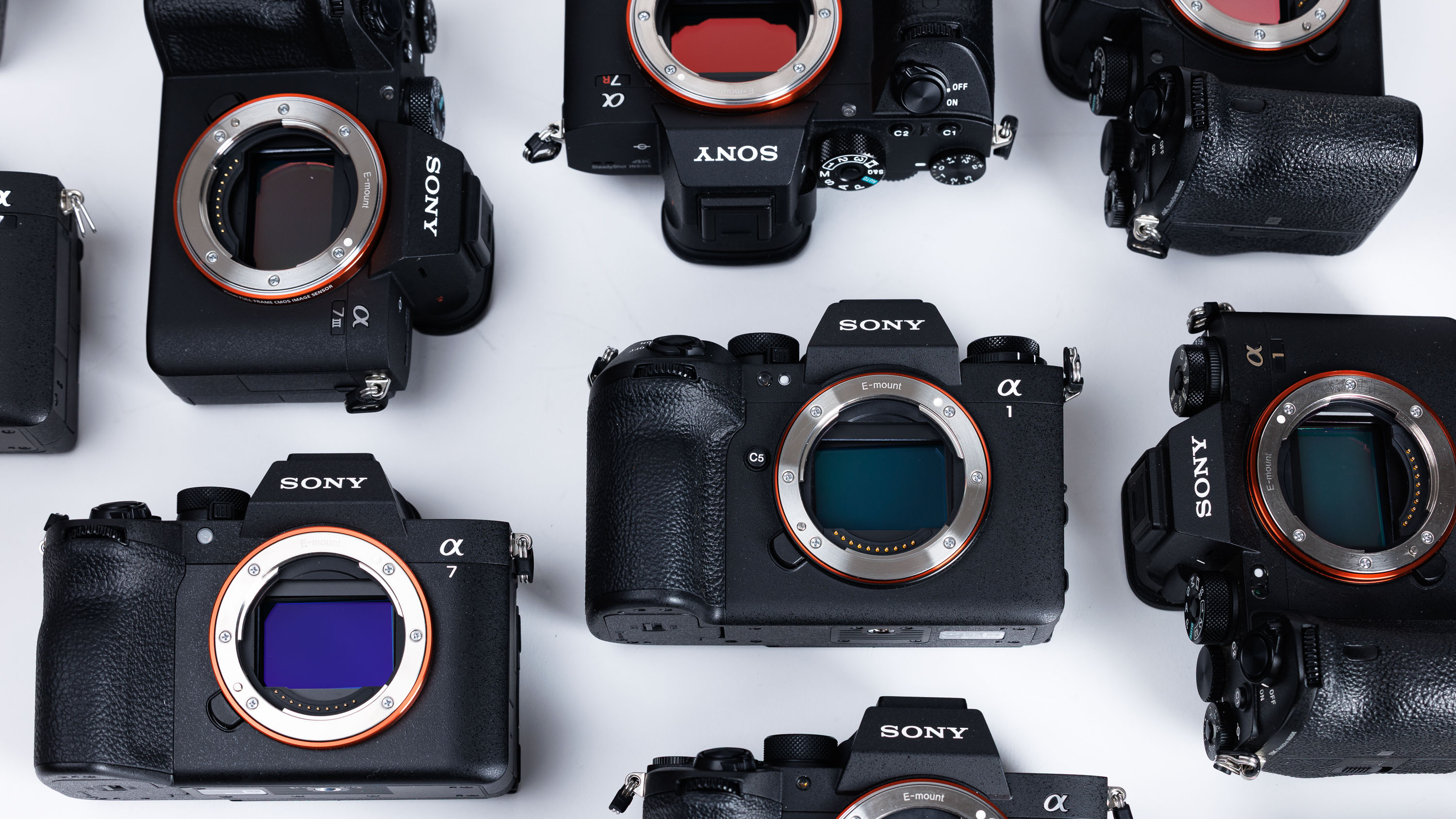
Sony's full-frame mirrorless cameras have something for every type of photographer and video shooter. Choosing the right one can feel a little intimidating, so we're going to break down the Alpha series to help you find the best fit.
What are Sony full-frame cameras?
A full-frame camera uses a sensor that's the same size as 35mm film, with improved low-light performance, greater dynamic range and a shallower depth of field compared to APS-C cameras. Because Sony's full-frame cameras are mirrorless, they're generally lighter and more compact than traditional DSLRs.
One of the best things about Sony's full-frame mirrorless cameras is the huge choice of Sony FE lenses. You can pick up a Sony lens or opt for one from a third-party brand like Sigma, Tamron or Samyang and it'll work across the whole full-frame Alpha range. That means if you decide to upgrade to another Sony full-frame camera in a few years, your lenses can come with you.
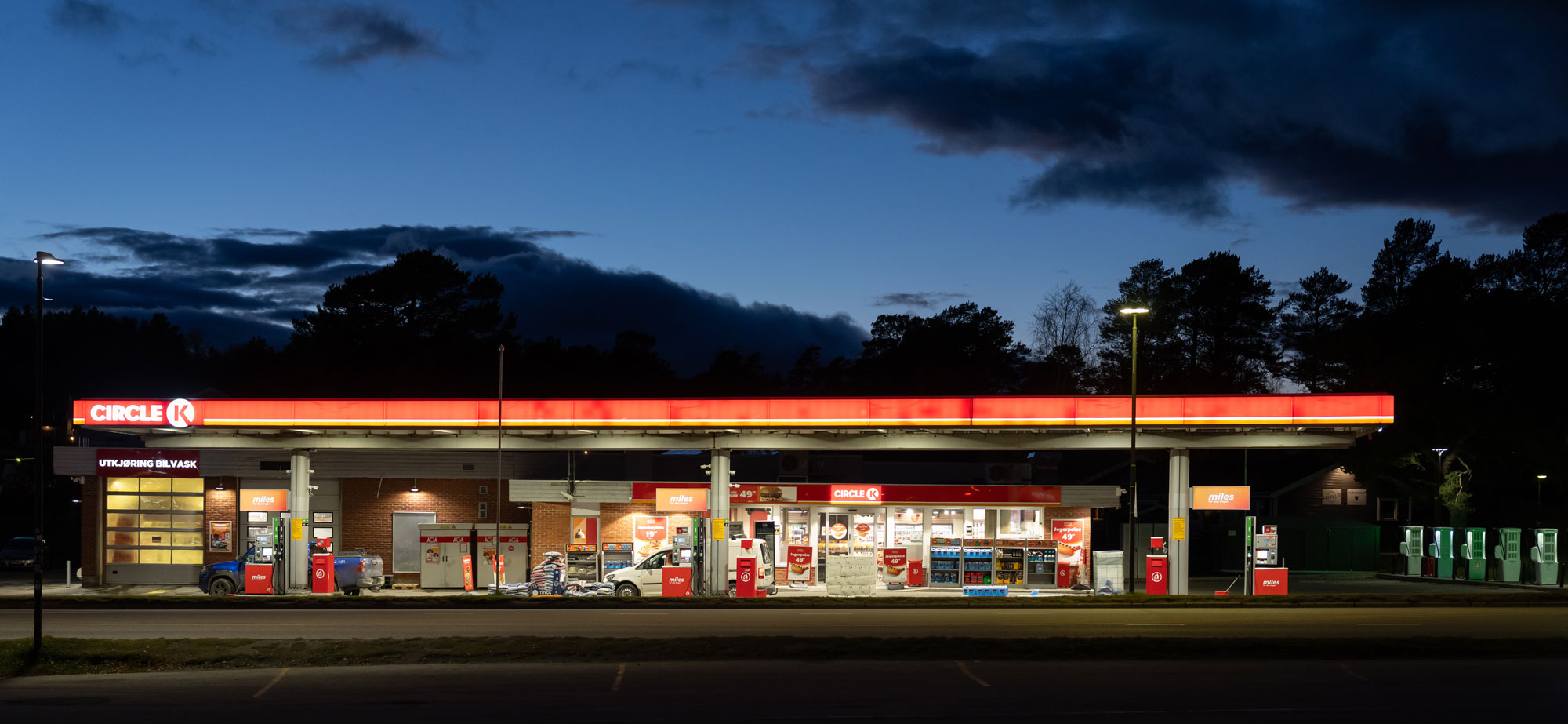
Amy Moore | Sony A1 | Sony FE 24-70mm f/2.8 GM II | 43mm | f/2.8 | 1/60 sec | ISO 1600
About this guide
Choosing between 22 Sony full-frame cameras isn't easy. In this guide, MPB camera expert Amy Moore shares her experience of shooting with Sony cameras for more than a decade, including taking over 15,000 images on the Sony A7 III alone.
Amy looks at every Sony full-frame camera released to date, with additional insight from MPB Videographer Jakub Golis, whose experience spans Canon DSLRs, Sony Alpha cameras, Sony cinema cameras and RED systems. The guide was edited by Laura Milner.
Understanding Sony's full-frame lineup
Sony's full-frame camera range started small, with the original Sony A7 in 2013, then expanded into specialized lines for different types of photographers. I've organized Sony's full-frame cameras by series, making it easier to compare similar models and find the right one for whatever you need it for. Not sure where to start? Here's the short version.
Series | Best for | Key strengths | ||||
|---|---|---|---|---|---|---|
A1 | Professionals | Speed, resolution, video | ||||
A7C | Travel | Compact full-frame | ||||
A9 | Sports and wildlife | Speed and autofocus | ||||
A7S | Video and low-light | Video-first performance | ||||
A7R | Landscape and studio | High resolution | ||||
A7 | Everyday photography | Balanced all-rounder |
A1 series (2021–)
If you want the very best from Sony, the A1 series is where you'll find it. These flagship cameras are all about speed, resolution and video.
https://youtu.be/YLS349MZn_Q?rel=0Since the original Sony A1's launch, the series has continued to blossom. Sure, there are only two cameras in the lineup, but one is faster and smarter than the other.
| A1 | A1 II |
|---|---|---|
Release year | 2021 | 2024 |
Sensor | Full-frame | Full-frame |
Stacked | Yes | Yes |
BSI | Yes | Yes |
Megapixels | 50.1 | 50.1 |
Processor | Bionz XR | Bionz XR |
AI unit | No | Yes |
IBIS | Yes | Yes |
IBIS, stops | 5.5 | 8.5 |
ISO, min | 100 | 100 |
ISO, max | 32000 | 32000 |
ISO, exp | 102400 | 102400 |
Autofocus pts | 759 | 759 |
Burst, fps | 30 | 30 |
Shutter | Dual | Dual |
Shutter, mech | 1/8000 | 1/8000 |
Shutter, elec | 1/32000 | 1/32000 |
Max video | 8K 30p | 8K 30p |
Slow-mo | 4K 120p | 4K 120p |
EVF res, m | 9.44 | 9.44 |
LCD type | Tilting | 4-axis multi |
LCD size, in | 3 | 3.2 |
LCD dots, m | 1.44 | 2.1 |
Battery | NP-FZ100 | NP-FZ100 |
Est shots | 530 | 520 |
Card slots | Dual | Dual |
Card slot 1 | CFx-A, SD-II | CFx-A, SD-II |
Card slot 2 | CFx-A, SD-II | CFx-A, SD-II |
Wi-FI, GHz | 2.4, 5 | 2.4, 5 |
Bluetooth | 5 | 5 |
USB | C | C |
HDMI | Full-size | Full-size |
Ethernet | Yes | Yes |
Weight, g | 737 | 743 |
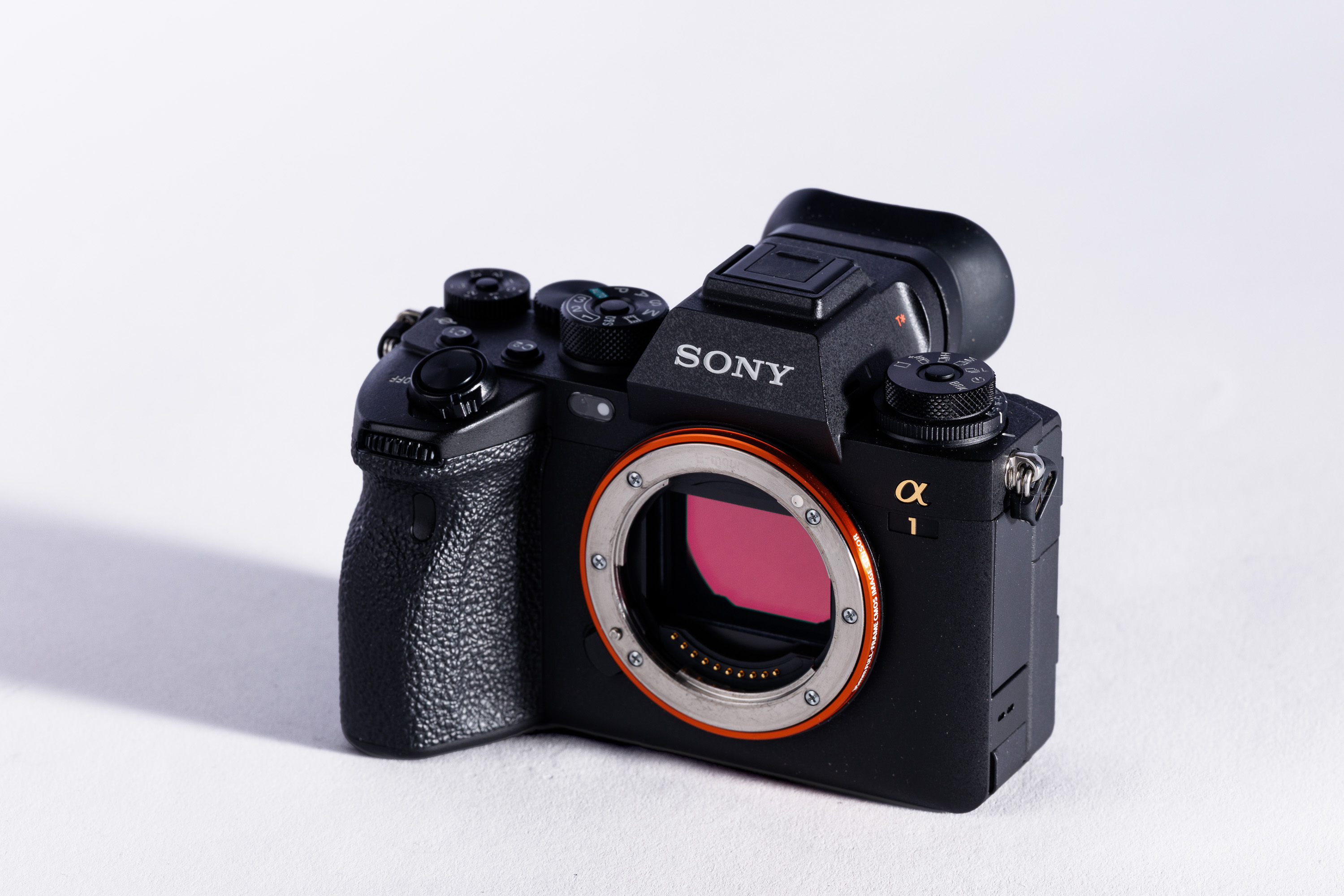
Used Sony A1
Sony A1 (2021)
Typical used price: $1,700–$3,300
The original Sony A1 is at home in almost any genre, but it thrives in sports and wildlife photography, landscapes, portraits and commercial work.
Pros
Speed, resolution and video in one camera
Excellent autofocus and subject tracking
Lots of detail for cropping and large prints
Cons
Costly if you’re on a tight budget
Files demand a lot of storage

British RAF Red Arrow | Sony A1 | Sony 200-600mm f/5.6-6.3 G OSS | 600mm | f/9.0 | ISO 800 | 1/3200
Its autofocus is still good, and the 50 megapixel sensor means you have the flexibility to crop into images without making your images look rubbish. Take a look at Marc Read’s in-depth Sony A1 review, where he tested it photographing wildlife and aircraft.
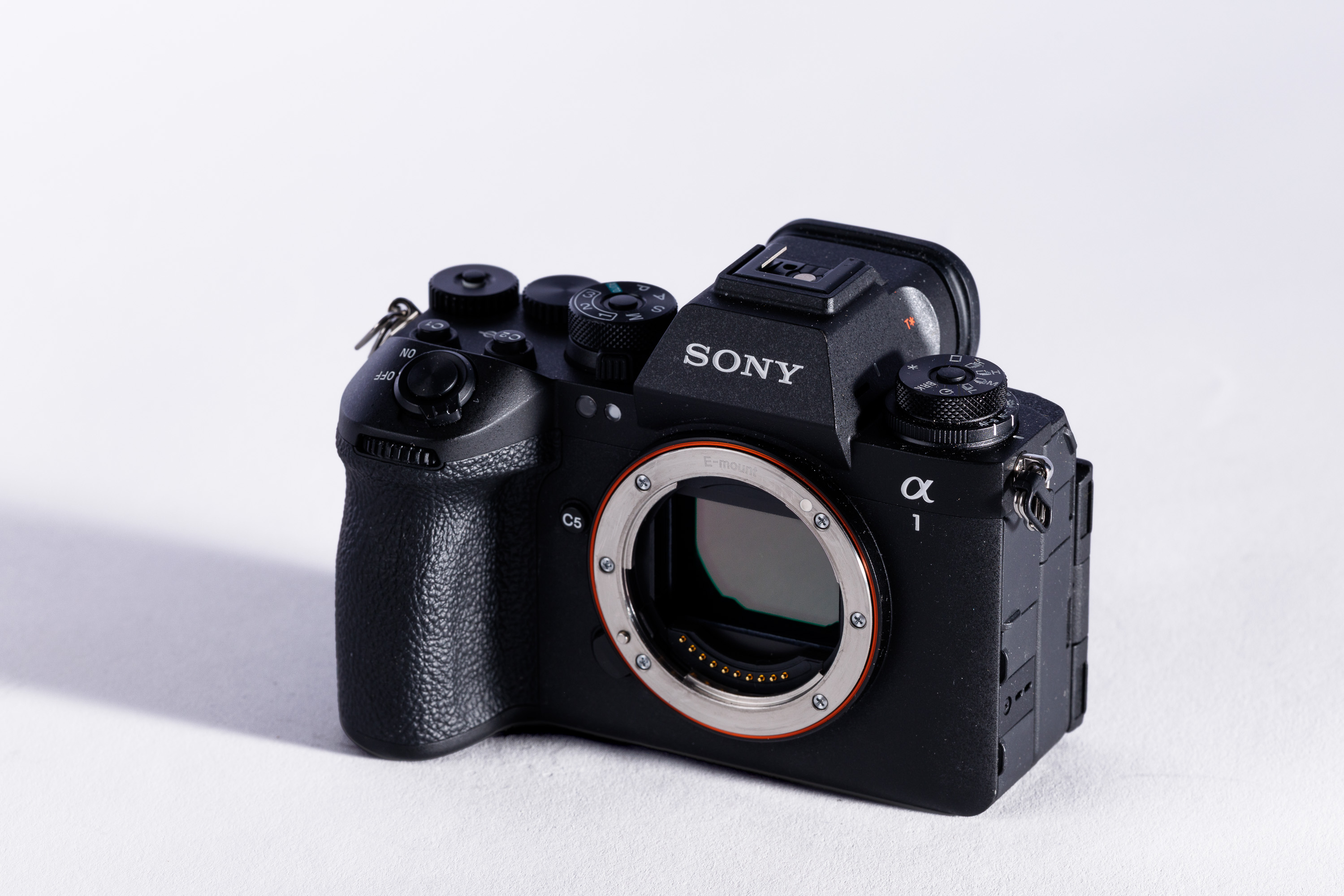
Used Sony A1 II
Sony A1 II (2024)
Typical used price: $3,700–$6,000
If you had a Sony A1 II in one hand and a Sony A1 in the other, it’d be very difficult to tell them apart. Rather than starting from scratch here, Sony added some improvements to autofocus, image stabilization (IBIS) and handling.
Pros
Strong all-round performance
Good for both photo and video
Sony's latest autofocus system
Cons
Premium price tag
A modest upgrade from the A1
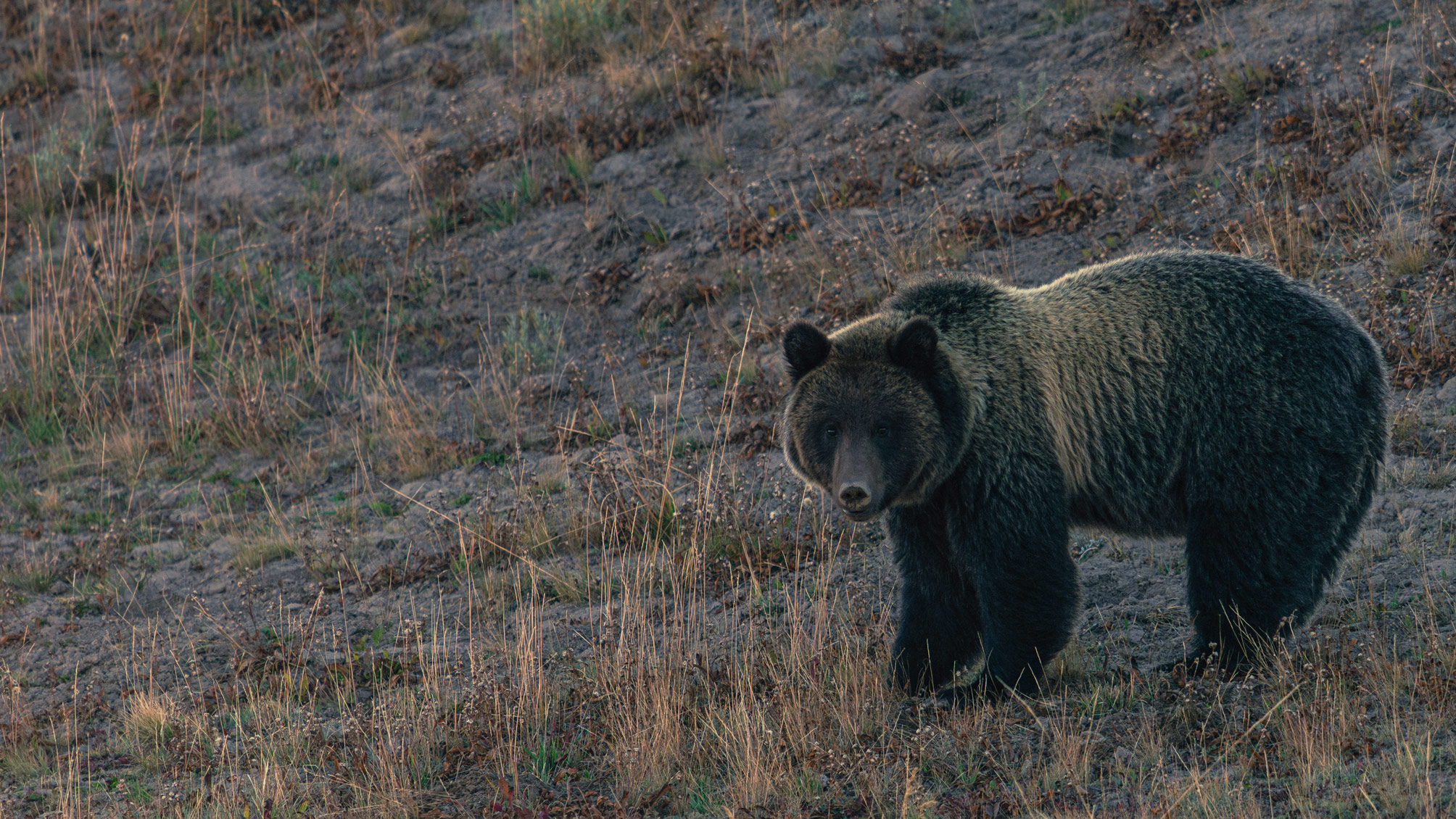
Justin Patricolo | Sony A1 II | 200-600mm f/5.6-6.3 G OSS | 600mm | f/6.3 | 1/320 | ISO 400
The A1 II is even more costly than the Sony A1, so if you're a hobbyist, it's not the camera for you. But if you want the all-singing, all-dancing A1 model and you’re a professional, knock yourself out. To see how the two compare and explore the kind of images you can produce with the A1 II, check out our Sony A1 II review.
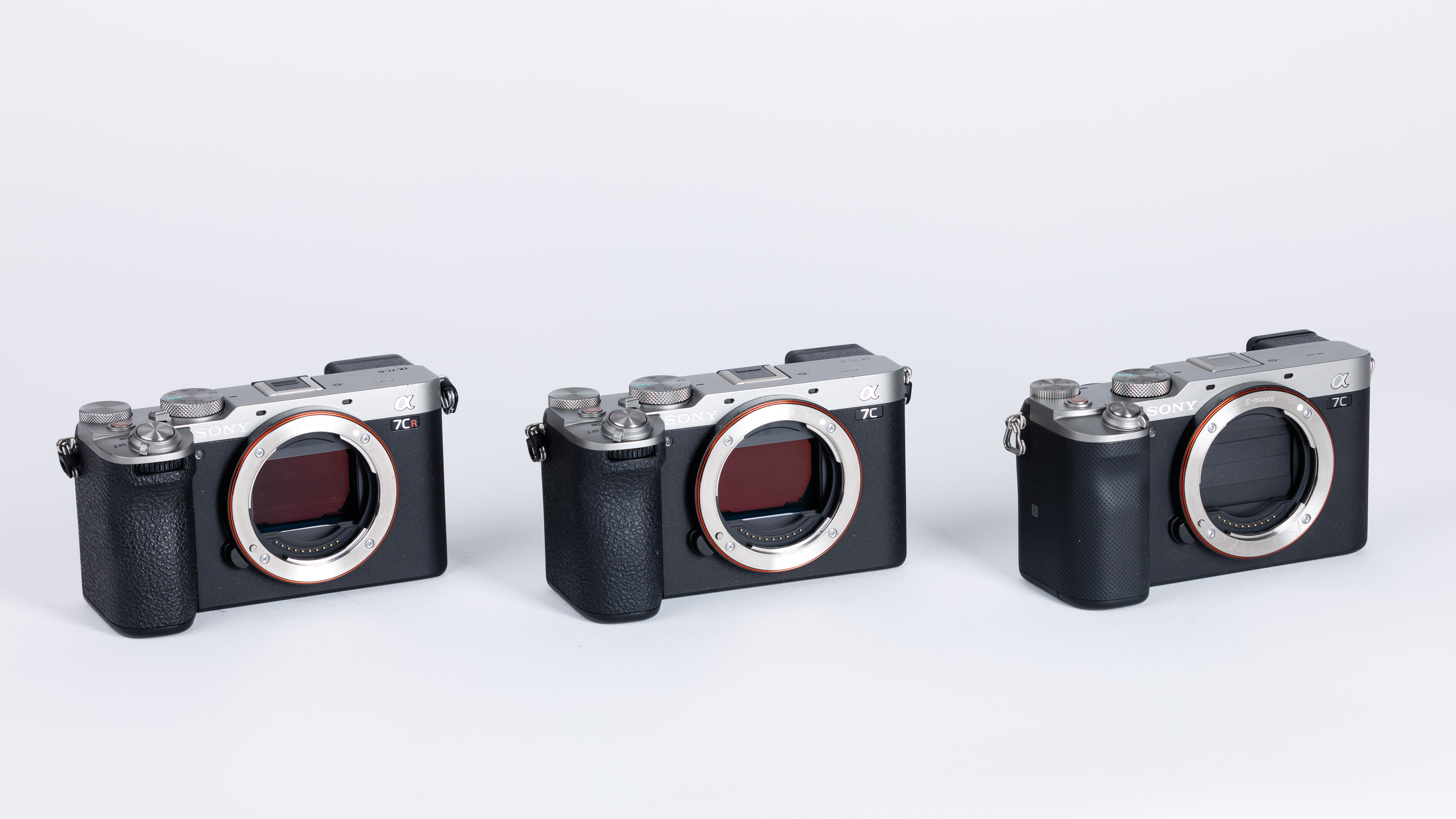
Used Sony A7C series. From L-R: A7CR, A7C, A7C II
A7C series (2020–)
If you love good image quality but don't want to carry a heavy kit, there’s a Sony A7C series for that. The "C" stands for compact, and you’ll find full-frame performance in these three smaller, lighter bodies. The A7C series is the series for those who travel and shoot or take photos every day.
| A7C | A7C II | A7CR |
Release year | 2020 | 2023 | 2023 |
Sensor size | Full-frame | Full-frame | Full-frame |
Stacked | No | No | No |
BSI | Yes | Yes | Yes |
Megapixels | 24.2 | 33 | 61 |
Processor | Bionz X | Bionz XR | Bionz XR |
AI unit | No | Yes | Yes |
IBIS | Yes | Yes | Yes |
IBIS stops | 5 | 7 | 7 |
ISO, min | 100 | 100 | 100 |
ISO, max | 51200 | 51200 | 32000 |
ISO, exp | 204800 | 204800 | 102400 |
Autofocus pts | 693 | 759 | 693 |
Burst, fps | 10 | 10 | 8 |
Shutter | Dual | Dual | Dual |
Shutter, mech | 1/4000 | 1/4000 | 1/4000 |
Shutter, elec | 1/8000 | 1/8000 | 1/8000 |
Max video | 4K 30p | 4K 60p | 4K 60p |
Slow-mo | 1080 120p | 1080 120p | 1080 120p |
EVF res, m | 2.36 | 2.36 | 2.36 |
LCD type | Vari-angle | Vari-angle | Vari-angle |
LCD size, in | 3 | 3 | 3 |
LCD dots, m | 0.92 | 1.03 | 1.03 |
Battery | NP-FZ100 | NP-FZ100 | NP-FZ100 |
Est shots | 740 | 540 | 520 |
Card slots | Single | Single | Single |
Card slot 1 | SD-II | SD-II | SD-II |
Card slot 2 | - | - | - |
Wi-Fi, GHz | 2.4, 5 | 2.4, 5 | 2.4, 5 |
Bluetooth | 4.1 | 4.2 | 4.2 |
USB | C | C | C |
HDMI | Micro | Micro | Micro |
Ethernet | No | No | No |
Weight, g | 509 | 514 | 515 |
The biggest differences from the standard A7 series are the compact design and the snazzy, rangefinder-inspired body. There really isn’t much to separate them in terms of image quality.
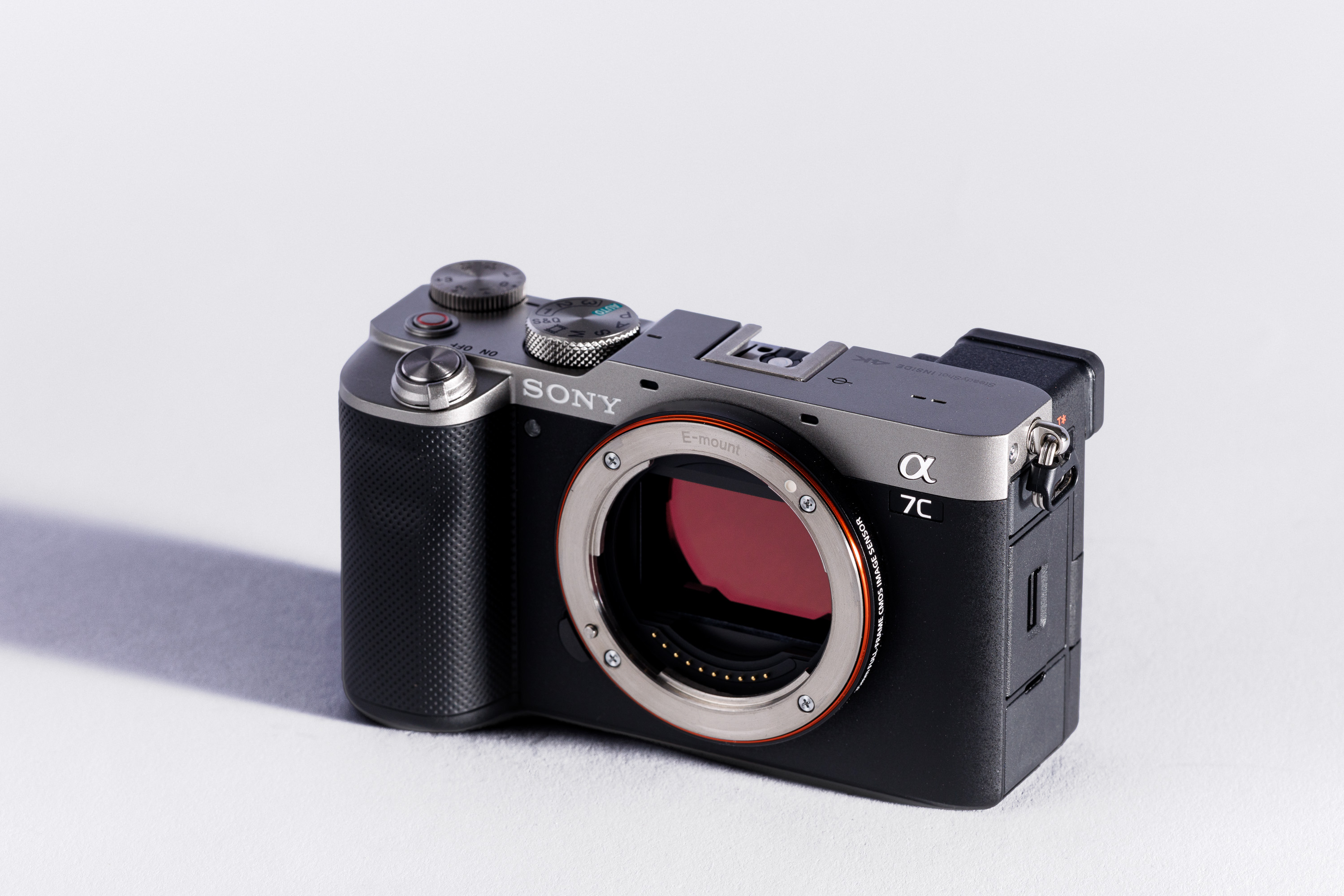
Used Sony A7C
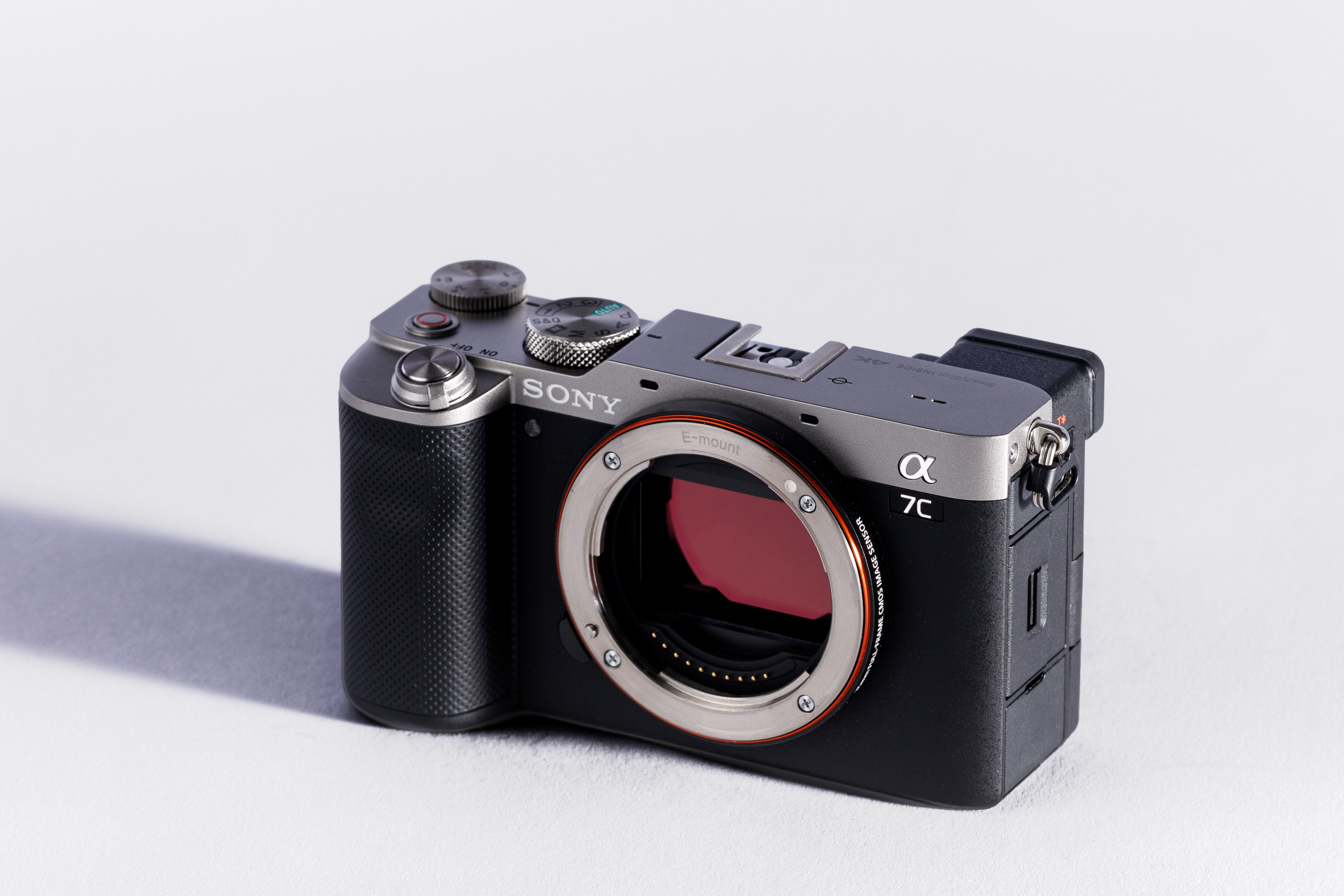
Sony A7C (2020)
Typical used price: $650–$1,100
The Sony A7C is evidence that full-frame cameras don’t have to be big and bulky. Yes, the newer and shinier A7C II and A7CR have even better autofocus, image stabilization and resolution, but the original is still a great camera. It’s also a more affordable way into Sony’s compact full-frame range.
Pros
Small, lightweight and easy to travel with
Great image quality
Excellent value bought used
Cons
Older autofocus than the newer A7C models
Only 8-bit video
Single memory card slot
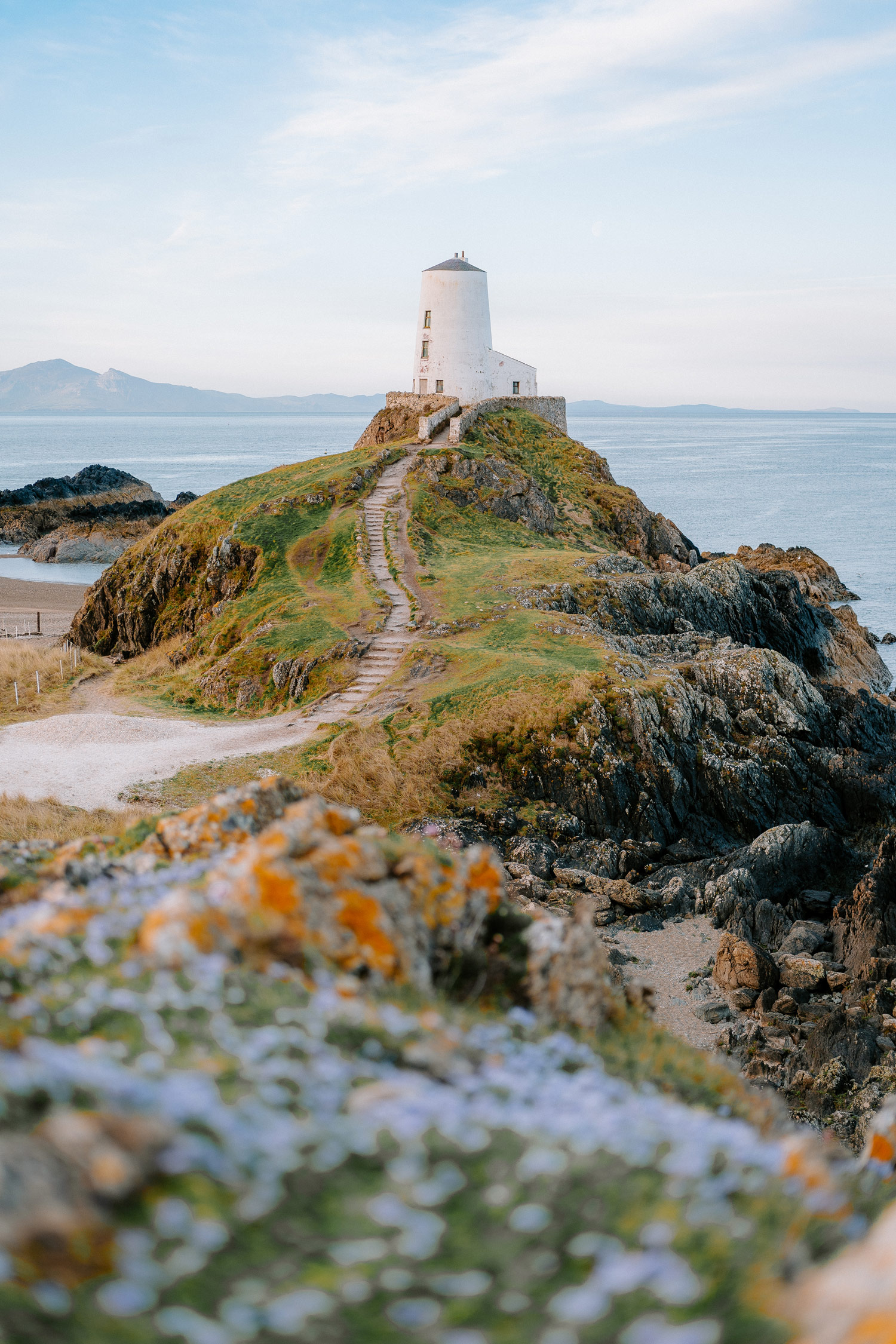
James Popsys | Sony A7C | Sony FE 40mm f/2.5 G | f/2.5 | 1/400 sec | ISO 100
The Canon EOS R6 and the A7C are two popular choices for photographers looking for a compact, versatile full-frame camera. Gess Puglielli compares them in our Canon EOS R6 vs Sony A7C comparison for low-light photography.
Used Sony A7C II
Sony A7C II (2023)
Typical used price: $1,100–$1,800
The Sony A7C II took the idea of the A7C and A7CR, then ran with it, throwing in a higher-resolution sensor, faster autofocus and even better image stabilization. If you shoot both stills and video, you’re always on the move, or you like to travel light, take a punt with the A7C II. It’s a solid addition to your packing list alongside your passport.
Pros
Small, light to travel with
Fast autofocus
Balance of photo and video features
Cons
Single memory card slot
Smaller grip
Cropped 4K, 60p
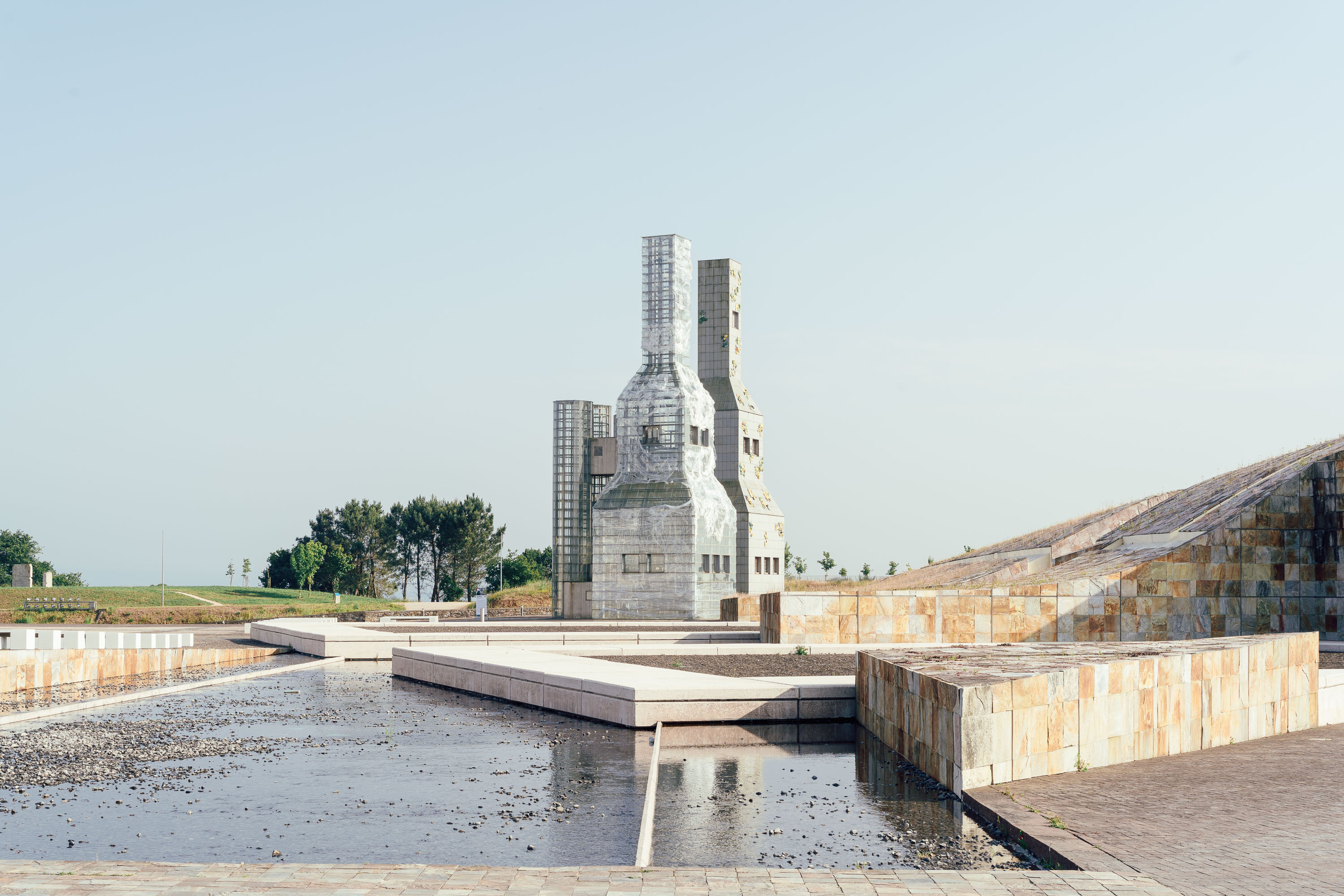
Connor Redmond | Sony A7C II | Sony FE 24-50mm f/2.8G | 50mm | f/11 | 1/125 sec | ISO 100
It shares much of Sony A7 IV’s performance thanks to the same 33-megapixel sensor, but the body is (obviously) much easier to carry around. To prove it’s a good travel buddy, here’s our Sony A7C II travel camera review.
Used Sony A7CR
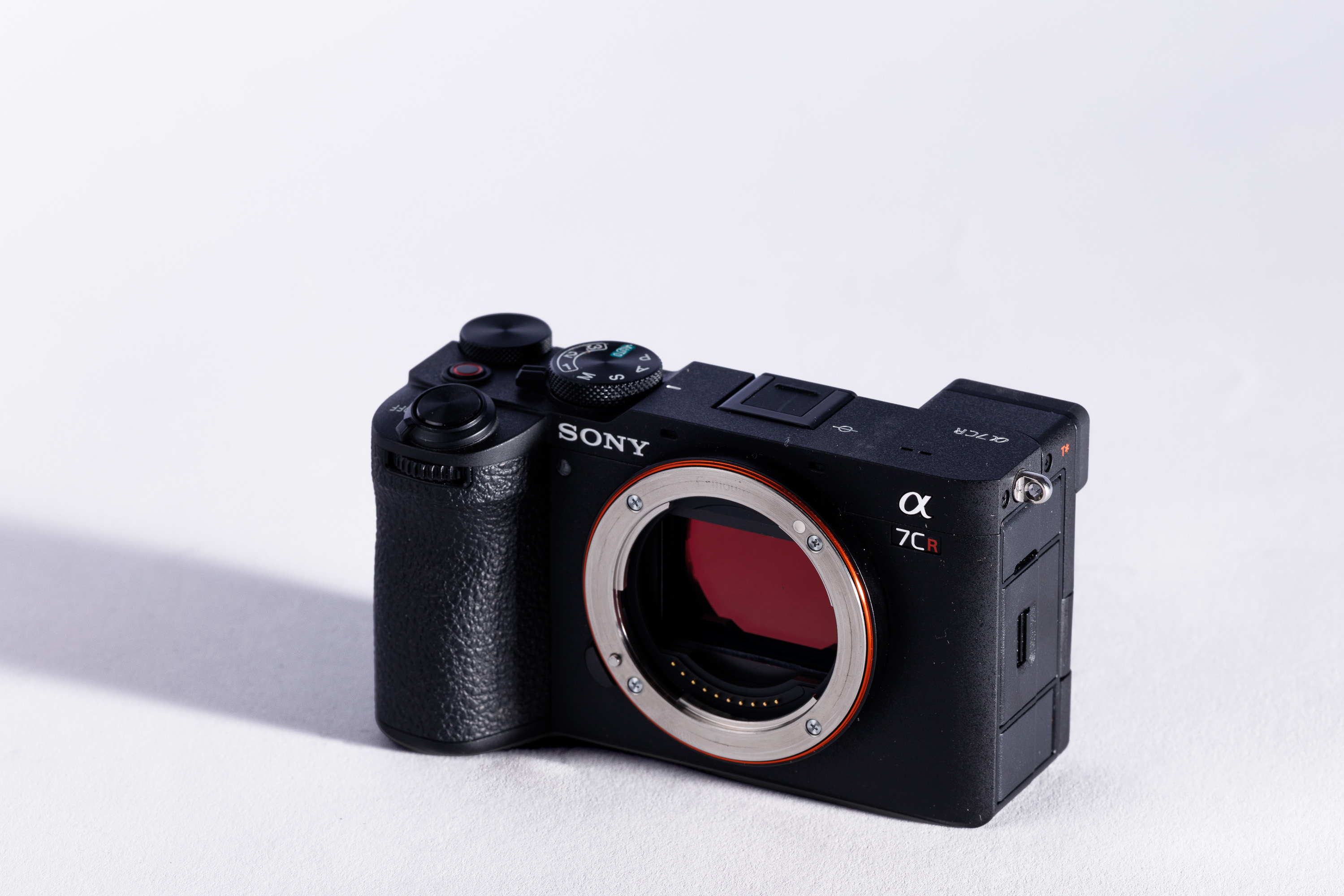
Sony A7CR (2023)
Typical used price: $1,600–$2,600
The Sony A7CR is what you want if you’re fond of the A7C's compact size but need more resolution. It takes the renowned 61 megapixel sensor from the A7R series and somehow manages to make it work in a travel-friendly body. This makes it the choice for those of you who want to pack light while packing detail into your images.
Pros
Huge 61 megapixel resolution in a compact body
Outstanding autofocus and image stabilization
Great for travel and landscape photography
Cons
Single memory card slot
Smaller viewfinder than the A7R V
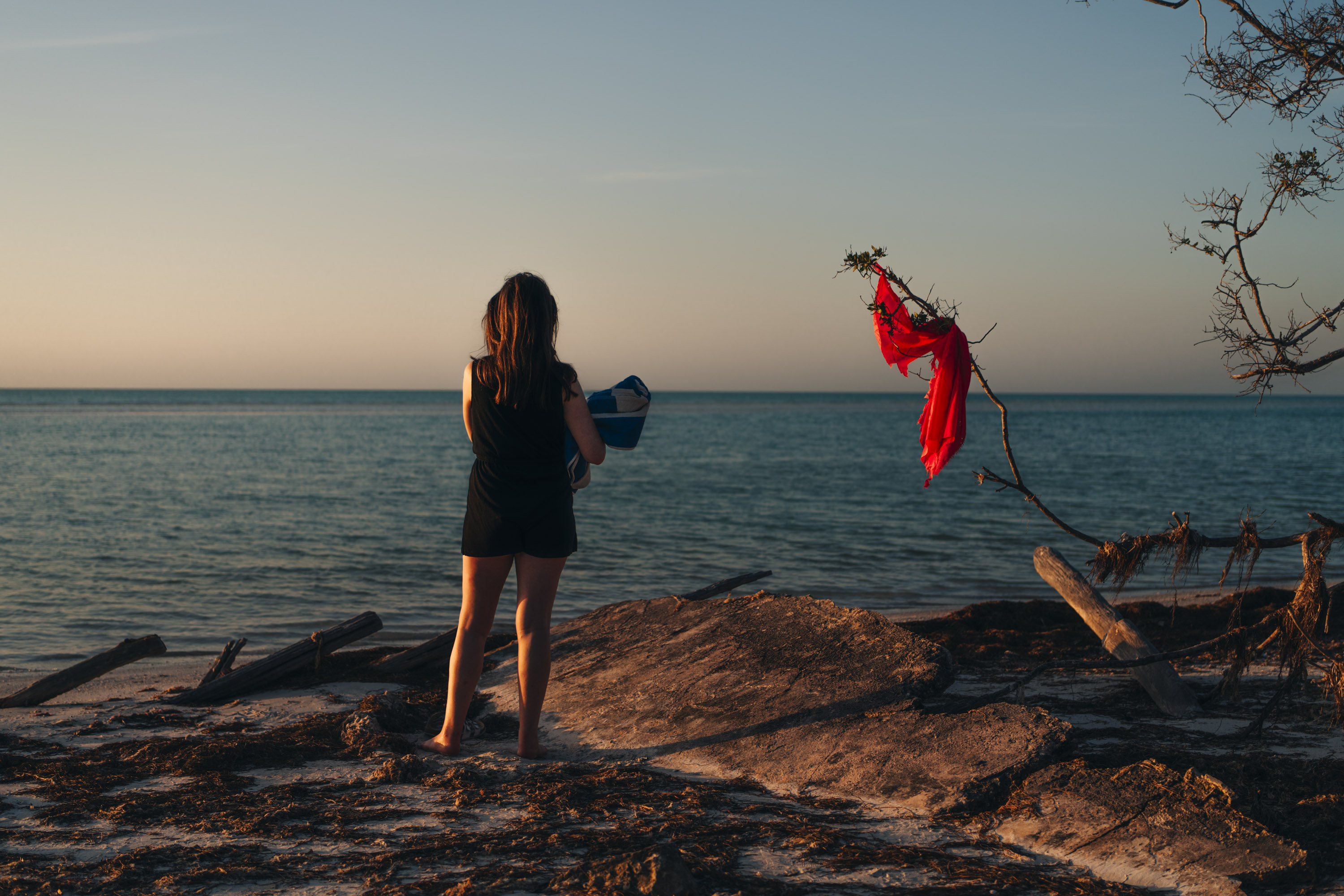
Ian Howorth | Sony A7CR | Sony FE 40mm G f/2.5 | ISO 100 | f/2.5 | 1/1250
The A7CR has a much higher-resolution sensor, improved AI-powered autofocus and better image stabilization. It's for landscape, travel, and street photographers, or anyone who prefers to crop their photos later. We took it to Mexico to test it out on street scenes and landscapes. Read Ian Howorth’s full Sony A7CR review to see how it deals with hot, low-light conditions in faraway places.
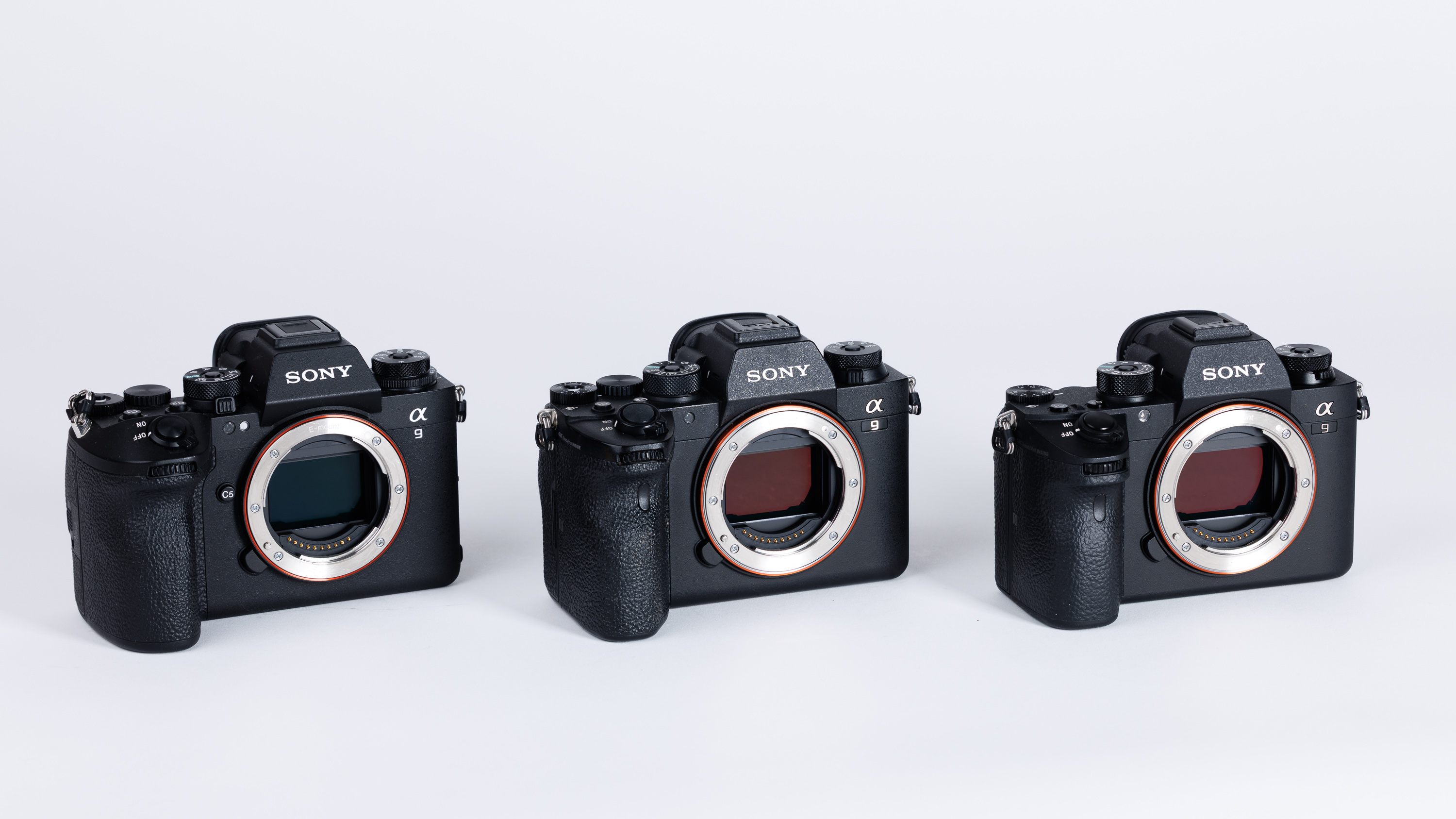
Used Sony A9 series. From L-R: A9 III, A9 II, A9
Sony A9 series (2017–)
If you need speed, the Sony A9 series is the place to start. Built with sports, wildlife and news photographers in mind, these cameras can lock onto fast-moving subjects.
| Sony A9 | Sony A9 II | Sony A9 III |
Release year | 2017 | 2019 | 2023 |
Sensor size | Full-frame | Full-frame | Full-frame |
Stacked | Yes | Yes | Yes |
BSI | Yes | Yes | Yes |
Megapixels | 24.2 | 24.2 | 24.6 |
Processor | Bionz X | Bionz X | Bionz XR |
AI unit | No | No | Yes |
IBIS | Yes | Yes | Yes |
IBIS stops | 5 | 5.5 | 8 |
ISO, min | 100 | 100 | 250 |
ISO, max | 51200 | 51200 | 25600 |
ISO, exp | 204800 | 204800 | 51200 |
Autofocus pts | 693 | 693 | 759 |
Burst, fps | 20 | 20 | 120 |
Shutter | Dual | Dual | Elec |
Shutter, mech | 1/8000 | 1/8000 | - |
Shutter, elec | 1/32000 | 1/32000 | 1/80000 |
Max video | 4K 30p | 4K 30p | 4K 120p |
Slow-mo | 1080 120p | 1080 120p | 4K 120p |
EVF res, m | 3.69 | 3.69 | 9.44 |
LCD type | Tilting | Tilting | 4-axis multi |
LCD size, in | 3 | 3 | 3.2 |
LCD dots, m | 1.44 | 1.44 | 2.1 |
Battery | NP-FZ100 | NP-FZ100 | NP-FZ100 |
Est shots | 650 | 690 | 620 |
Card slots | Dual | Dual | Dual |
Card slot 1 | SD-II | SD-II | CFx-A, SD-II |
Card slot 2 | SD-I | SD-II | CFx-A, SD-II |
Wi-Fi, GHz | 2.4, 5 | 2.4, 5 | 2.4, 5 |
Bluetooth | 4.1 | 5 | 5 |
USB | C | C | C |
HDMI | Micro | Micro | Full-size |
Ethernet | Yes | Yes | Yes |
Weight, g | 673 | 678 | 703 |
The series introduced Sony's stacked sensor technology, allowing faster burst shooting and a blackout-free viewfinder, so you can keep your subject in sight. The Sony A9 III went a step further with a global shutter sensor, but more on that in a minute.
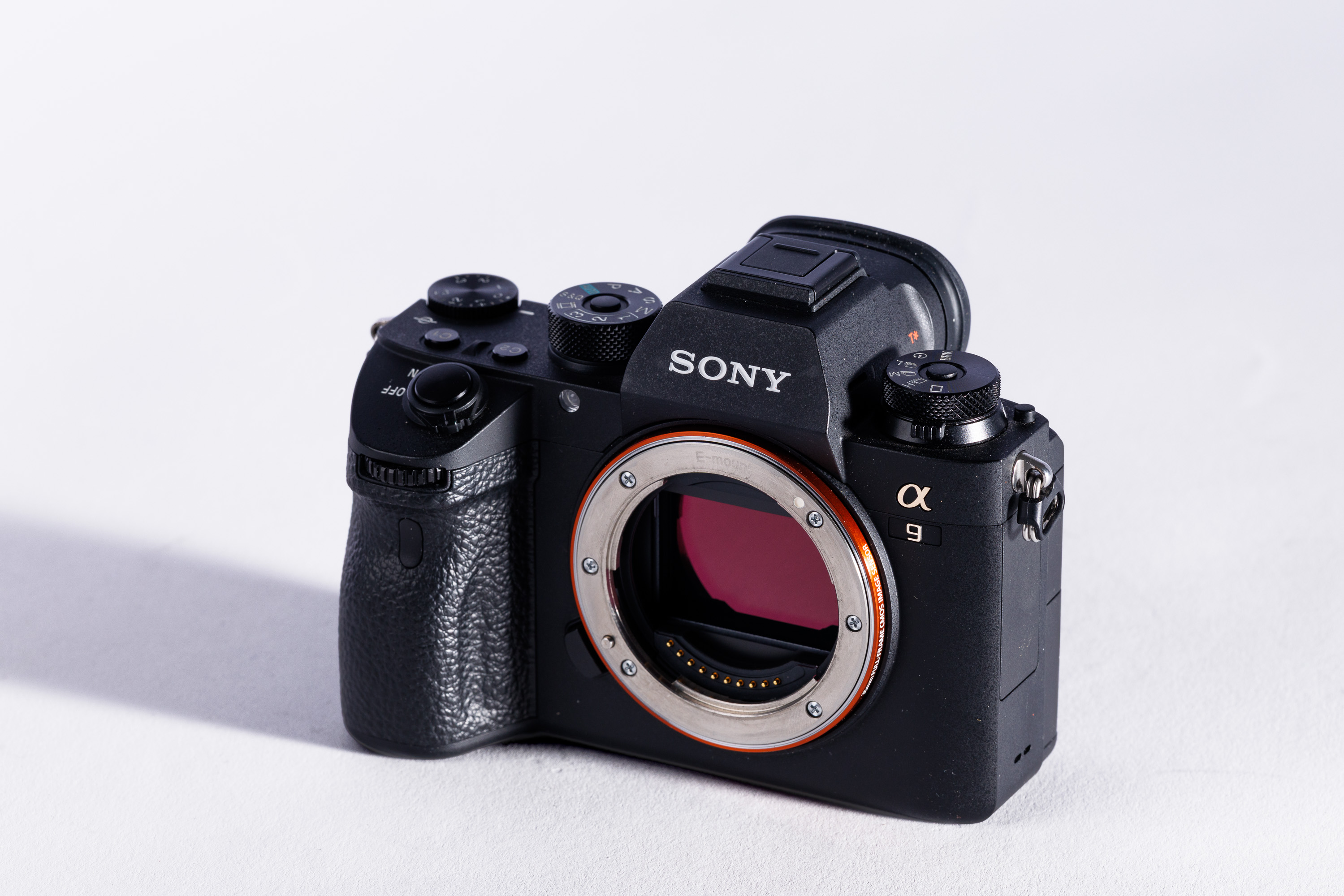
Used Sony A9
Sony A9 (2017)
Typical used price: $640–$1,500
The Sony A9 might be the oldest camera in the series, but don't write it off. It was revolutionary when it launched, and it's still incredibly quick today. Better yet, it won't stretch your budget too far, and you'll still get to experience the stacked sensor technology that made the A9 such a landmark camera.
Pros
Fast, reliable autofocus
Blackout-free burst shooting
Excellent value bought used
Cons
Older handling and connectivity than the A9 II
No global shutter like the A9 III
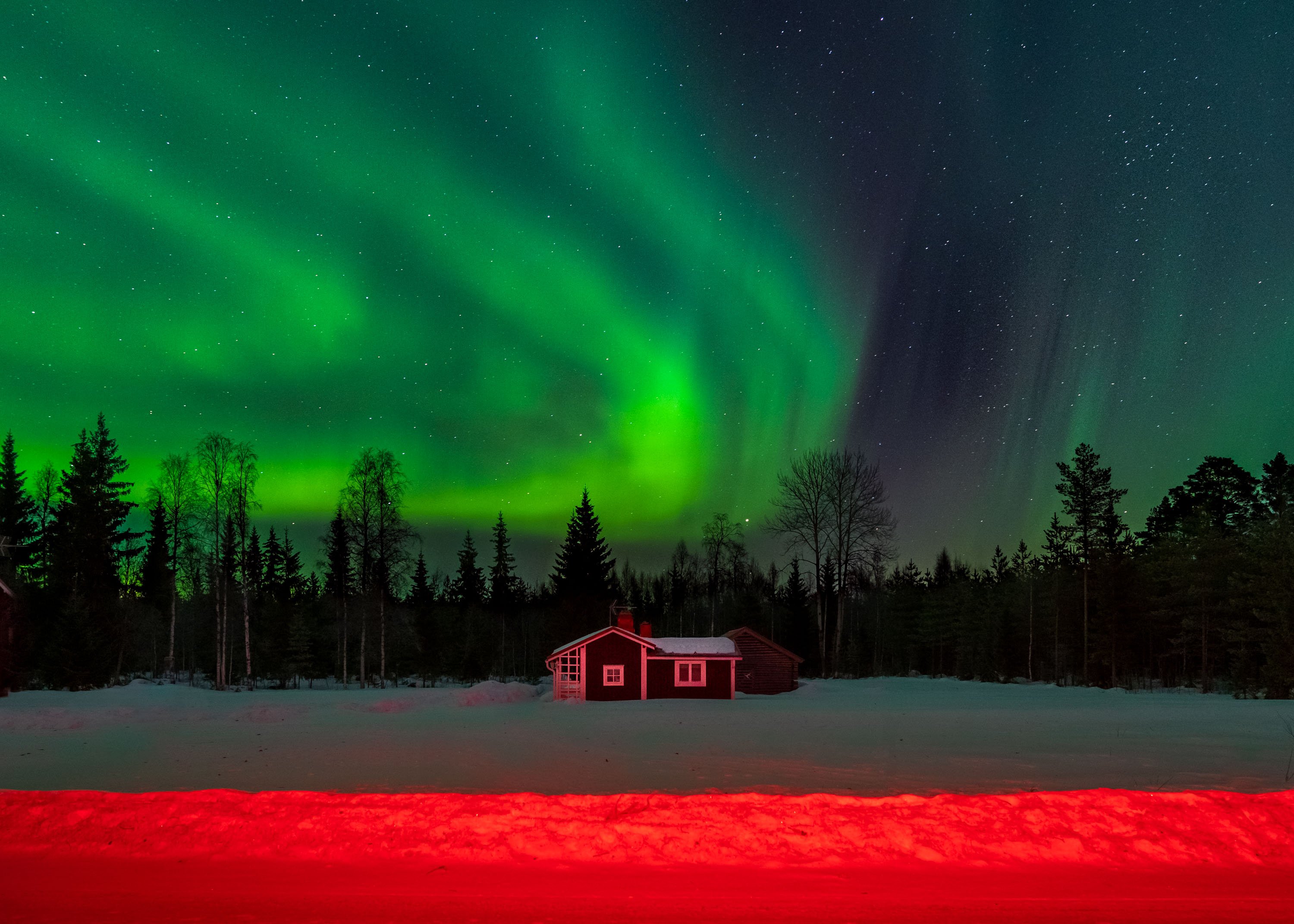
Ian Howorth | Sony A9 | FE 24-70mm f/2.8 GM | 24mm | f/4.0 | 15 sec | ISO 3200
Our Sony A9 model overview covers a few more details.
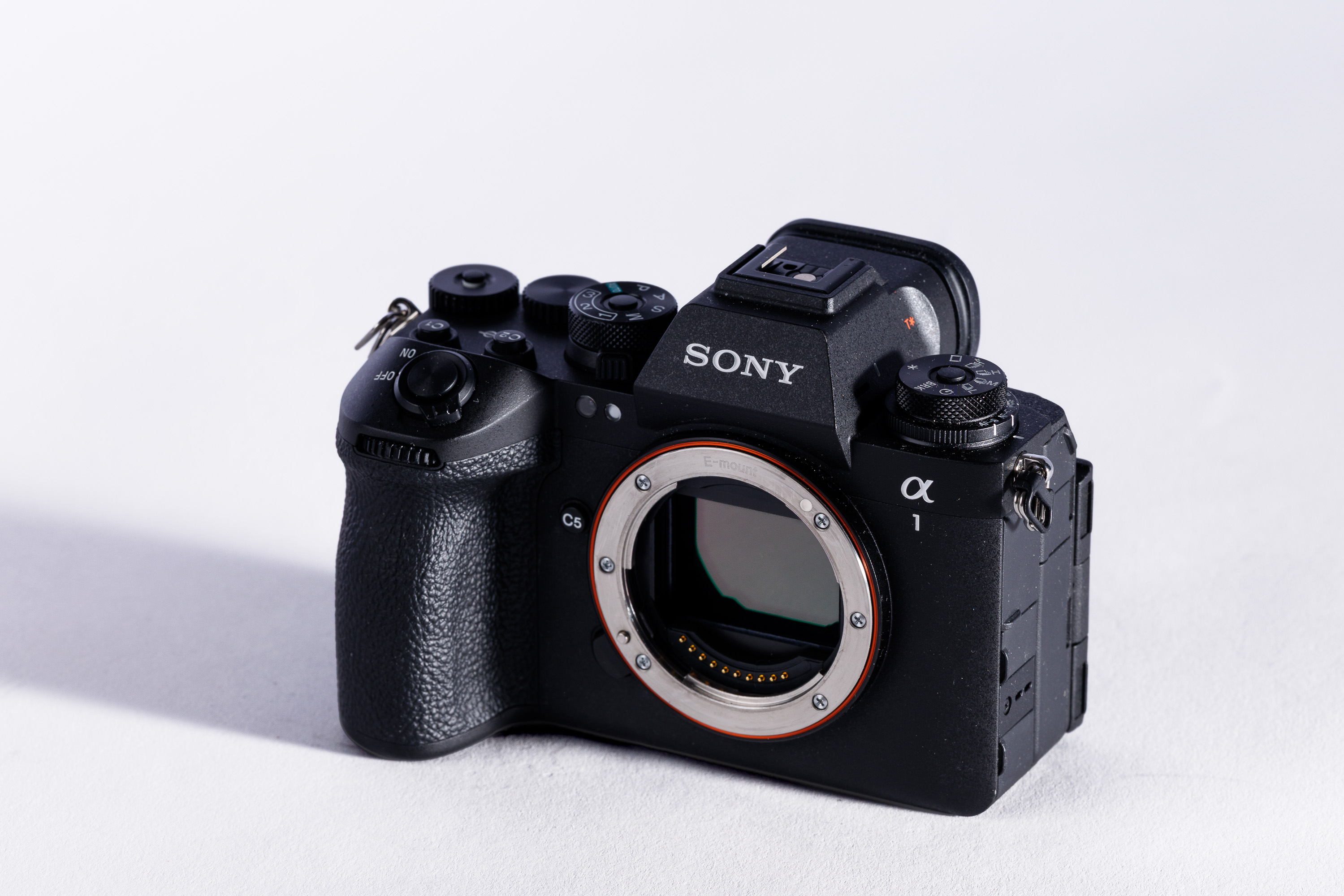
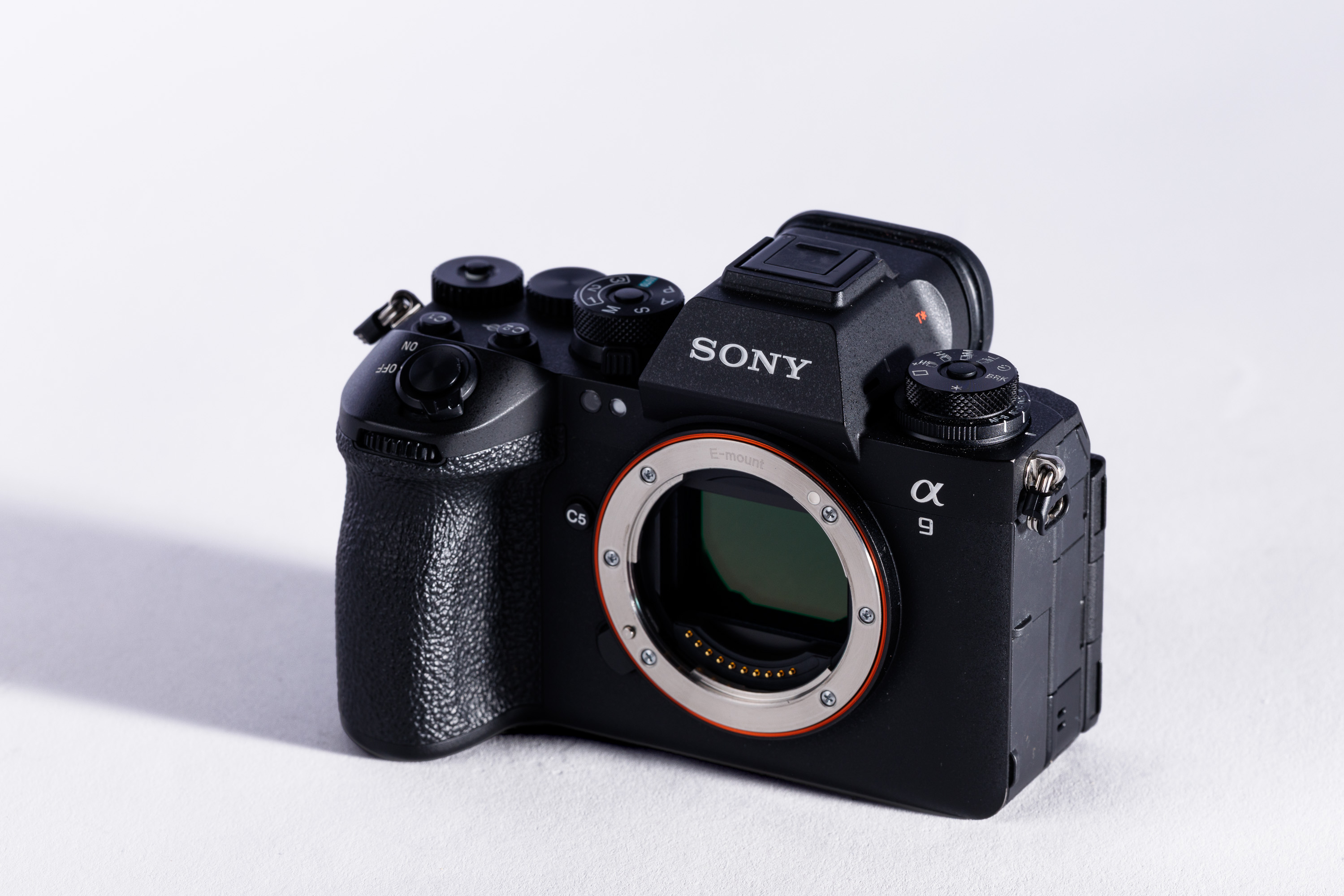
Used Sony A9 II
Sony A9 II (2019)
Typical used price: $900–$2,100
The original A9 was such a hit with sports photographers that Sony decided to build on that with the Sony A9 II. They gave it a tougher body, improved connectivity and refined its shape, meaning another camera for fast action joined the line-up.
Pros
Built for fast-moving subjects
Dependable autofocus and burst shooting
Excellent value on the used market
Cons
Minimal upgrade on the A9
No global shutter technology

Women’s Euro Finals 2022. Shot by Daniela Porcelli with the Sony A9 II.
Unsurprisingly, the A9 II is great for wildlife and news photography, too. It doesn’t have the Sony A9 III's global shutter (or its price tag), but it's a brilliant used buy if you’re not bothered about the latest model and still a camera that can keep up. Sports photographer Daniela Porcelli took the Sony A9 II as a plus one to the UEFA Women's Euros, and covered its perks in our Sony A9 II review.
Used Sony A9 III
Sony A9 III (2024)
Typical used price: $2,700–$5,100
The Sony A9 III lives life in the fast lane. It was the first-ever full-frame camera with a global shutter sensor, eliminating rolling shutter distortion completely and making split-second moments easier to capture.
Pros
Global shutter eliminates distortion
Impressive speed
Outstanding autofocus
Cons
Premium price
Resolution won't suit everyone
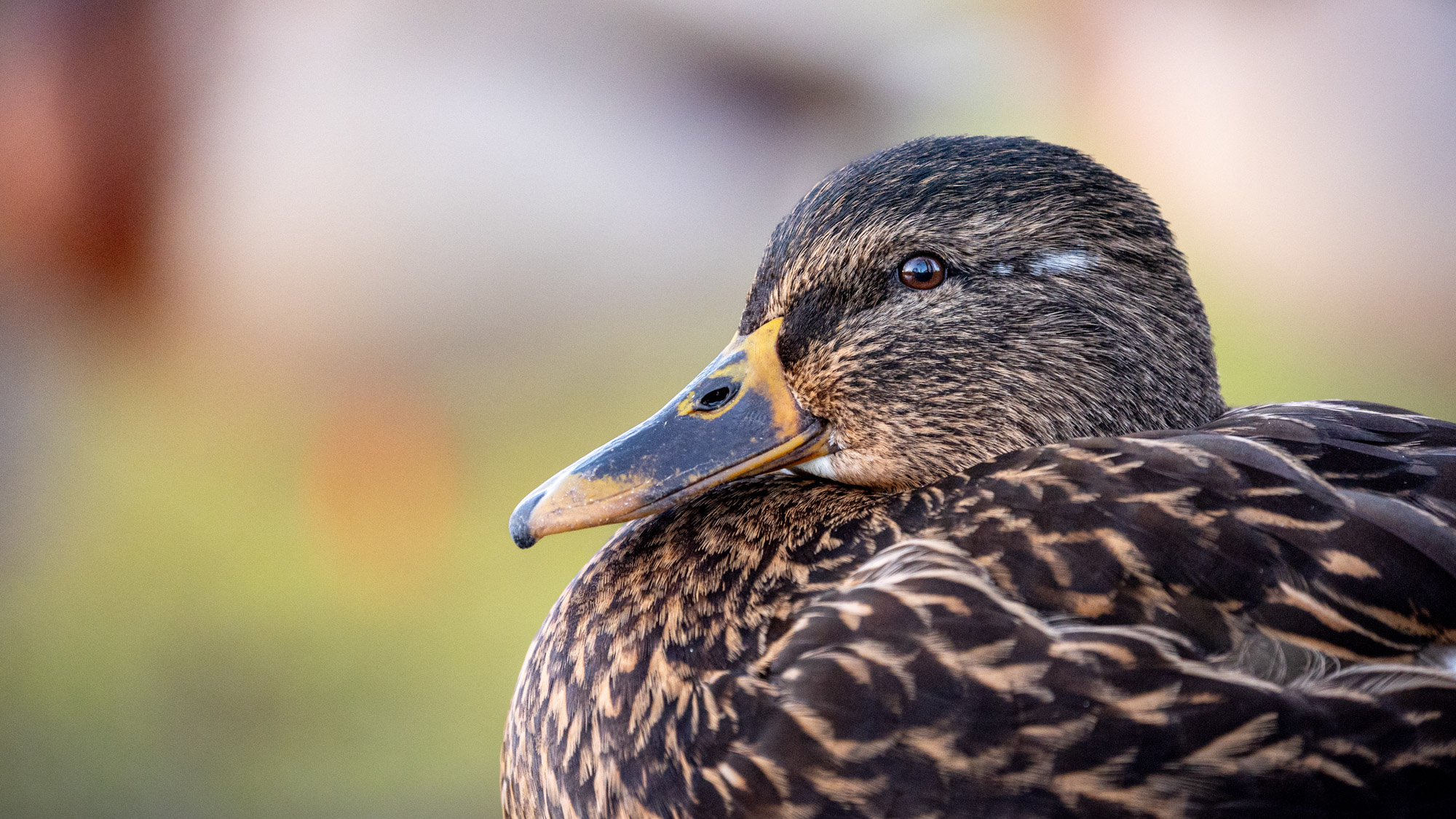
Jordi Woerts | Sony A9 III | Sony FE 200–600mm f/5.6–6.3 G OSS | 600mm | f/6.3 | 1/400 sec | ISO 4000
The A9 III doesn't come cheap, but if sport, wildlife or breaking news is what you do, I’d say this fast action camera is worth every cent. Wildlife photographer Jordi Woerts proves that with his beautiful photos of birds in this Sony A9 III review.
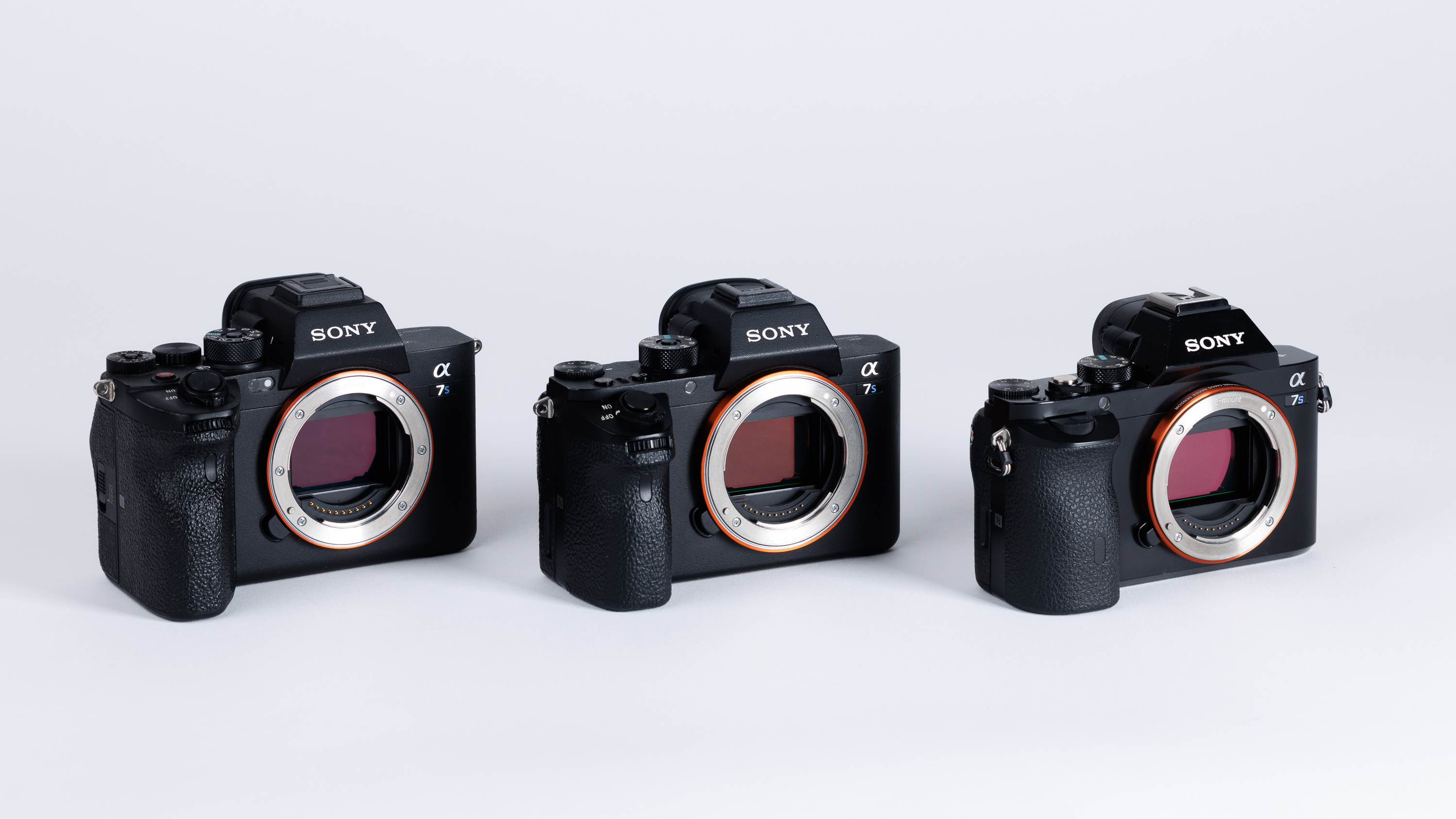
Used Sony A7S series. From L-R: A7S III, A7S II, A7S
Sony A7S series (2014–)
The A7S series is made for people who spend more time filming than taking photos. The "S" stands for sensitivity, and the series is known for excellent low-light performance and video features.
| A7S | A7S II | A7S III |
Release year | 2014 | 2015 | 2020 |
Sensor size | Full-frame | Full-frame | Full-frame |
Stacked | No | No | No |
BSI | No | No | Yes |
Megapixels | 12.2 | 12.2 | 12.1 |
Processor | Bionz X | Bionz X | Bionz XR |
AI unit | No | No | No |
IBIS | No | Yes | Yes |
IBIS stops | - | 4.5 | 5.5 |
ISO, min | 100 | 100 | 80 |
ISO, max | 102400 | 102400 | 102400 |
ISO, exp | 409600 | 409600 | 409600 |
Autofocus pts | 25 | 169 | 759 |
Burst, fps | 5 | 5 | 10 |
Shutter | Dual | Dual | Dual |
Shutter, mech | 1/8000 | 1/8000 | 1/8000 |
Shutter, elec | 1/8000 | 1/8000 | 1/8000 |
Max video | 4K 30p ext | 4K 30p | 4K 120p |
Slow-mo | 720 120p | 1080 120p | 1080 240p |
EVF res, m | 2.36 | 2.36 | 9.44 |
LCD type | Tilting | Tilting | Vari-angle |
LCD size, in | 3 | 3 | 3 |
LCD dots, m | 1.23 | 1.23 | 1.44 |
Battery | NP-FW50 | NP-FW50 | NP-FZ100 |
Est shots | 360 | 370 | 600 |
Card slots | Single | Single | Dual |
Card slot 1 | SD-I | SD-I | CFx-A, SD-II |
Card slot 2 | - | - | CFx-A, SD-II |
Wi-Fi, GHz | 2.4 | 2.4 | 2.4, 5 |
Bluetooth | No | No | 5 |
USB | Micro-B | Micro-B | C |
HDMI | Micro | Micro | Full-size |
Ethernet | No | No | No |
Weight, g | 489 | 627 | 699 |
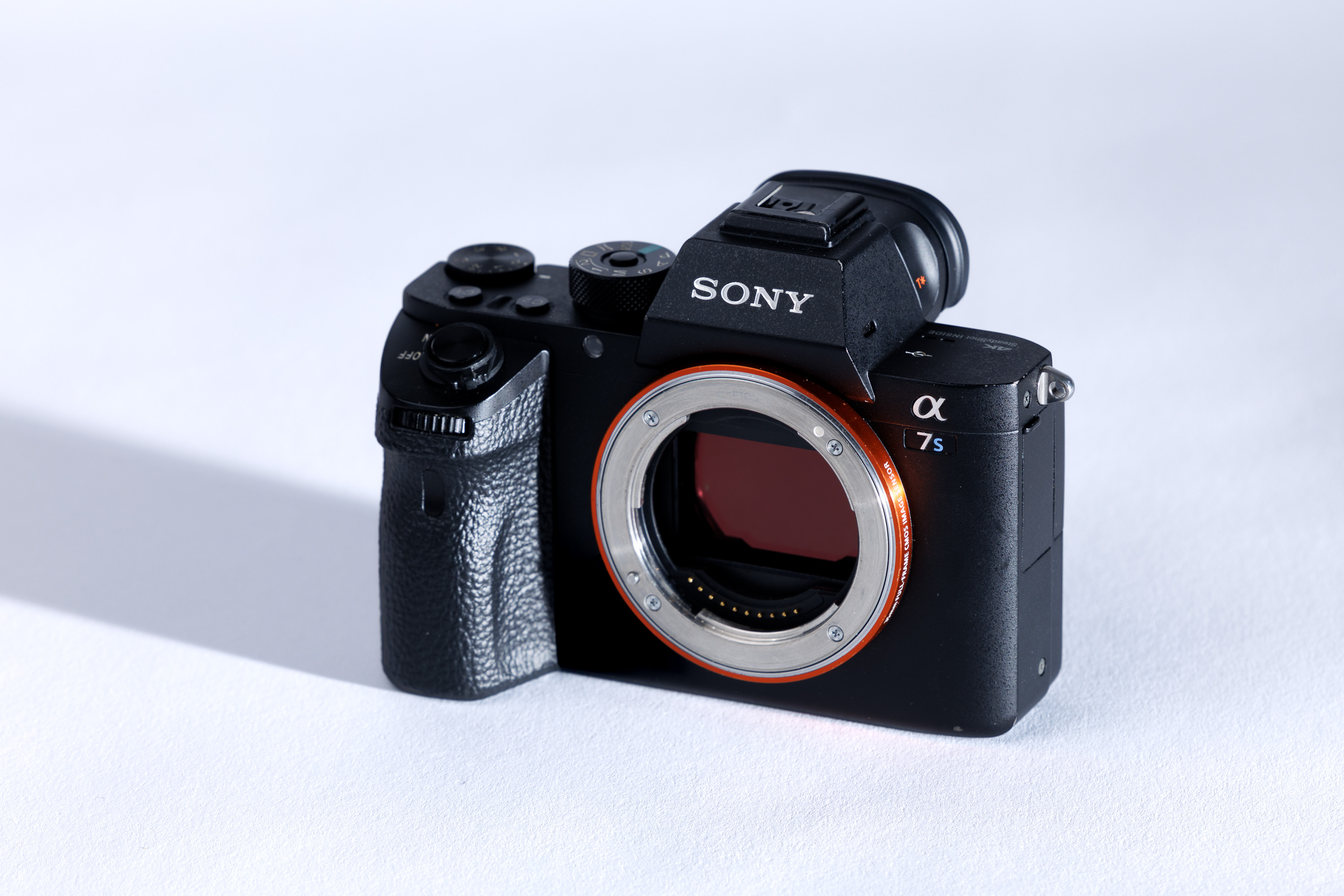
Used Sony A7S
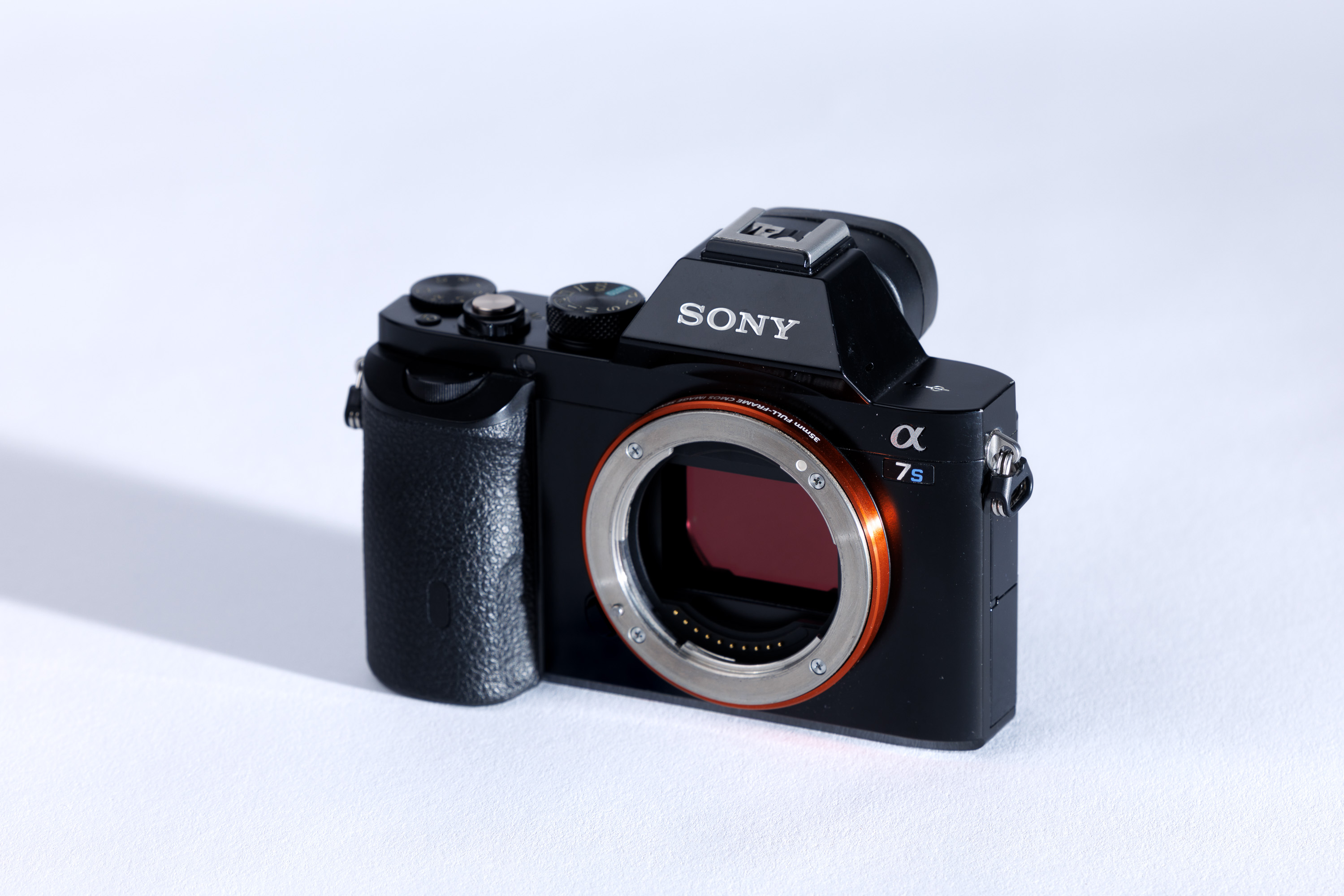
Sony A7S (2014)
Typical used price: $260–$620
"The Sony A7S only has 12 megapixels?!" you ask. Yes, 12 megapixels may seem low, but Sony knew exactly what it was doing here. By keeping the resolution low, it created a camera that could practically see in the dark, quickly turning it into a favorite with filmmakers and low-light shooters.
Pros
Budget entry to Sony's video lineup
Fantastic low-light image quality
Compact full-frame body
Cons
Older autofocus system
12 megapixel resolution won't suit everyone
4K video quality only achieved with an external recorder
If you’re a professional filmmaker, perhaps think again, as you’ll need an external recorder if you want to achieve the sharpest possible video (4K). Additionally, if huge prints and heavy cropping are part of your workflow, this probably isn't the camera for you.
But if you regularly film YouTube content or concerts? Go for the A7S. It's a cheaper way into Sony's video-focused lineup. Read our Sony A7S model overview to explore its full specifications.
Used Sony A7S II
Sony A7S II (2015)
Typical used price: $360–$860
Since the Sony A7S II ended up filming parts of Planet Earth II, Sony was probably doing something right here. The Sony A7S II helped capture some of the series' night-time sequences, giving you a good idea of what it's capable of in low light. Internal 4K recording and 5-axis image stabilization were added, making it an even stronger choice for filmmakers than the original A7S.
Pros
Excellent low-light performance
Strong video features for its age
Great value bought used
Cons
Older autofocus system
Only 8-bit video recording
Short battery life
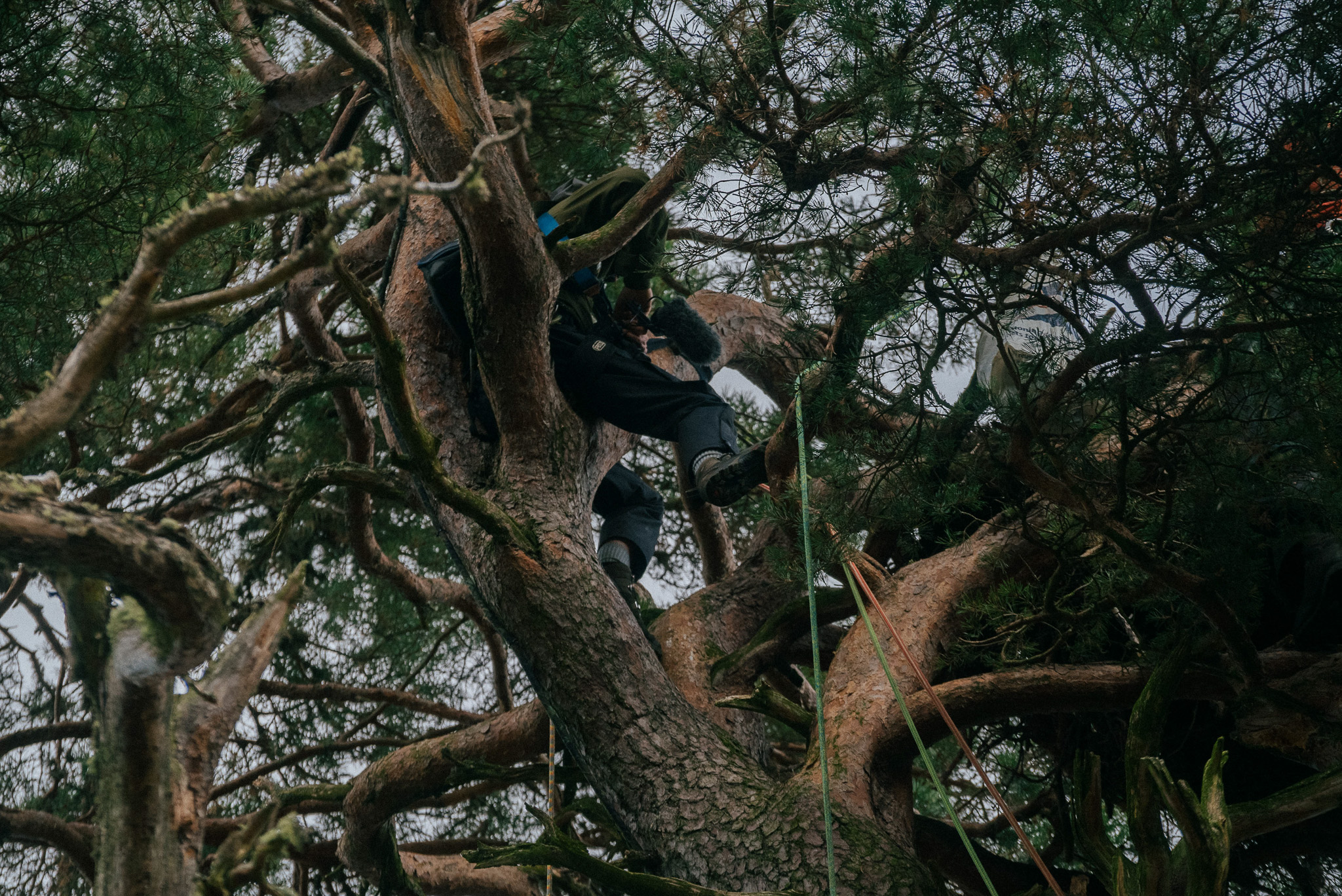
Finbar O’Sullivan/Scout Studio | Sony A7S II | FE 70-200mm f/4 G OSS | 200mm | f/6.3 | 1/500 | ISO 2000
The A7S II is ideal for weddings, documentaries and filmmakers on a budget. Its price isn't too scary these days, either.
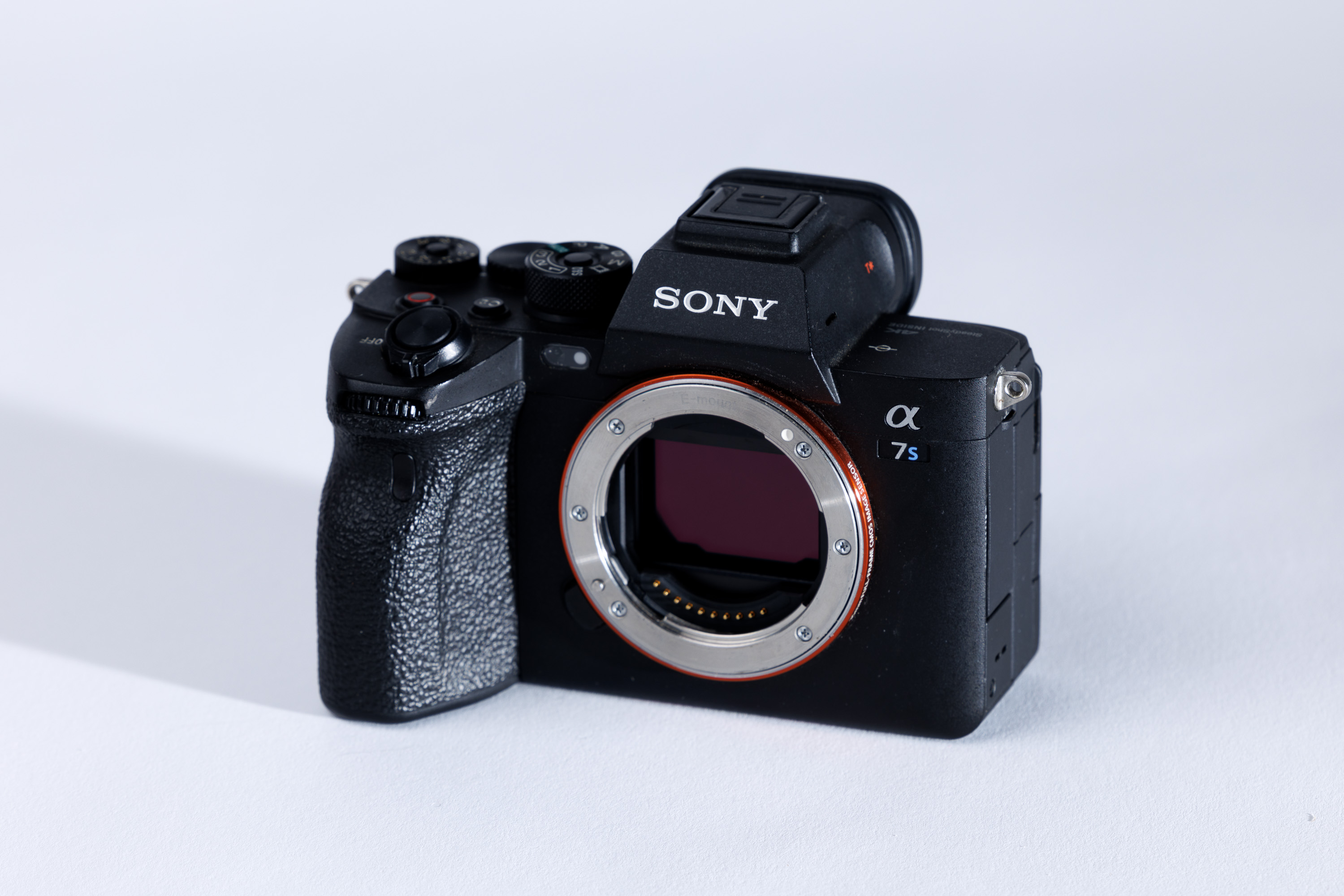
Used Sony A7S III
Sony A7S III (2020)
Typical used price: $1,800–$2,900
Sony clearly wanted the Sony A7S III to be one of its best flagship video-focused full-frame cameras. It packed it with features like 4K recording at up to 120fps, 10-bit color, and excellent autofocus, alongside the low-light performance the A7S series is known for.
Pros
Strong video performance
Excellent low-light image quality
Great autofocus for video
Cons
Lower resolution for still photography
Premium price, even when bought used

If video is your priority, this is the A7 body to buy. We challenged filmmaker Teja Lisjak to spend 24 hours photographing London with the A7S III, and she proved that it's just as good for photography as it is with the record button. Here’s her Sony A7S III review.
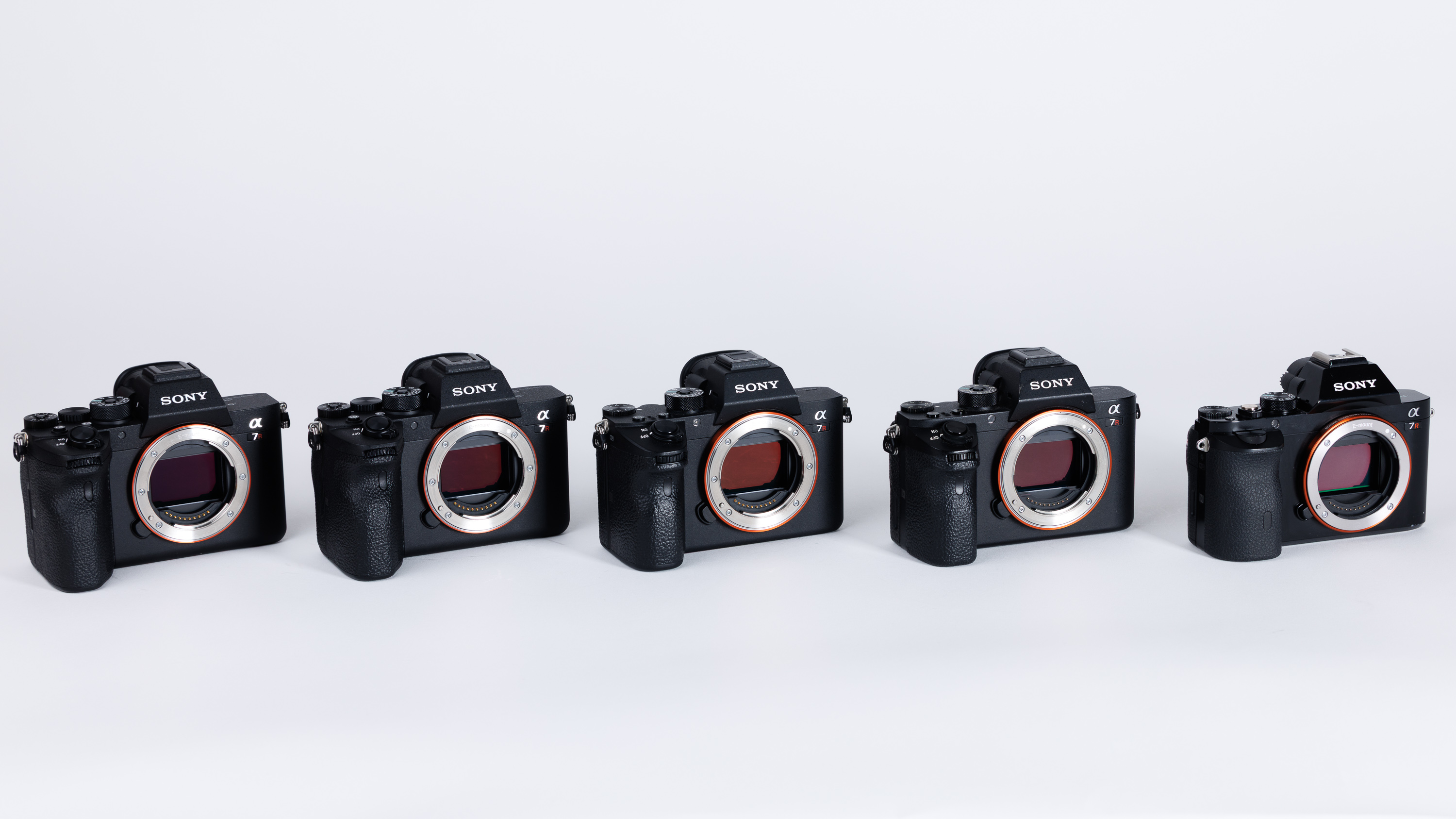
Used Sony A7R series. From L-R: A7R V, A7R IV, A7R III, A7R II, A7R
Sony A7R series (2013–)
Some photos deserve every bit of detail you can capture. Enter the Sony A7R series. The "R" stands for resolution, with these cameras designed for photographers who regularly shoot landscapes, studio work, commercial projects or anything destined for a large print.
| A7R | A7R II | A7R III | A7R IV | A7R V |
Release year | 2013 | 2015 | 2017 | 2019 | 2022 |
Sensor size | Full-frame | Full-frame | Full-frame | Full-frame | Full-frame |
Stacked | No | No | No | No | No |
BSI | No | Yes | Yes | Yes | Yes |
Megapixels | 36.4 | 42.4 | 42.4 | 61 | 61 |
Processor | Bionz X | Bionz X | Bionz X | Bionz X | Bionz XR |
AI unit | No | No | No | No | Yes |
IBIS | No | Yes | Yes | Yes | Yes |
IBIS stops | - | 4.5 | 5.5 | 5.5 | 8 |
ISO, min | 100 | 100 | 100 | 100 | 100 |
ISO, max | 25600 | 25600 | 32000 | 32000 | 32000 |
ISO, exp | 25600 | 102400 | 102400 | 102400 | 102400 |
Autofocus pts | 25 | 399 | 399 | 567 | 693 |
Burst, fps | 4 | 5 | 10 | 10 | 10 |
Shutter | Mech | Dual | Dual | Dual | Dual |
Shutter, mech | 1/8000 | 1/8000 | 1/8000 | 1/8000 | 1/8000 |
Shutter, elec | - | 1/8000 | 1/8000 | 1/8000 | 1/8000 |
Max video | 1080 60p | 4K 30p | 4K 30p | 4K 30p | 8K 24p |
Slow-mo | - | - | 1080 120p | 1080 120p | 1080 120p |
EVF res, m | 2.36 | 2.36 | 3.69 | 5.76 | 9.44 |
LCD type | Tilting | Tilting | Tilting | Tilting | 4-axis multi |
LCD size, in | 3 | 3 | 3 | 3 | 3.2 |
LCD dots, m | 1.23 | 1.23 | 1.44 | 1.44 | 2.1 |
Battery | NP-FW50 | NP-FW50 | NP-FZ100 | NP-FZ100 | NP-FZ100 |
Est shots | 340 | 340 | 650 | 670 | 530 |
Card slots | Single | Single | Dual | Dual | Dual |
Card slot 1 | SD-I | SD-I | SD-II | SD-II | CFx-A, SD-II |
Card slot 2 | - | - | SD-I | SD-II | CFx-A, SD-II |
Wi-Fi, GHz | 2.4 | 2.4 | 2.4, 5 | 2.4, 5 | 2.4, 5 |
Bluetooth | No | No | 4.1 | 4.1 | 4.1 |
USB | Micro-B | Micro-B | C | C | C |
HDMI | Micro | Micro | Micro | Micro | Micro |
Ethernet | No | No | No | No | No |
Weight, g | 465 | 625 | 657 | 665 | 723 |
The extra megapixels in this series free you up to crop and pull out the finer details. The trade-off is larger file sizes, so get your memory cards at the ready.
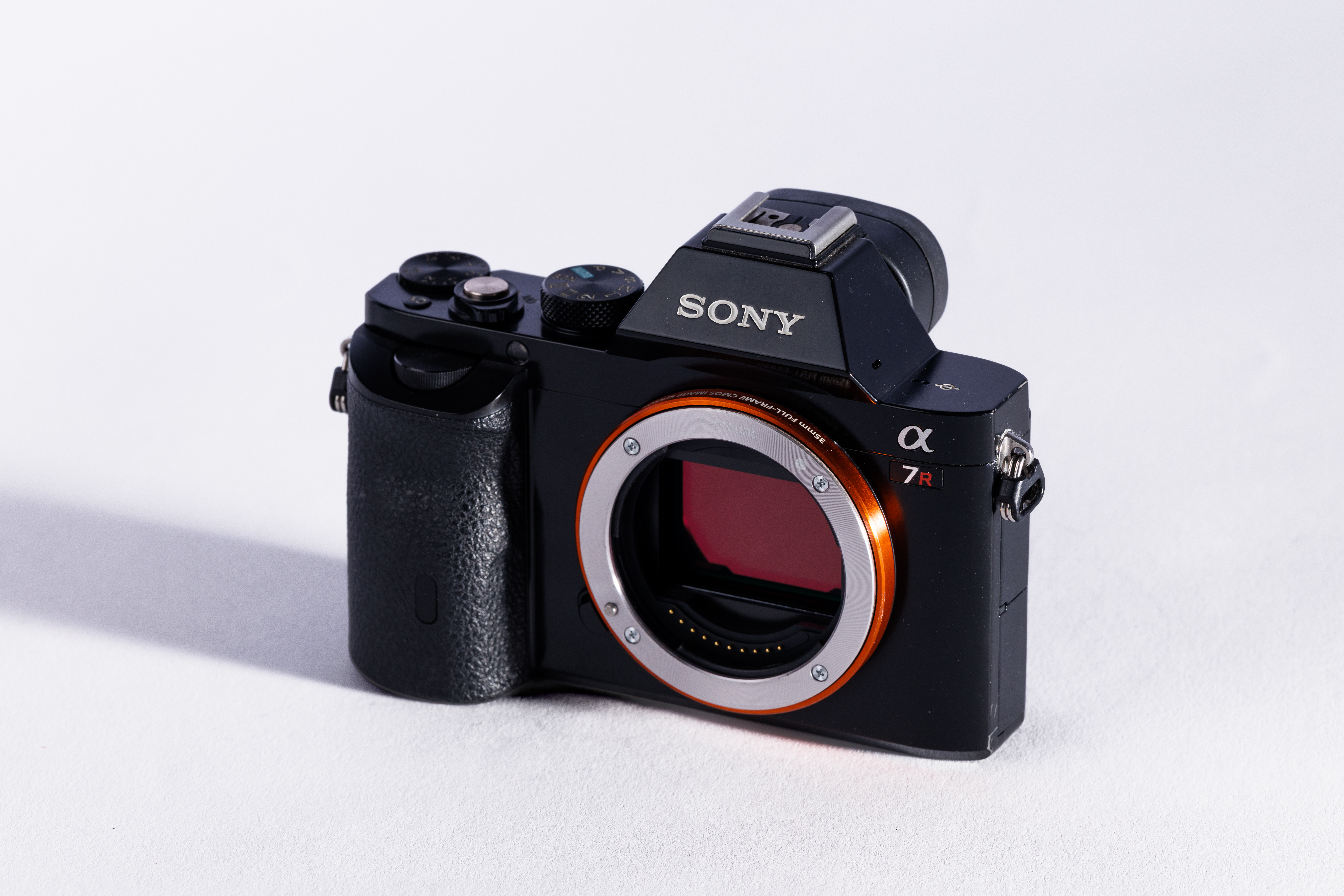
Used Sony A7R
Sony A7R (2013)
Typical used price: $310–$750
The original Sony A7R came onto the scene in 2013 with a 36.4 megapixel full-frame sensor and no optical low-pass filter. It caught the attention of landscape and studio photographers who wanted as much detail as they could squeeze from a compact mirrorless camera.
Pros
Excellent image quality
Compact for a full-frame camera
Great value bought used
Cons
Slower autofocus than later models
Older battery and handling
The Sony A7R is still best suited to slower, more considered photography, like landscapes, architecture, still life or portraits. The autofocus and battery life feel dated compared to newer Sony cameras, but if you're buying your first full-frame body, you may not even notice. It's an affordable entry point to Sony's high-resolution lineup, and it’ll give you lots of room to grow.
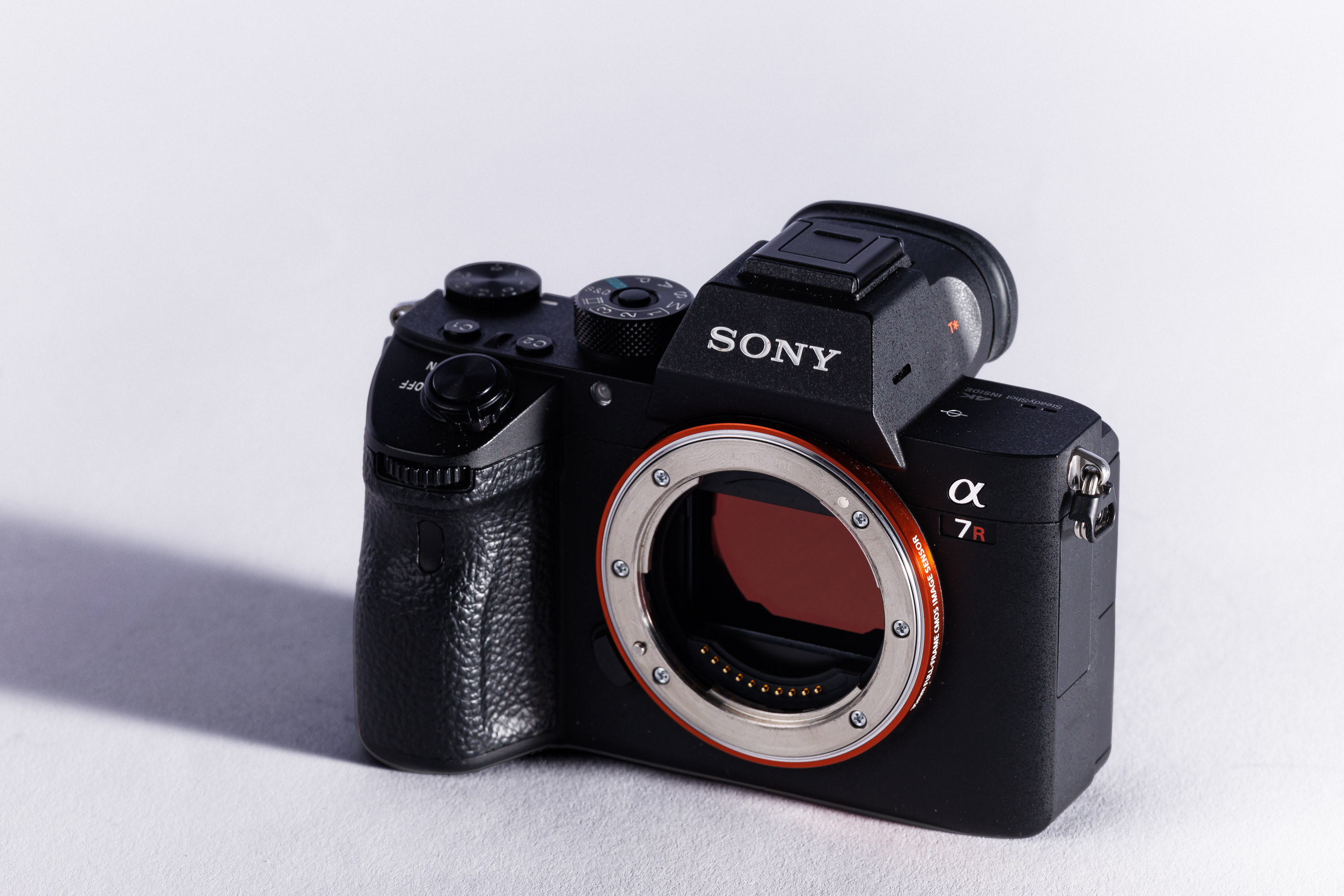
Sony A7R II (2015)
Typical used price: $420–$800
Don’t be fooled by the Sony A7R II's age. 2015 may feel like a distant memory, but photographers were very happy with its beautifully detailed images when it launched. This was a huge step forward for the A7R series, introducing a new 42 megapixel sensor, much faster autofocus and the type of low-light performance that gave A7R owners reasons to upgrade.
Pros
42 megapixel image quality
Better autofocus than the original A7R
Great value bought used
Cons
Older battery and single card slot
Slower than newer A7R models

Kilian Schönberger | Sony A7R II | Sigma 24mm f/3.5 DG DN FE | 24mm | f/11 | 4/5 sec | ISO 200
Landscape photographer Kilian Schönberger, who has a color vision deficiency, uses the Sony A7R II to photograph the forest floors of his native Germany. He shows off some of his frankly outrageous shots in Forest Photography: Top 10 Photo Locations in Germany.
If you're buying it used today, the A7R II is another handy entry point to Sony's high-resolution lineup. You won’t have to worry about stretching your budget to Sony A7R V heights, either.
Used Sony A7R III
Sony A7R III (2017)
Typical used price: $660–$1,100
It was 2017 when Sony's high-resolution cameras hit their stride. The release of Sony A7R III saw no change to the A7R II’s 42 megapixel sensor (remember: you’ll need to look later in the A7R range if you want those 60 megapixels), but it still meant fast autofocus that can steady fast-moving subjects, handy dual card slots, quicker continuous shooting and reliable battery life.
Pros
Excellent 42 megapixel image quality
Big improvements to battery life and autofocus
Great value
Cons
Lower resolution than newer A7R models
Older menu system
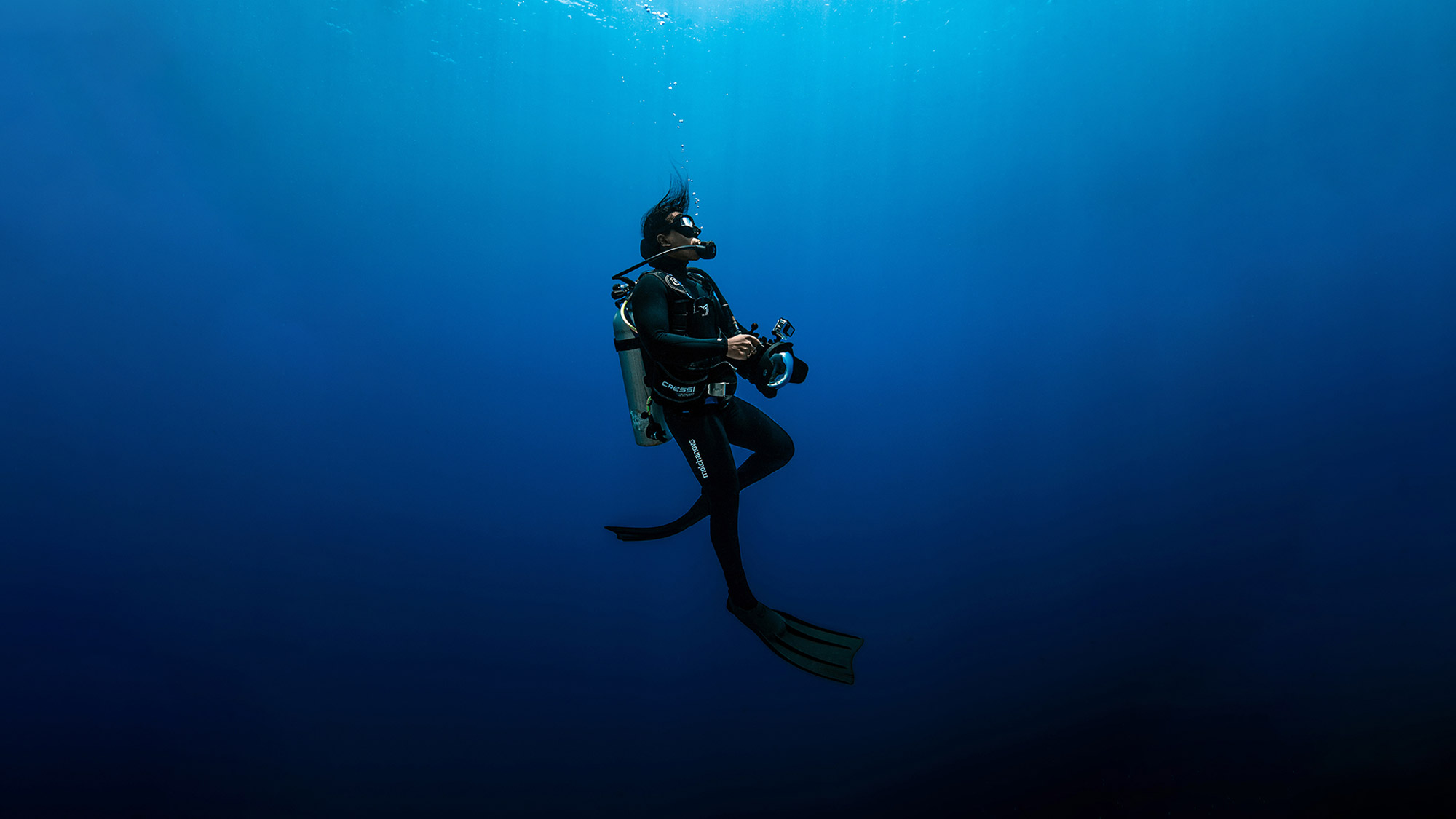
Kaushiik Subramaniam
Wildlife conservation biologist and underwater photographer Kaushiik Subramaniam uses the Sony A7R III to photograph marine life. In his 10 Tips for Underwater Wildlife Photography guide, you’ll find out how he squeezes the most out of it (and why he prefers shooting with it over a GoPro).
The A7R III is also well-suited to landscapes, portraits and commercial work. Thinking it could be your next camera? Our Sony A7R III model overview will help you decide.
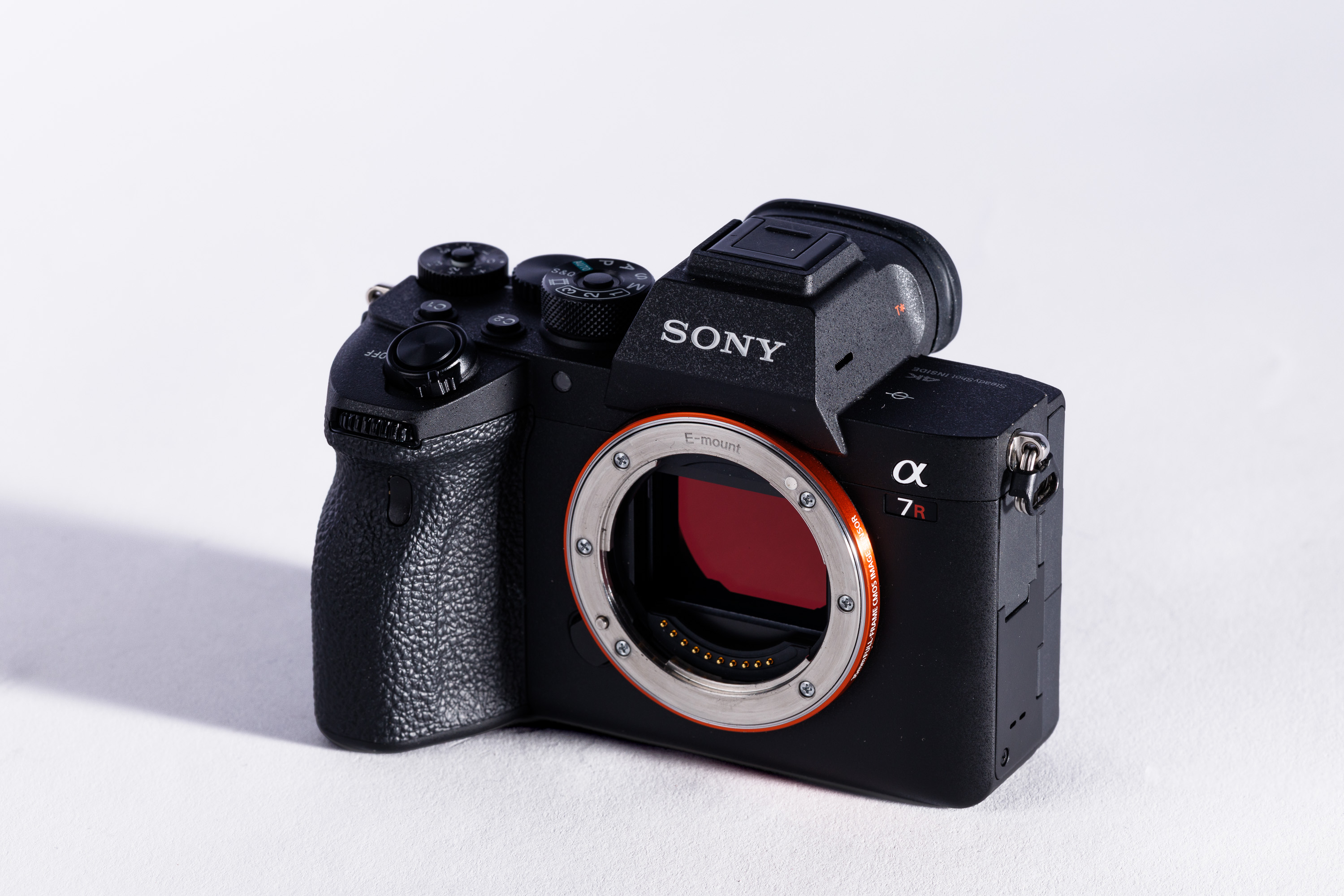
Used Sony A7R IV
Sony A7R IV (2019)
Typical used price: $860–$1,600
The Sony A7R IV was a big brand moment for Sony because this is where the 61 megapixel sensor was introduced. It continues to underpin the latest A7R models, making it a strong choice if you regularly crop your images.
Pros
Superb 61 megapixel image quality
Great autofocus and dynamic range
Flexibility for cropping
Cons
Large file sizes
Newer autofocus systems are more capable

Sony A7R IV | FE 200-600mm f/5.6-6.3 G OSS | 300mm | 1/4000 | f/6.3 | ISO 2500
Wildlife photographer Sasan Amir uses the Sony A7R IV to take incredible images of animals around the world. You can see more of his work in our MPB Meets: Wildlife Photographer Sasan Amir interview, where he shares his creative process and tips for getting started in wildlife photography.
If landscapes, studio photography or large prints are your thing, the A7R IV is a great shout. Building on the autofocus perks of previous A7R models, it’s an all-rounder that’s perfectly paired with fast-moving subjects. If you want to dive into the specs, our Sony A7R IV model overview covers everything you need to know.
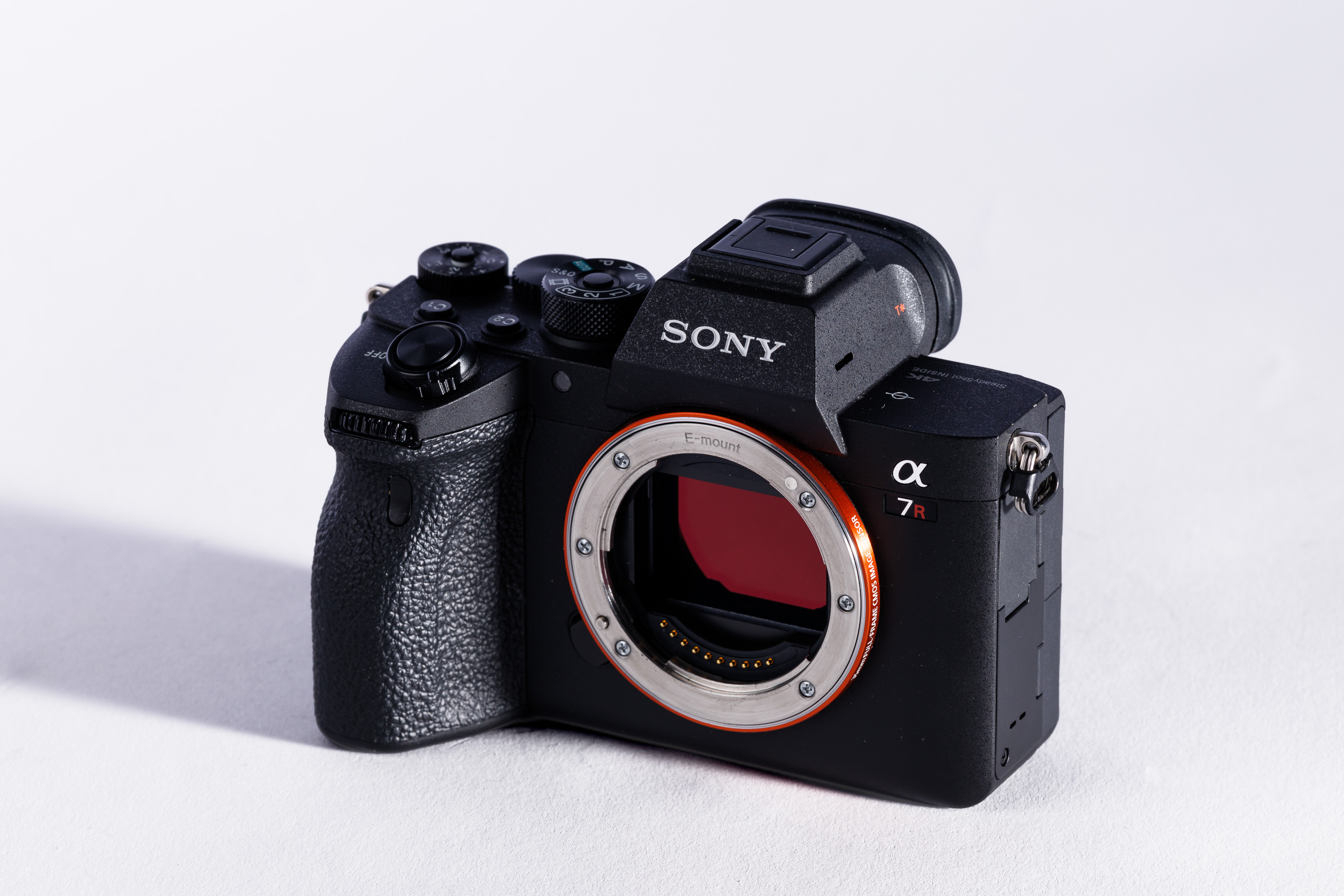
Used Sony A7R IVA
Sony A7R IVA (2021)
Typical used price: $900–$1,700
Next up: the Sony A7R IVA, which is a barely noticeable revision of the Sony A7R IV. It does have a higher-resolution rear screen (1.6x more dots) and improved Eye AF, so if you want to take excellent high-resolution images and this one’s in your budget, don’t let the fact that it’s not much of an improvement stop you.
Pros
Superb 61 megapixel image quality
Improved screen and autofocus over the A7R IV
Good for studio and commercial work, landscapes
Cons
Only modest updates over the A7R IV
Large file sizes
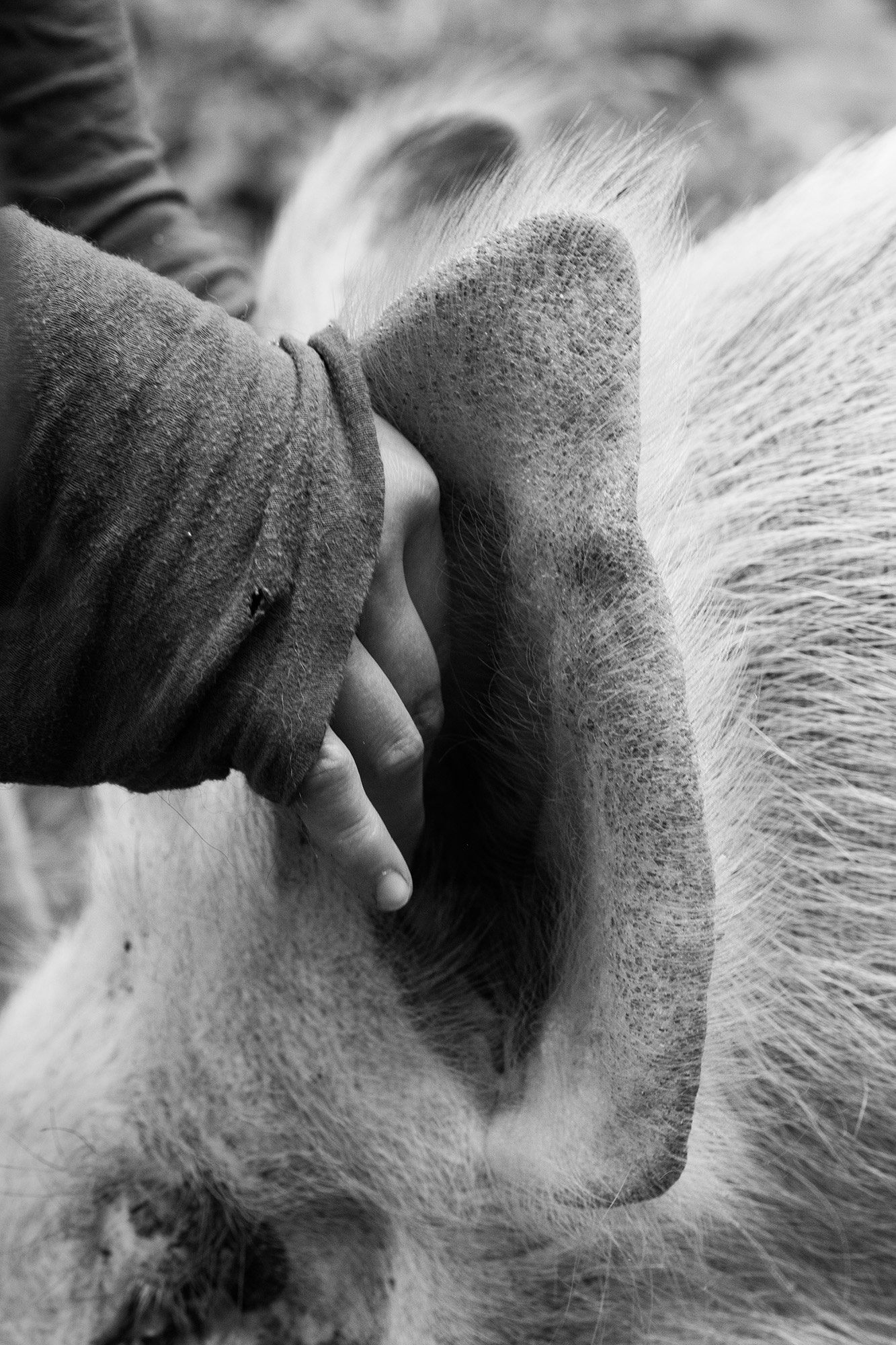
Yana Wernicke | Sony A7R IVA | Sony FE 55mm f/1.8 ZA | 55mm | f/5.6 | 1/250 | ISO 320
Animal photographer Yana Wernicke used the Sony A7R IVA while photographing at an animal sanctuary. You can see more of her work in our MPB Meets: Yana Wernicke interview, where she also shares her top tips for getting started in animal photography.
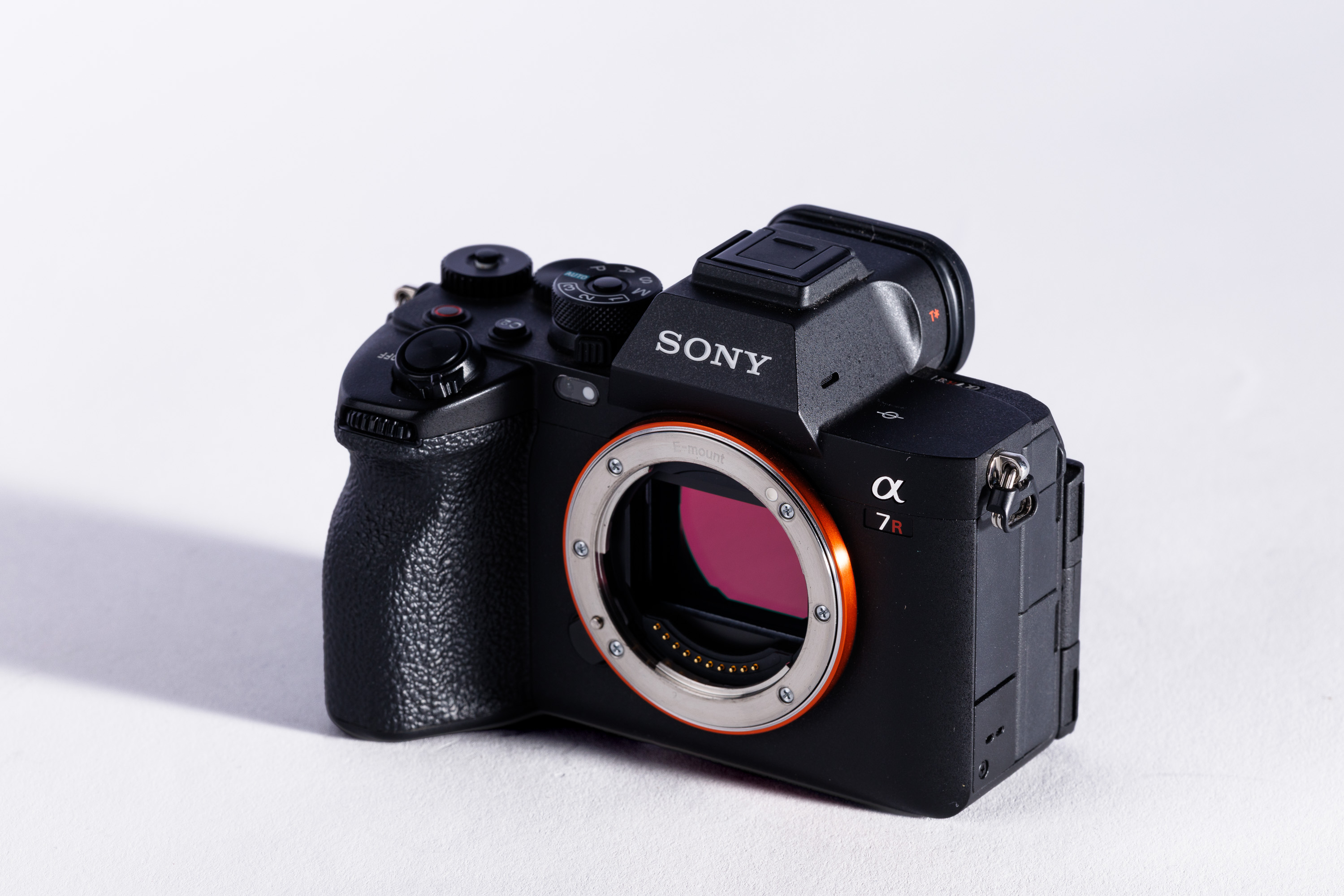
Used Sony A7R V
Sony A7R V (2022)
Typical used price: $1,500–$2,500
So you want detail? Here’s the Sony A7R V. The 61 megapixel sensor stayed put, but autofocus, image stabilization and handling were ramped up.
Pros
Incredible image detail
Excellent image stabilization
Plenty of flexibility for cropping
Cons
Large file sizes
More resolution than many photographers need
It’s a good companion when photographing landscapes, portraits or commercial work. Landscape Photographer Jude Allen took it to Banff National Park to test it on sweeping mountain landscapes and handheld shots in low light. Read his full Sony A7R V review and see how it got on.
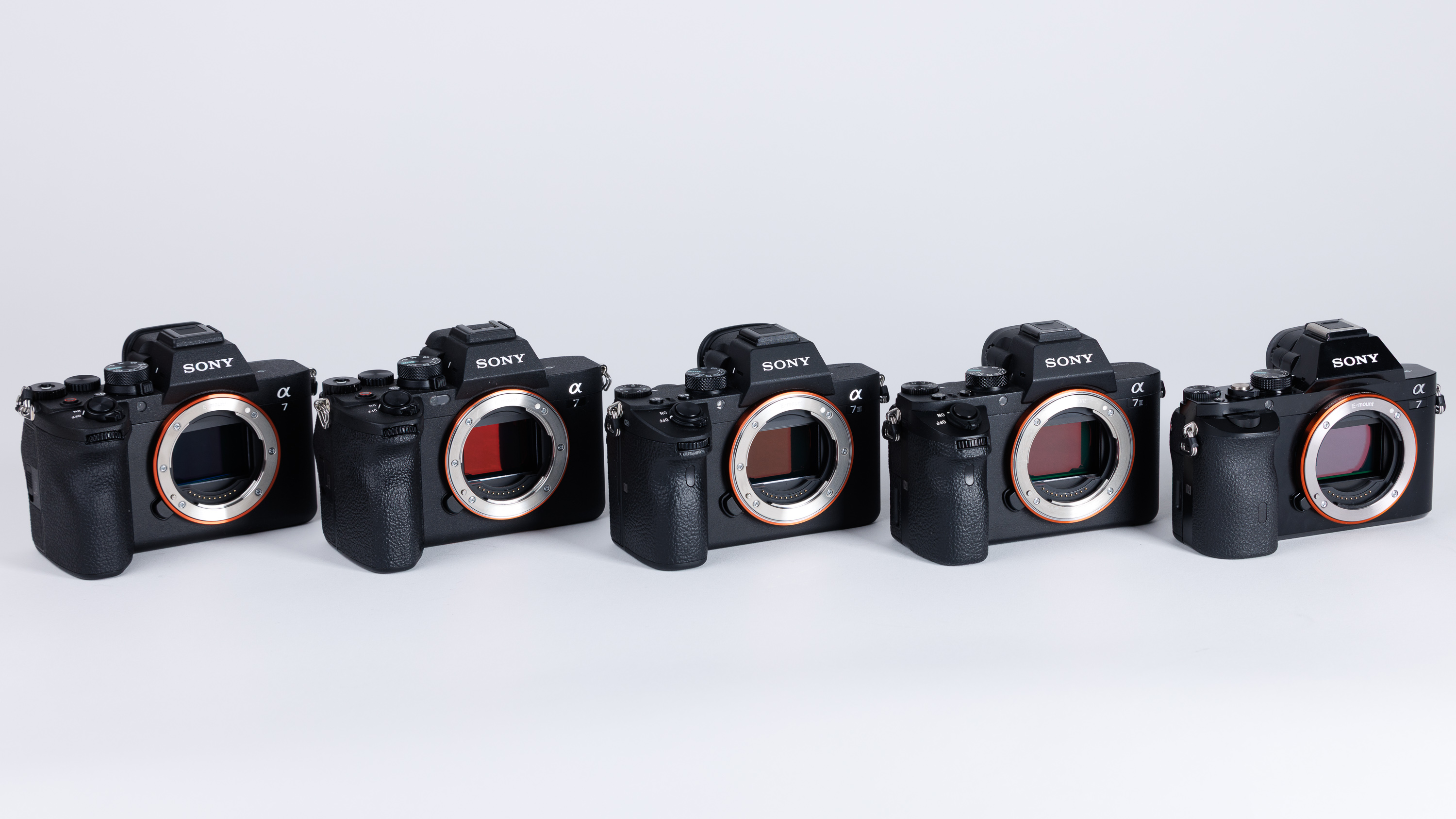
Used Sony A7 series. From L-R: A7 V, A7 IV, A7 III, A7 II, A7
Sony A7 series (2013–)
The A7 series is the class favorite, and the best place for most photographers to start. These cameras have it all: image quality, autofocus, video features, reasonable used prices and, really, they’re the foundation of Sony's Alpha lineup.
| A7 | A7 II | A7 III | A7 IV | A7 V |
Release year | 2013 | 2014 | 2018 | 2021 | 2025 |
Sensor size | Full-frame | Full-frame | Full-frame | Full-frame | Full-frame |
Stacked | No | No | No | No | Partial |
BSI | No | No | Yes | Yes | Yes |
Megapixels | 24.3 | 24.3 | 24.2 | 33 | 33 |
Processor | Bionz X | Bionz X | Bionz X | Bionz XR | Bionz XR2 |
AI unit | No | No | No | No | Yes |
IBIS | No | Yes | Yes | Yes | Yes |
IBIS stops | - | 4.5 | 5 | 5.5 | 7.5 |
ISO, min | 100 | 100 | 100 | 100 | 100 |
ISO, max | 25600 | 25600 | 51200 | 51200 | 51200 |
ISO, exp | 25600 | 51200 | 204800 | 204800 | 204800 |
Autofocus pts | 117 | 117 | 693 | 759 | 759 |
Burst, fps | 5 | 5 | 10 | 10 | 30 |
Shutter | Mech | Mech | Dual | Dual | Dual |
Shutter, mech | 1/8000 | 1/8000 | 1/8000 | 1/8000 | 1/8000 |
Shutter, elec | - | - | 1/8000 | 1/8000 | 1/16000 |
Max video | 1080 60p | 1080 60p | 4K 30p | 4K 60p | 4K 120p |
Slow-mo | - | - | 1080 120p | 1080 120p | 1080 240p |
EVF res, m | 2.36 | 2.36 | 2.36 | 3.69 | 3.69 |
LCD type | Tilting | Tilting | Tilting | Vari-angle | 4-axis multi |
LCD size, in | 3 | 3 | 3 | 3 | 3.2 |
LCD dots, m | 0.92 | 1.23 | 0.92 | 1.03 | 2.1 |
Battery | NP-FW50 | NP-FW50 | NP-FZ100 | NP-FZ100 | NP-FZ100 |
Est shots | 340 | 350 | 710 | 580 | 750 |
Card slots | Single | Single | Dual | Dual | Dual |
Card slot 1 | SD-I | SD-I | SD-II | CFx-A, SD-II | CFx-A, SD-II |
Card slot 2 | - | - | SD-I | SD-II | SD-II |
Wi-Fi, GHz | 2.4 | 2.4 | 2.4 | 2.4, 5 | 2.4, 5, 6 |
Bluetooth | No | No | 4.1 | 4.1 | 5 |
USB | Micro-B | Micro-B | C | C | C |
HDMI | Micro | Micro | Micro | Full-size | Full-size |
Ethernet | No | No | No | No | No |
Weight, g | 474 | 599 | 650 | 658 | 695 |
Since the original A7 launched in 2013, each generation has improved on the last. The A7 II introduced in-body image stabilization, the A7 III brought a huge leap in battery life and autofocus, while the A7 IV and A7 V are meant for today’s photographers who like to shoot video, too.
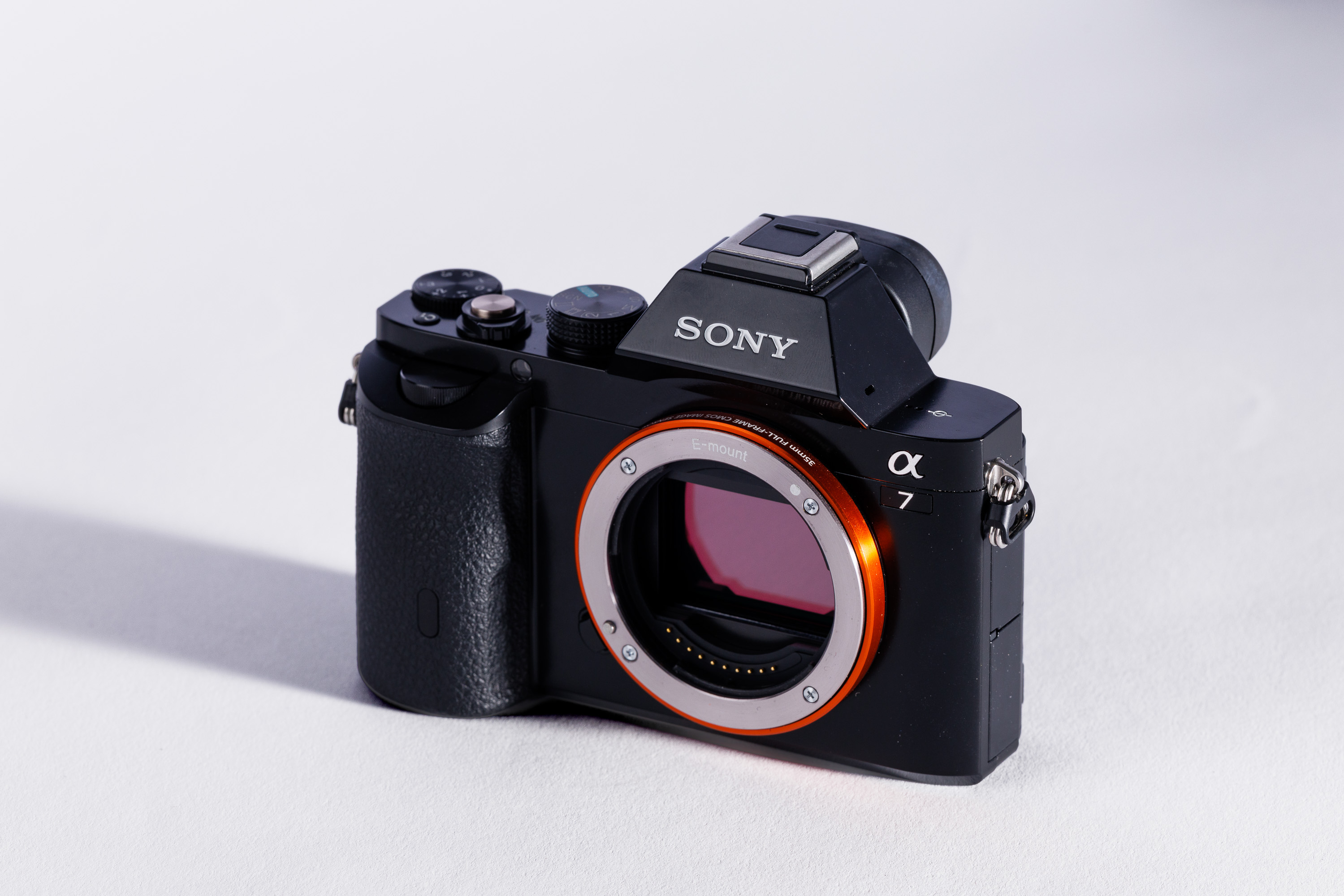
Used Sony A7
Sony A7 (2013)
Typical used price: $230–$540
Before the A7R, A7S, A9, A7C and A1, there was simply... the Sony A7. It's the camera that started Sony's full-frame mirrorless story and laid the foundations for everything that followed.
Pros
Affordable entry into Sony full-frame
Lovely image quality
Compact and lightweight
Cons
Older autofocus system
No in-body image stabilization
Short battery life compared to newer A7 models
The Sony A7 is the camera for you if you take photography at a slower pace. Ideal for travel photos or portraits, it can still produce lovely images, but remember: autofocus and battery life have come a long way since 2013. I still think the Sony A7 is a great starting point. Think of it as a budget-friendly way into Sony's full-frame system, leaving you with more money to spend on the lenses you can use for years.
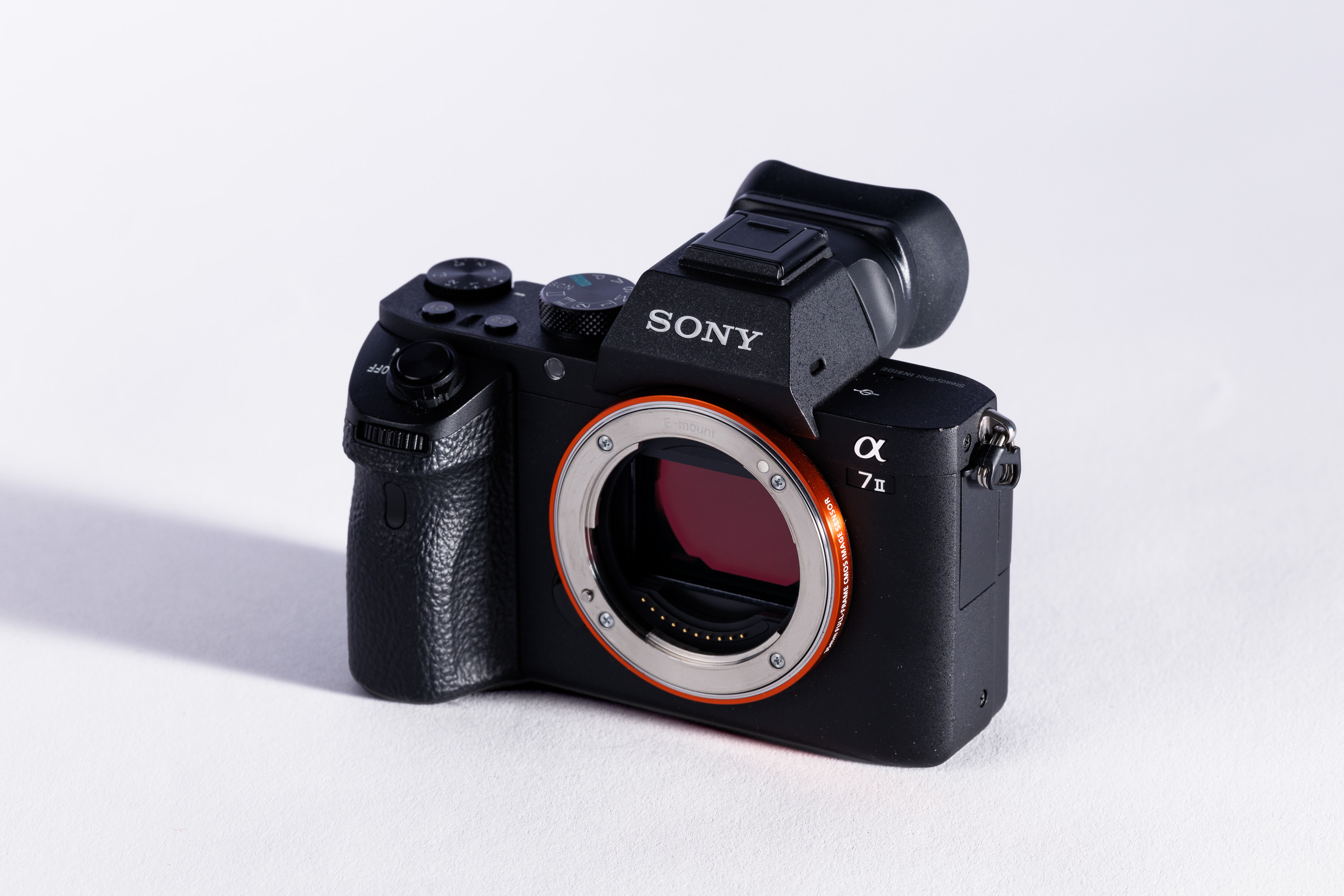
Used Sony A7 II
Sony A7 II (2014)
Typical used price: $660–$1,100
The Sony A7 II introduced 5-axis in-body image stabilization to the A7 series, so handheld shooting was suddenly a breeze. A more comfortable grip and noticeably improved handling also helped the series feel far more polished.
Pros
Budget-friendly entry into Sony full-frame
5-axis in-body image stabilization
Comfortable handling
Cons
Older autofocus system
Short battery life compared to newer A7 models
The A7 II is a wallet-friendly way into Sony's full-frame system. Just bear in mind that autofocus and battery life are much better these days, so you probably won't be photographing cheetahs with the A7 II, and you'll want to pack a few spare batteries. Find out more in our Sony A7 II model overview.
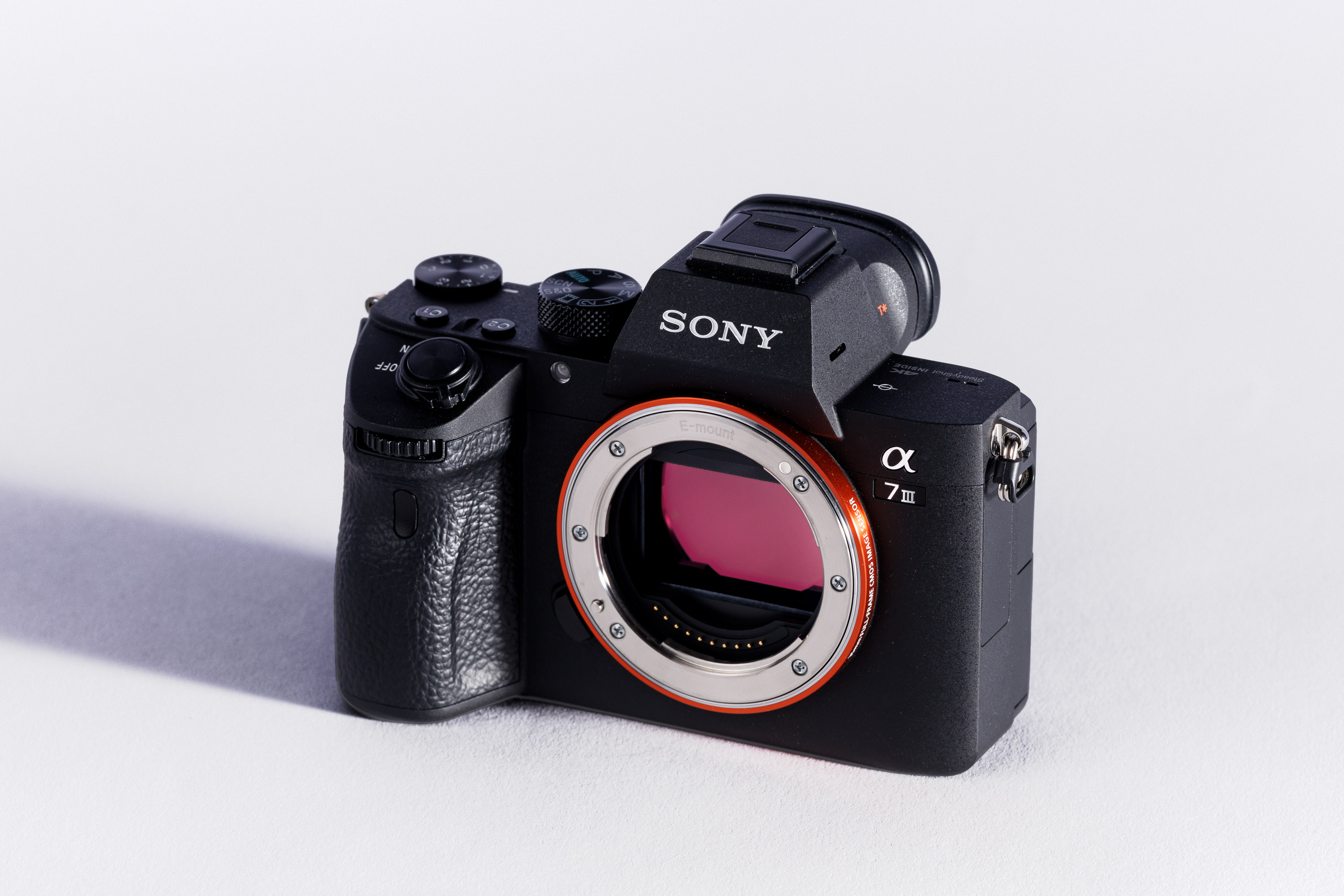
Used Sony A7 III
Sony A7 III (2018)
Typical used price: $660–$1,100
The Sony A7 III cemented the A7 series as Sony's all-rounder range. It brought the larger NP-FZ100 battery from the Sony A9 series, significantly improved autofocus and added dual card slots. It's particularly well-suited to weddings, events and travel photography.
Pros
Good value
Great battery life
Reliable autofocus
Cons
Older video features than the A7 IV and A7 V
No fully articulating screen

Jakub Golis | Sony A7 III | Samyang AF 35mm F/2.8 | 35mm | 1/250 | f/4.0| ISO 100
The A7 III is one of the best-value full-frame cameras you can buy used. I can vouch for that because mine has stayed in my camera bag for years. If you want to see why I keep coming back to it, take a look at my Sony A7 III review, where I fight its corner.
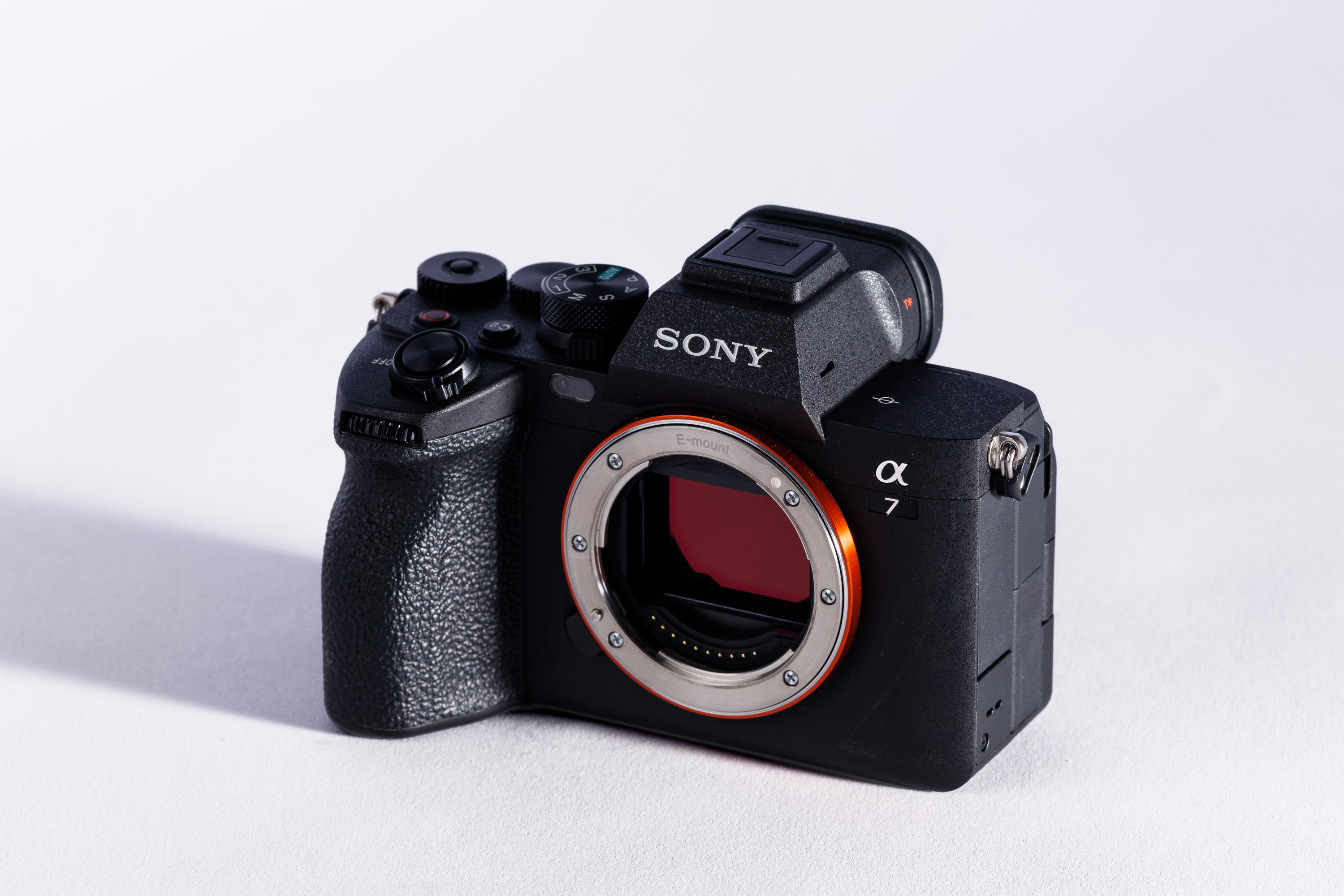
Used Sony A7 IV
Sony A7 IV (2021)
Typical used price: $1,100–$1,700
With stronger video features and a more refined design than the Sony A7 III, the Sony A7 IV was built for photographers and filmmakers who like to switch between stills and video.
Pros
Excellent all-round performance
Great autofocus for photo and video
Cons
More expensive than the A7 III
1.5x crop in 4K 60p video mode

Sony A7 IV | Sony FE 135mm f/1.8 GM | f/1.8 | ISO 100 | 1/2000
Whether you're travelling, shooting weddings or creating content for clients, it's a versatile full-frame camera that won’t waver, whatever you throw at it. It is a little more expensive than the Sony A7 III, though, so I'd only recommend upgrading if video is a big part of what you do, or you want Sony's newer autofocus system.
Commercial photographer Jacob Murray visited the Dolomites in Italy to compare the A7 IV to the Canon EOS R5. Read his full Sony A7 IV review to see why he thinks Sony’s FE mirrorless system comes out on top.
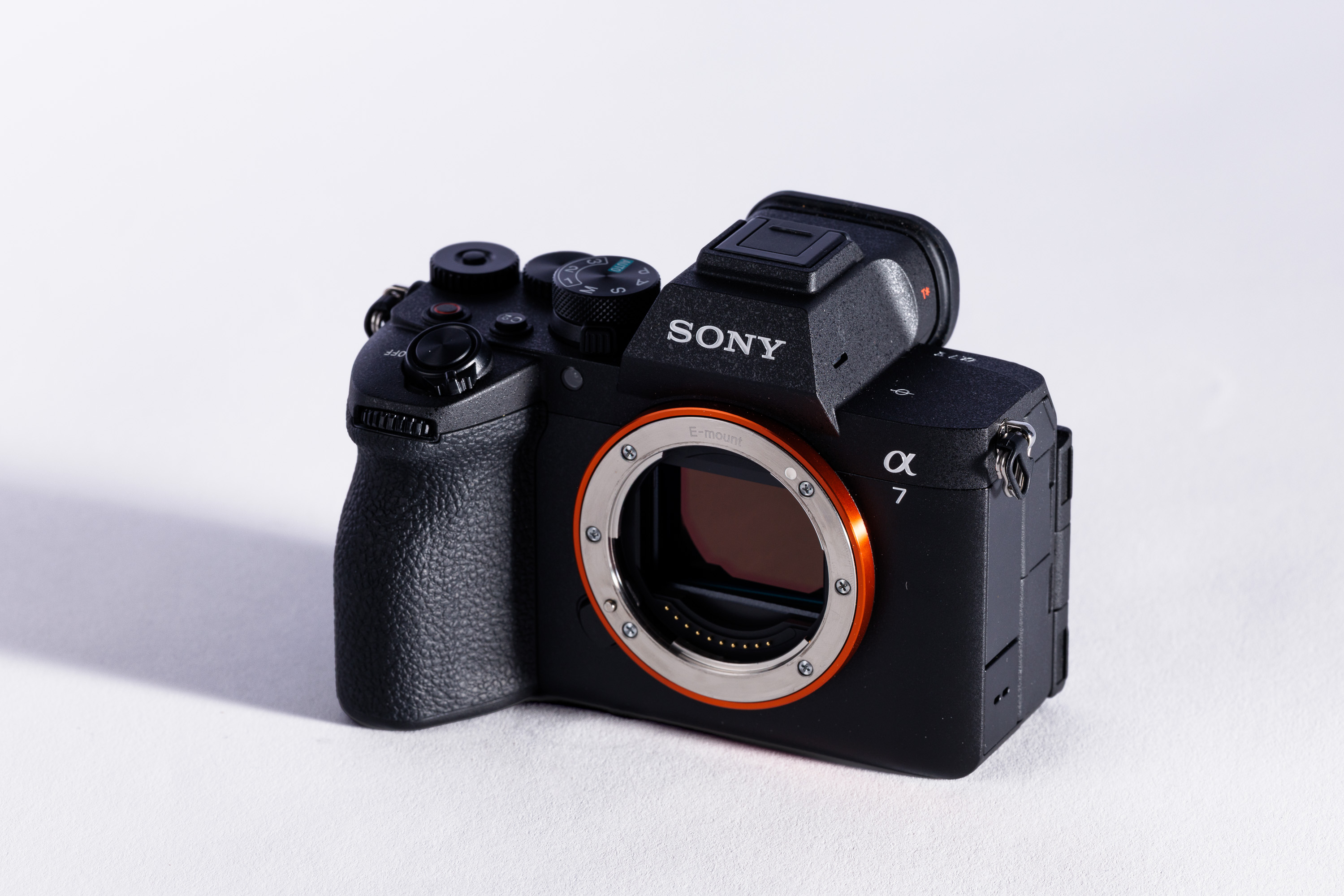
Used Sony A7 V
Sony A7 V (2025)
Typical used price: $1,700–$2,700
The Sony A7 V is essentially a smarter version of the Sony A7 IV, with AI-powered autofocus, improved video features and a faster processor. It's another all-rounder for photographers and filmmakers, making it ideal for weddings, travel, family life and content creation.
Pros
Sony's latest autofocus technology
Excellent all-round performance
Cons
Premium price
A modest upgrade over the A7 IV
The A7 V is for you if you're buying your first Sony full-frame camera and want the latest technology. It’s the premium option in the A7 family, so if you already own an A7 IV and you're on a tight budget, I wouldn’t bother rushing to upgrade.
FAQs
What is the best Sony full-frame camera?
For most photographers, the Sony A7 IV is the best all-around Sony full-frame camera. If you want Sony's flagship model, the A1 II has speed, resolution and advanced video features in a single body.
Which Sony full-frame camera is best for beginners?
The Sony A7 III is one of the best Sony full-frame cameras for beginners. It's affordable when bought used, easy to grow into and still delivers excellent image quality and autofocus.
Is the Sony A7 III still worth buying?
The Sony A7 III remains one of the best-value full-frame cameras you can buy, especially if you're shopping used.
What's the difference between the A7 and A7R?
The A7 is an all-rounder, while the A7R is designed for photographers who need the highest possible resolution. If you shoot studio or commercial work, consider the A7R.
What's the difference between the A7 and A7S?
The A7 is built for everyday photography, while the A7S is designed for video and low-light shooting. A7S cameras trade resolution for stronger video performance.
What's the difference between the A7 and A9?
The A7 is a versatile all-round camera, while the A9 is built for speed. It's the better choice for sports, wildlife and news photography.
Which Sony full-frame camera is best for video?
The Sony A7S III is still Sony's best full-frame camera for video work. If you shoot both photos and video, the A7 IV is a strong option that can do both.
Which Sony full-frame camera is best for wildlife?
The Sony A9 III is Sony's best full-frame camera for wildlife photography. Its autofocus, burst shooting, and global shutter make it ideal for fast-moving subjects.
Can I use APS-C lenses on Sony full-frame cameras?
Sony APS-C lenses will fit full-frame Sony cameras, but the camera will crop the image. For the best image quality, use Sony FE lenses.
Read more camera gear guides on the MPB Content Hub.
You can sell or trade your camera gear to MPB. Get a free instant quote, free insured shipping to MPB, and get paid within days.
Related guides
Guide to Canon EOS R Full-frame Mirrorless Cameras
Canon EOS R mirrorless cameras offer a great balance between performance and portability. Read our guide to the Canon R series full-frame mirrorless cameras.
Guide to Fujifilm X100-series Compact Cameras
Read our Fujifilm X100 series guide, comparing the popular X100, X100S, X100T, X100F, X100V and X100VI compact cameras.

Guide to Fujifilm GFX-series Medium Format Cameras
Dive into our Fujifilm GFX series guide, exploring Fujifilm’s digital medium format cameras, from 2017’s Fujifilm GFX 50S to their latest releases.