
Best EDC Cameras: Everyday Carry Compacts
Published October 8, 2026 by MPB
The Fujifilm X100VI is our best everyday carry camera (EDC) overall. But the best EDC for you is personal. It’s the camera you’ll actually want to take with you every day, to every shoot and every occasion.
You can spend as long as you like staring at spec tables and comparing facts and figures, but we thought having Amy Moore, our Senior Content Producer, test some compacts out for you might help you make a decision faster.
Amy took five cameras to the Isle of Wight, in rain and shine, to compare them on three things that matter in an everyday carry: how good each camera is, its survival factor (basically how well it can handle daily life) and how much fun it is to shoot with.
https://youtu.be/NRo5aFTZTzw?rel=0While the Fujifilm X100VI came out on top, don’t just read that and assume it’s the everyday carry for you. To be fully transparent, Amy actually bought the Ricoh GR IV after shooting this review, which goes to show how considered choosing an EDC should be. If pocketability, image quality or zoom flexibility matter more to you, there are some strong alternatives that Amy will cover.
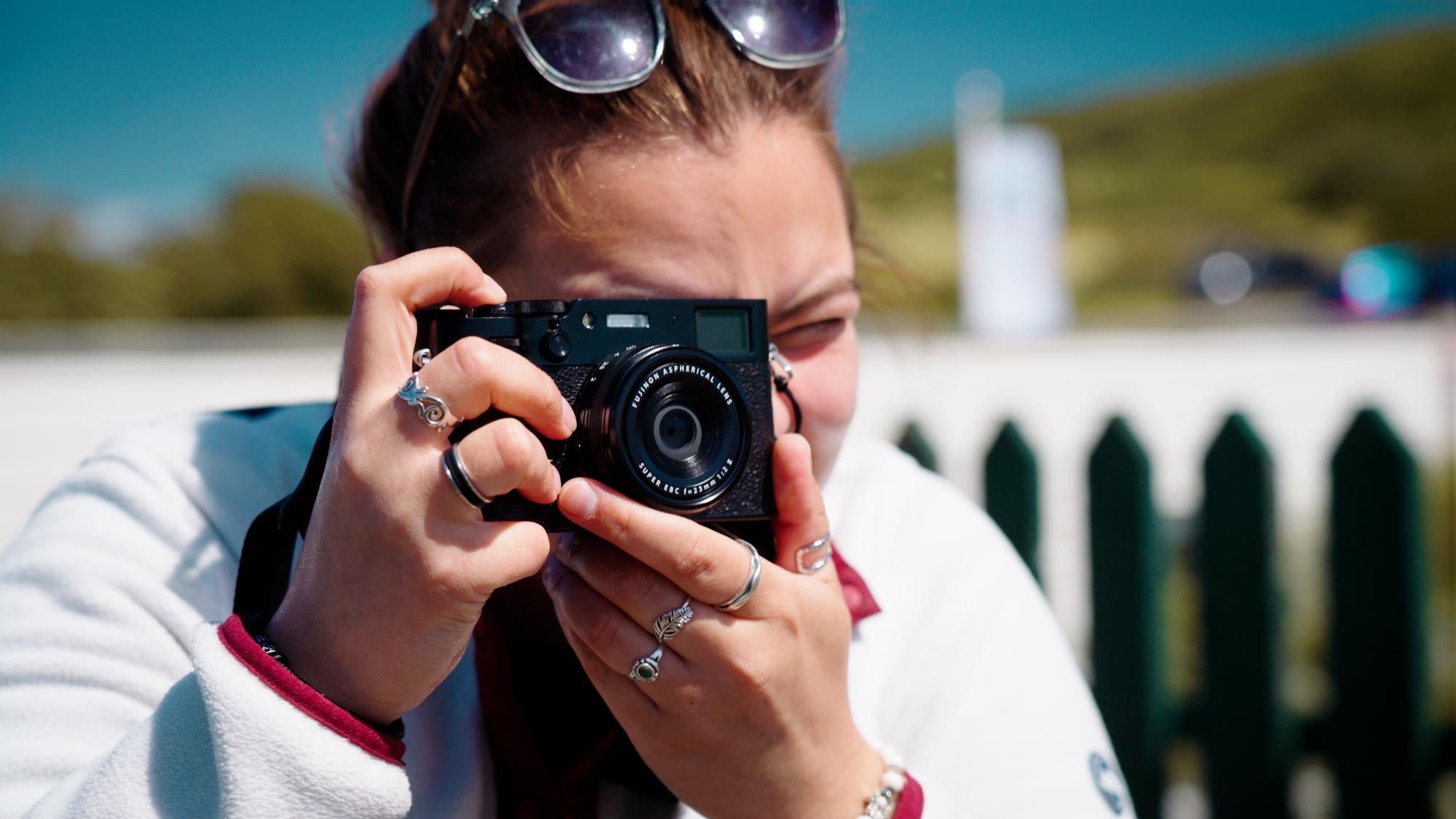
Amy with a used Fujifilm X100VI.
Best EDC cameras at a glance
I may well have announced the Fujifilm X100VI as the best EDC camera in the history of time, but I can say what I want and I have so many more to test out. I’m also now the proud owner of a Ricoh GR IV, so you’ll have to take my verdict with a pinch of salt. The right everyday carry compact for you will ultimately depend on what you’re looking for and what you like best.
Camera | Best | Goodness | Survival | Fun | ||||
Fujifilm X100VI | Overall | 9/10 | 8/10 | 9/10 | ||||
Ricoh GR IV | Pocketable EDC | 8/10 | 7/10 | 9/10 | ||||
Leica Q3 | Image quality | 9.5/10 | 8/10 | 7/10 | ||||
Sony RX100 VII | With a zoom | 6/10 | 6/10 | 8/10 | ||||
Panasonic Lumix L10 | For “fun” photography | 7/10 | 6/10 | 7/10 |
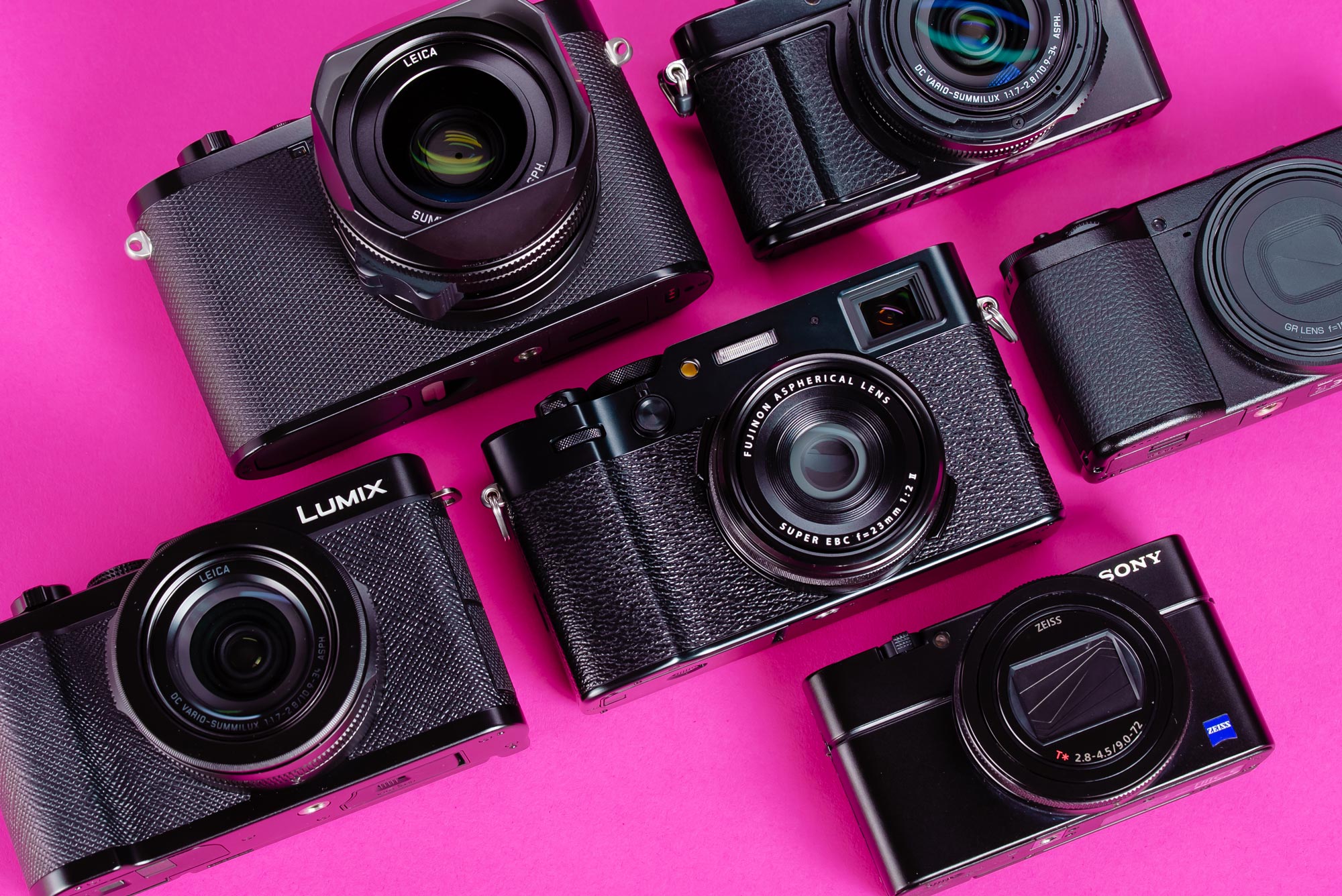
From L-R: A used Panasonic Lumix L10, Fujifilm X100VI, Sony RX100 VII and Ricoh GR IV.
How we chose the best EDC cameras
An “EDC”, or everyday carry camera, has to do more than take good pictures. I judged every camera on this list by asking the same three questions.
How good is it?
First, the obvious question: how good are the photos the camera takes and would you feel proud of them? The things we consider when judging how good an everyday carry is are image quality, sensor performance, autofocus and how much flexibility the files give you.
The lens matters, too. Some of these cameras give you one fixed focal length, while others let you zoom, which can completely change what you’re able to shoot.

Amy Moore | Fujifilm X100VI | 23mm | f/5.6 | 1/2000 | ISO 3200
Can it survive daily life?
An EDC camera needs to be easy to carry and ready when you need it, but to be the real Bear Grylls of cameras, it’ll also need to be weather sealed, have a robust build and a screen that can take some knocks, while still being practical to use.
Is it fun to use?
Whether an everyday carry camera is fun to use is obviously more subjective, but I think it’s just as important as the other factors. A technically brilliant camera isn't much use as an EDC if you never feel like picking it up. All those little features that make you want to get out and shoot are important, too. That’s what photography is all about, right?
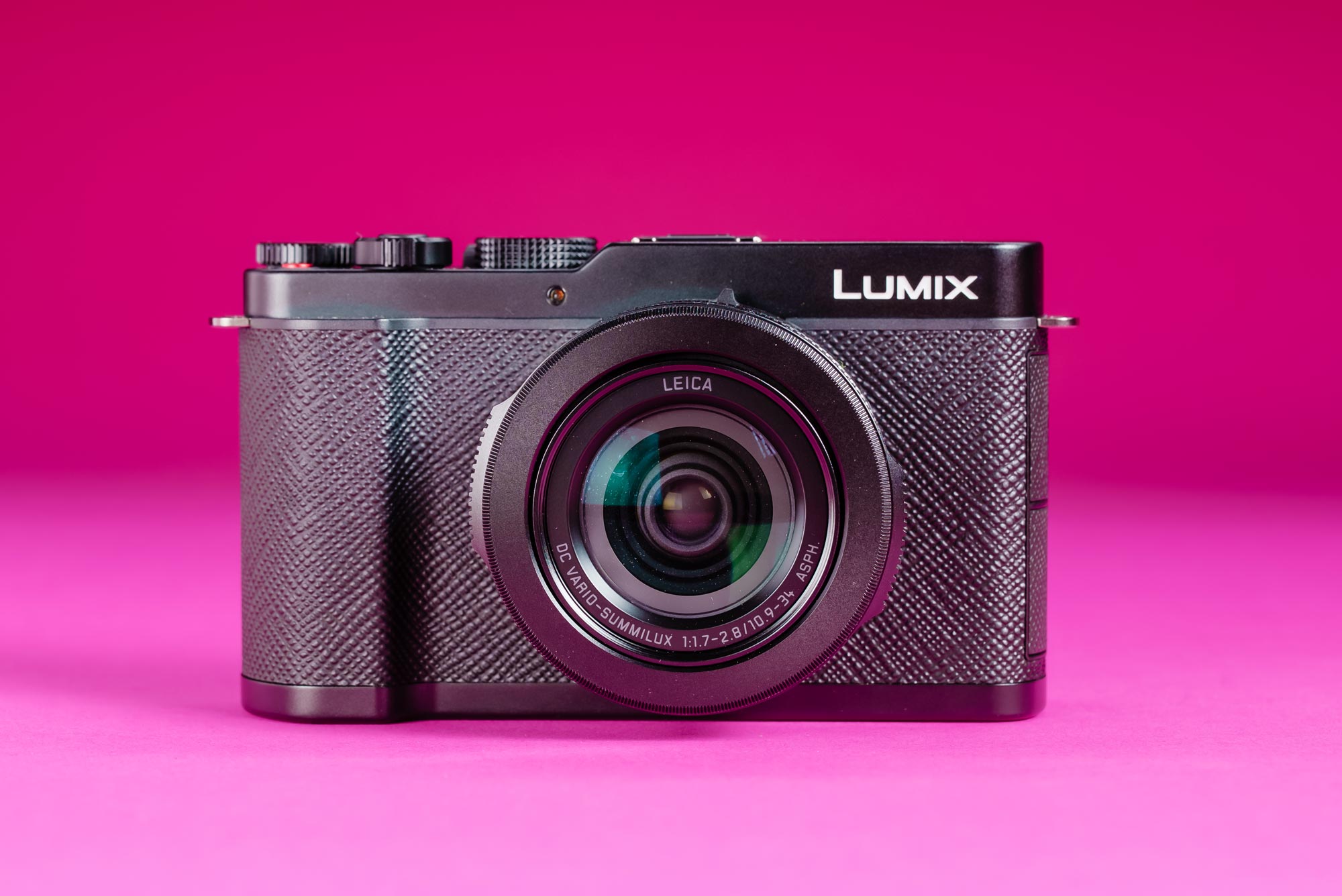
Used Panasonic Lumix L10
Panasonic Lumix L10
The Panasonic Lumix L10 is a photography-first compact built around a 26.5-megapixel Four Thirds-type sensor.
How good is it?
You’re going to get images you’re happy with when you shoot with the Panasonic Lumix L10. Its zoom lens means you’re not stuck with one view of the world, which is useful because, let’s be honest, sometimes the best shoots are the unplanned ones.
Real-time LUTs are a nice addition because you can apply different looks in-camera, so you can forget about editing later. Brilliant for holiday snaps.
The video footage is good too but nothing to write home about.
Goodness: 7/10
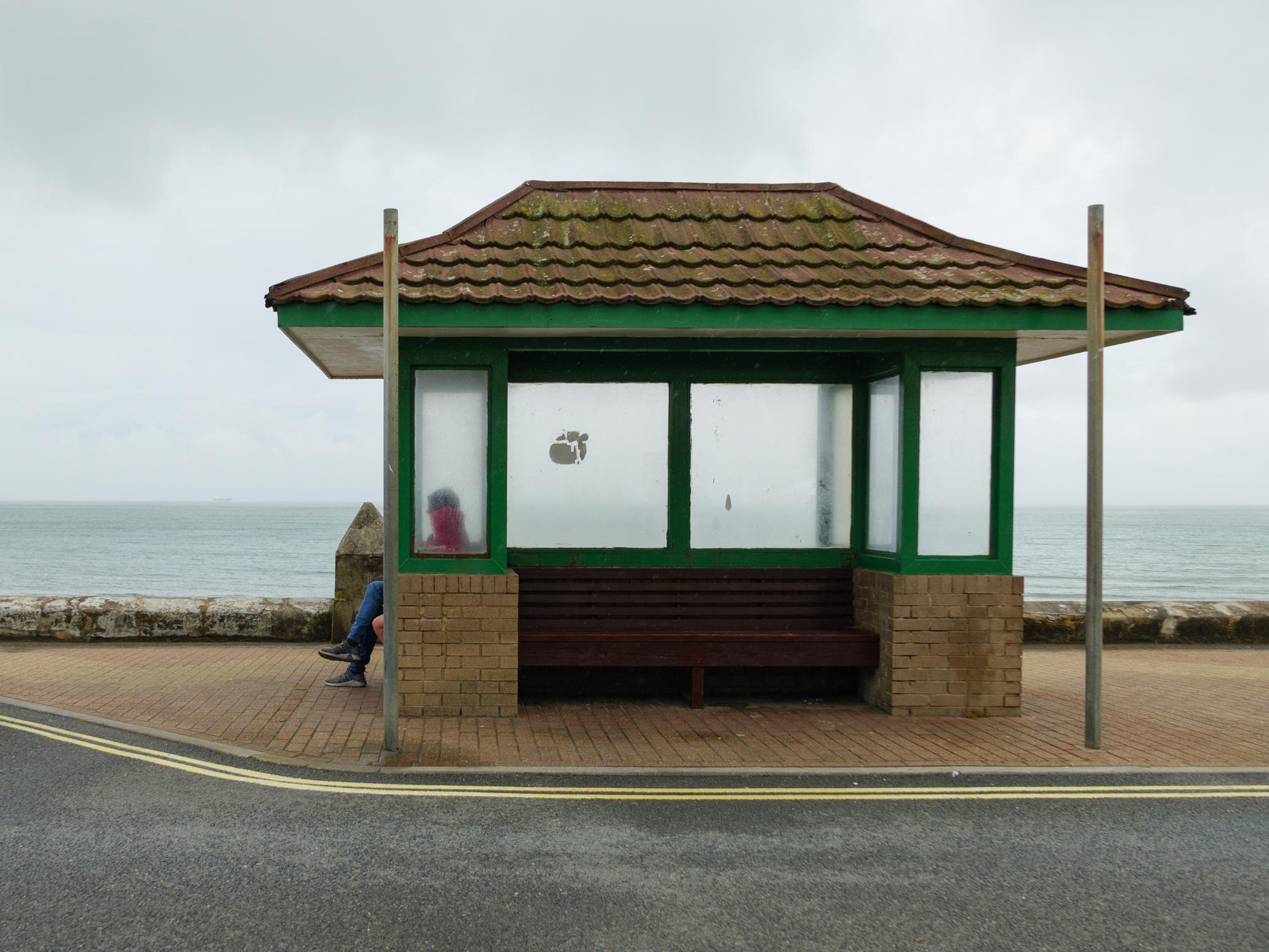
Amy Moore | Panasonic Lumix DC-L10 | Leica DC Vario-Summilux | 10.9mm | f/4.0 | 1/640 | ISO 200
Can it survive daily life?
If you’re out and about on a bright day and the rear screen gets a little difficult to see, the Panasonic Lumix L10’s viewfinder is a failsafe option, which makes it good for all sorts of circumstances. The flip-out screen gives you more flexibility, though I found shooting from the hip difficult with the camera on its strap.
What lets the Panasonic Lumix L10 down is the lack of weather sealing. If you live in Britain like I do, whether or not your camera can survive the rain isn’t subjective, even after 2026’s bone-dry summer.
Survival: 6/10
Is it fun to use?
The Lumix L10’s aperture ring is so satisfying, as is the physical aspect-ratio switch. I like how hands-on it feels. Twisting dials and flicking switches make you want to experiment a bit more. It may not be perfect, but it’s an enjoyable little camera.
Fun: 7/10
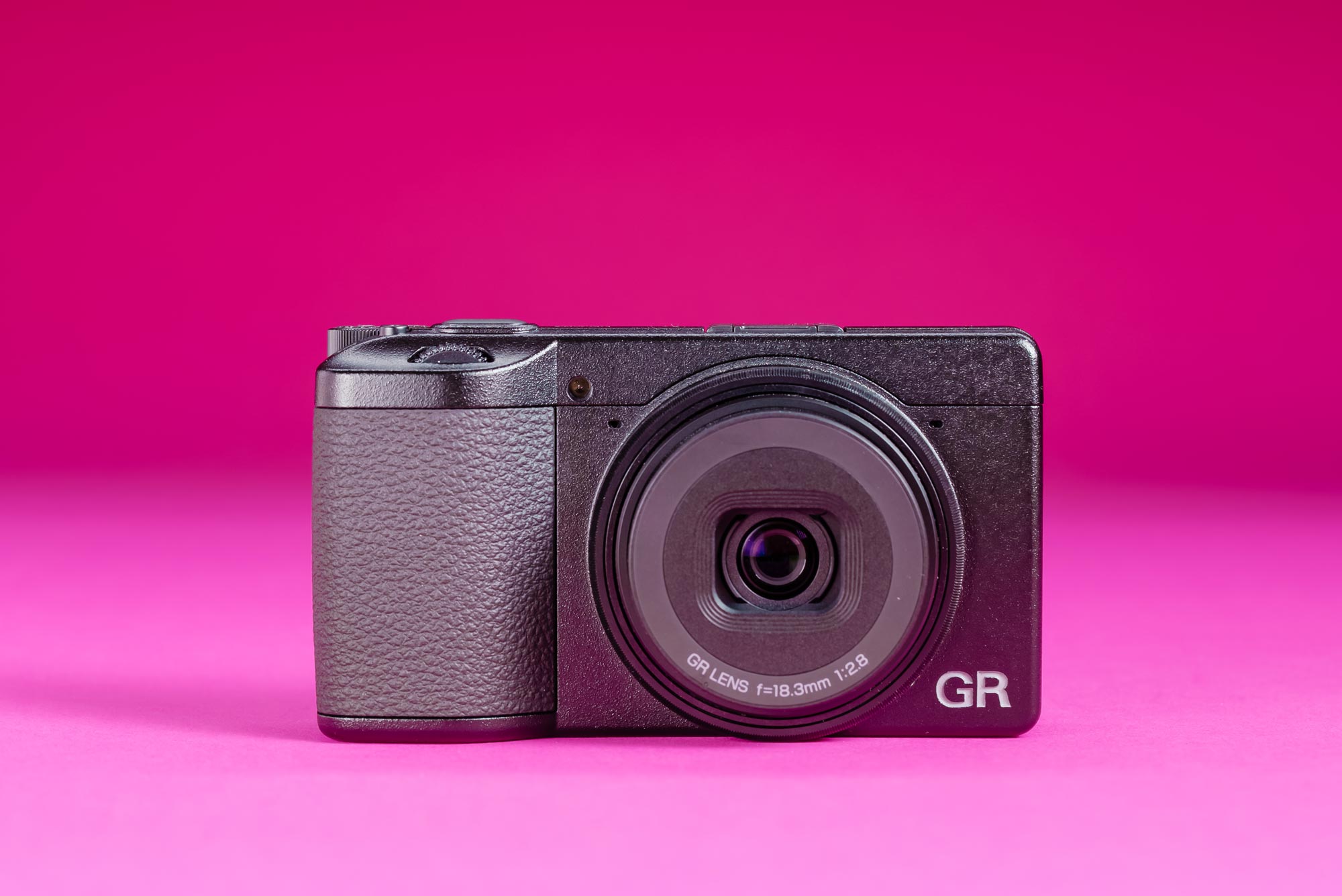
Used Ricoh GR IV
Ricoh GR IV
If the first thing you wonder when you pick up an EDC is “will it fit in my pocket?”, the Ricoh GR IV probably will. Unless you have really small pockets.
How good is it?
Inside the Ricoh GR IV’s tiny body is a 25.75-megapixel APS-C sensor that gives you straight-out-of-camera colours you’ll be happy with. It produces lovely stills and won’t trip up in tricky light, while the RAW files give you lots of flexibility.
Goodness: 8/10
Can it survive daily life?
The Ricoh GR IV may be the smallest camera in our comparison at just 262g, but it comes with some compromises. Those compromises? No weather sealing and no viewfinder. I know Ricoh have chosen to do this to keep it compact but boy do I wish this camera had those things.
In the unlikely event you find yourself on a desert island without a memory card, the Ricoh GR IV’s internal storage and microSD card slot will allow you to keep shooting until the battery dies. The only panic would be getting off the island to edit. I’ve given the Ricoh GR IV a 7/10 here.
Survival: 7/10

Amy Moore | Ricoh GR IV | GR Lens 18.3mm f/2.8 | 18.3mm | f/5.6 | 1/800 | ISO 125
Is it fun to use?
The Ricoh GR IV is compact and perfectly so. I take mine everywhere with me. Its Press Snap feature lets you bypass autofocus, which I also think makes it pretty fun. You can shoot instantly at a preset focus distance, making it an effective little point-and-shoot. Emphasis again on the little. Find out what else makes this one a 9 out of 10 on the fun scale in our Ricoh GR IV review.
Fun: 9/10
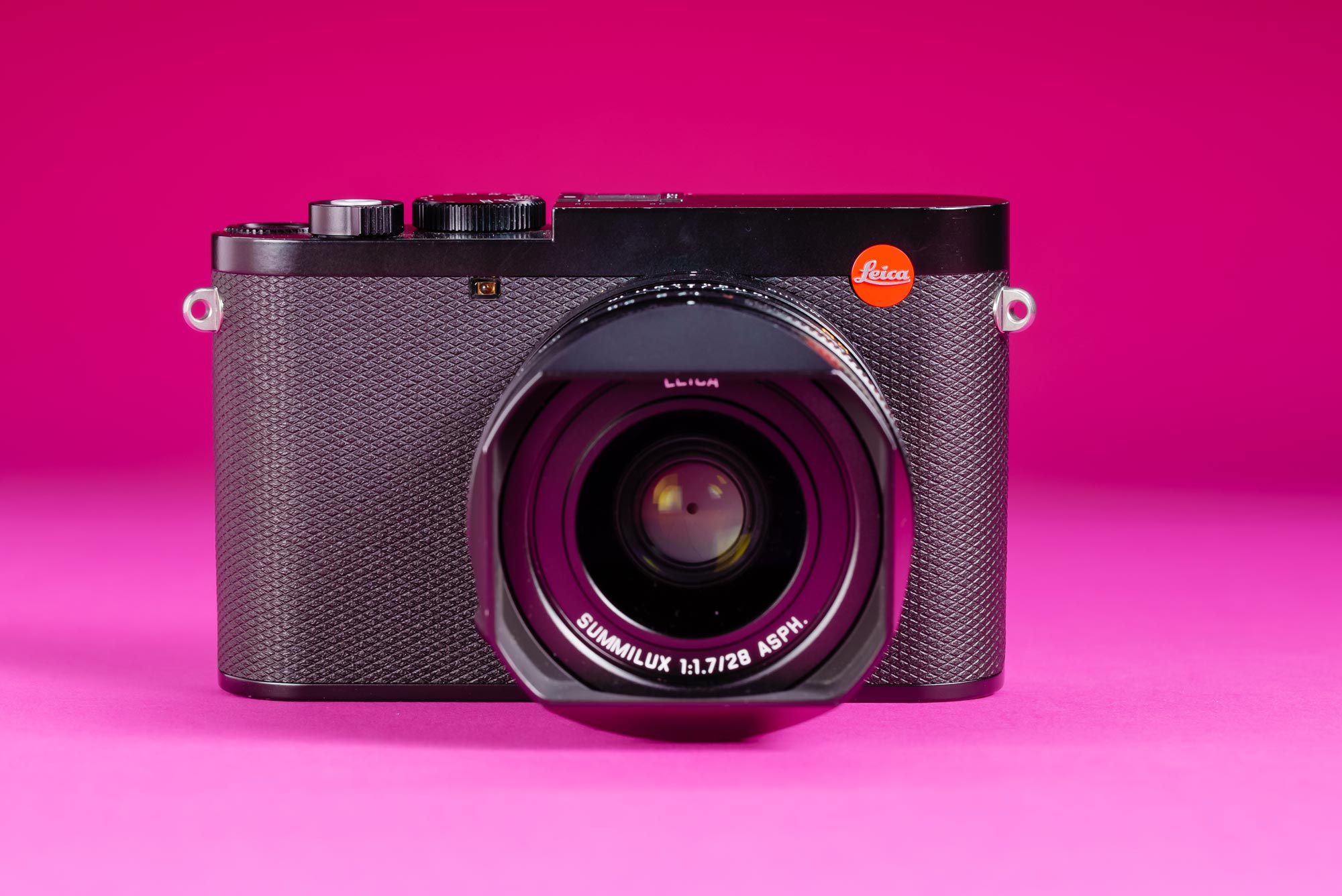
Used Leica Q3
Leica Q3
If you’re after everyday images you can be proud of and you’ve got space in your bag for a camera, enter the Leica Q3.
How good is it?
The Leica Q3 is very good, plain and simple. Its 60-megapixel full-frame sensor and fixed 28mm f/1.7 lens produce images of insane quality. I found the autofocus great for street photography and I had lots of opportunity to play around with the files after our shoot.
Note that if you’re used to zooming in and out to frame a shot, you’ll need to get used to doing the moving yourself. Know that it’s worth it, as the 28mm lens is delicious. You can crop pretty effectively when you really need to, thanks to those megapixels.
Goodness: 9.5/10
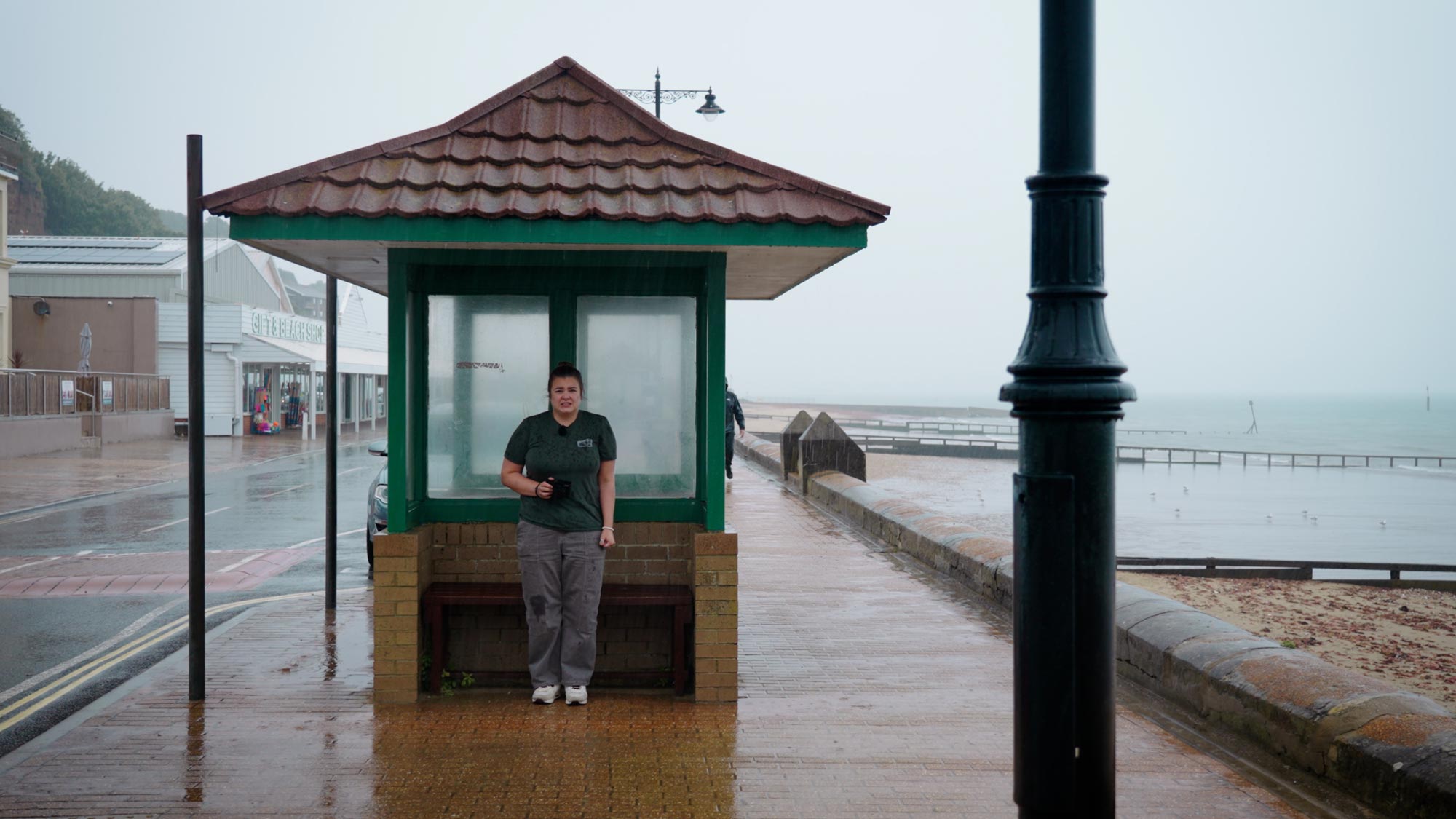
Amy takes shelter on the Isle of Wight, with a used Leica Q3 in hand.
Can it survive daily life?
The full-metal Leica Q3 is built to last and, unlike several cameras here, it’s weather sealed. It’s apocalypse-ready. Before you buy it, though, be warned about the price. Its high price point affected how carefree I was while shooting in the rain, so if you’re nervous about carrying something this expensive around, it’s not exactly the perfect EDC.
I also didn’t love the battery design because it’s got a bit of the body attached to it and that makes me mad.
Survival: 8/10

Amy Moore | Leica Q3 | Summilux 1:1.7/28 ASPH | 28mm | f/4.5 | 1/8000 | ISO 3200
Is it fun to use?
Put the Leica Q3 on a sling strap and there’s very little to complain about. There aren’t exactly any quirky features or gimmicks, but the fact the body is bomb-proof makes it pretty fun to use anyway. Just get over the fact you’ve spent an eye-watering amount on it and don’t use it gingerly. It deserves to be used. Find out if you’d really use in our in-depth Leica Q3 review.
Fun: 7/10
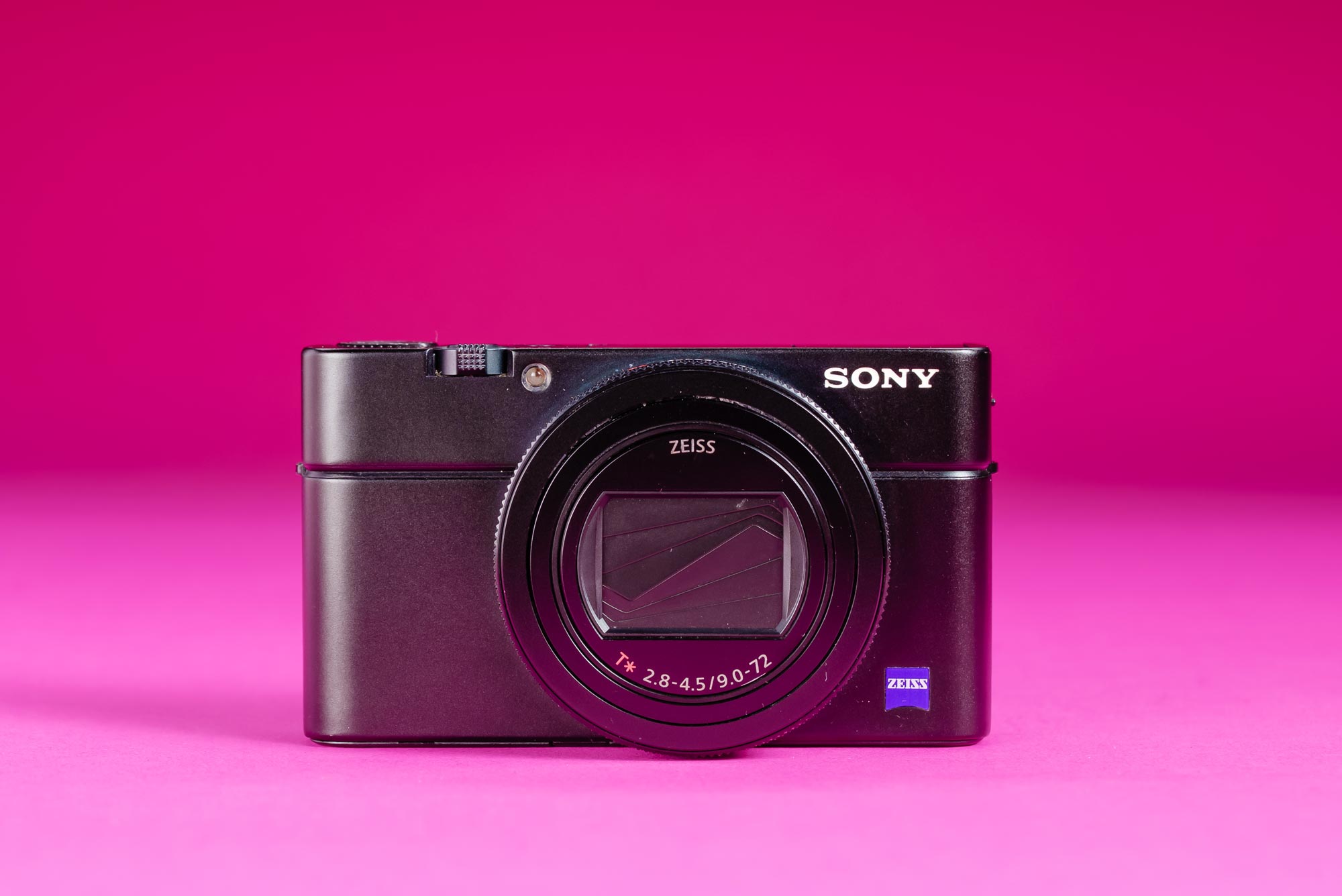
Used Sony RX100 VII
Sony RX100 VII
The Sony RX100 VII is small, but apparently nobody told its zoom. Somehow, Sony has squeezed a 24–200mm-equivalent lens into a camera that you can fit into your pocket. Just maybe not your back pocket. The RX100 VII is many things, but sit-proof isn’t one of them.
https://youtu.be/t2H55WvFT1U?rel=0How good is it?
The Sony RX100 VII’s 20-megapixel 1-inch sensor isn’t going to compete with the Leica Q3’s, especially in low light where you’ll notice noise starts to creep in. Sony’s autofocus rarely fails to impress, though and the real-time tracking comes in handy when you’re shooting video.
Goodness: 6/10
Can it survive daily life?
The Sony RX100 VII doesn’t have weather sealing and I’m afraid that’s a problem for me. Again, I live in a country with an annual rainfall of 1,163 millimetres. But for everyday practicality, it’s got a lot going for it. At 300g or so, it can fit in a pocket. How on earth did Sony manage to cram in a pop-up viewfinder?!
None of the fixed-lens cameras on this list can give you the kind of flexibility that the RX100 VII’s 24–200mm-equivalent zoom can. So, if you don’t know what you’re going to end up photographing on any given day, it’s the kind of camera you’ll want to have with you.
Survival: 7/10

Amy Moore | Sony DSC-RX100M7 | 24-200mm F2.8-4.5 | 9.5mm | f/6.3 | 1/640 | ISO 160
Is it fun to use?
The RX100 VII’s zoom is where the fun is. I loved being able to go from wide shots to zooming right in without changing lenses and I’m still weirdly delighted by that tiny pop-up viewfinder. Is it necessary? Yes. Did I use it a lot? Yes. The RX100 VII is a lot of fun to have around and lets you shoot a bit of everything.
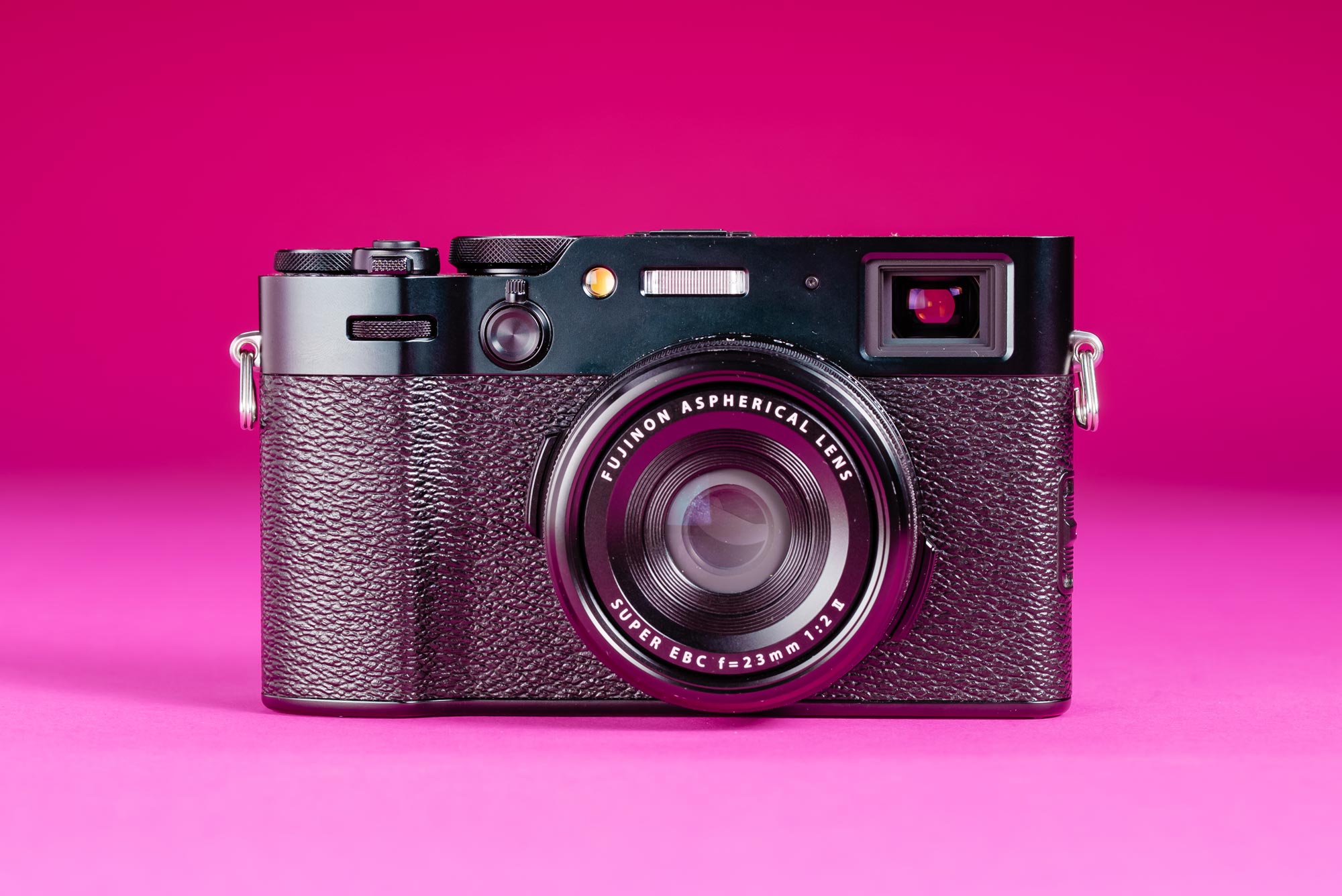
Used Fujifilm X100VI
Fujifilm X100VI
The Fujifilm X100VI is our best everyday carry compact overall. And, after spending even more time shooting with it, I can’t really argue with the X100 series hype.
How good is it?
The Fujifilm X100VI has a 40.2-megapixel APS-C sensor with a fixed 23mm f/2 lens, which works out at 35mm full-frame equivalent. Again, no zoom, so you’ll have to be comfortable with committing to one focal length.
The photos are really, really nice, with an incredible amount of detail. If you’re not a photo editing aficionado, I’d say: don’t sweat it. The JPEGs straight out of the camera are impressive enough as they are. Want to be sure? Read our Fujifilm X100VI review in full.
Goodness: 9/10
Which EDC camera is best for you?
As I’ve really hammered home now, the Fujifilm X100VI is my pick of the bunch because it’s a mix of everything you’ll need for the perfect EDC.
If you want something to shove in your pocket, get the Ricoh GR IV (like I did). If you want photos that look great and you’re feeling flush, go for the Leica Q3. The Sony RX100 VII lets you zoom in on your subjects without taking up much bag space. The Lumix L10 is the camera for anyone who likes their photography a little more hands-on.
Basically, the best EDC camera is the one you’ll carry. Every day. That’s kind of that. The fanciest camera in the world isn’t much use sitting at home.
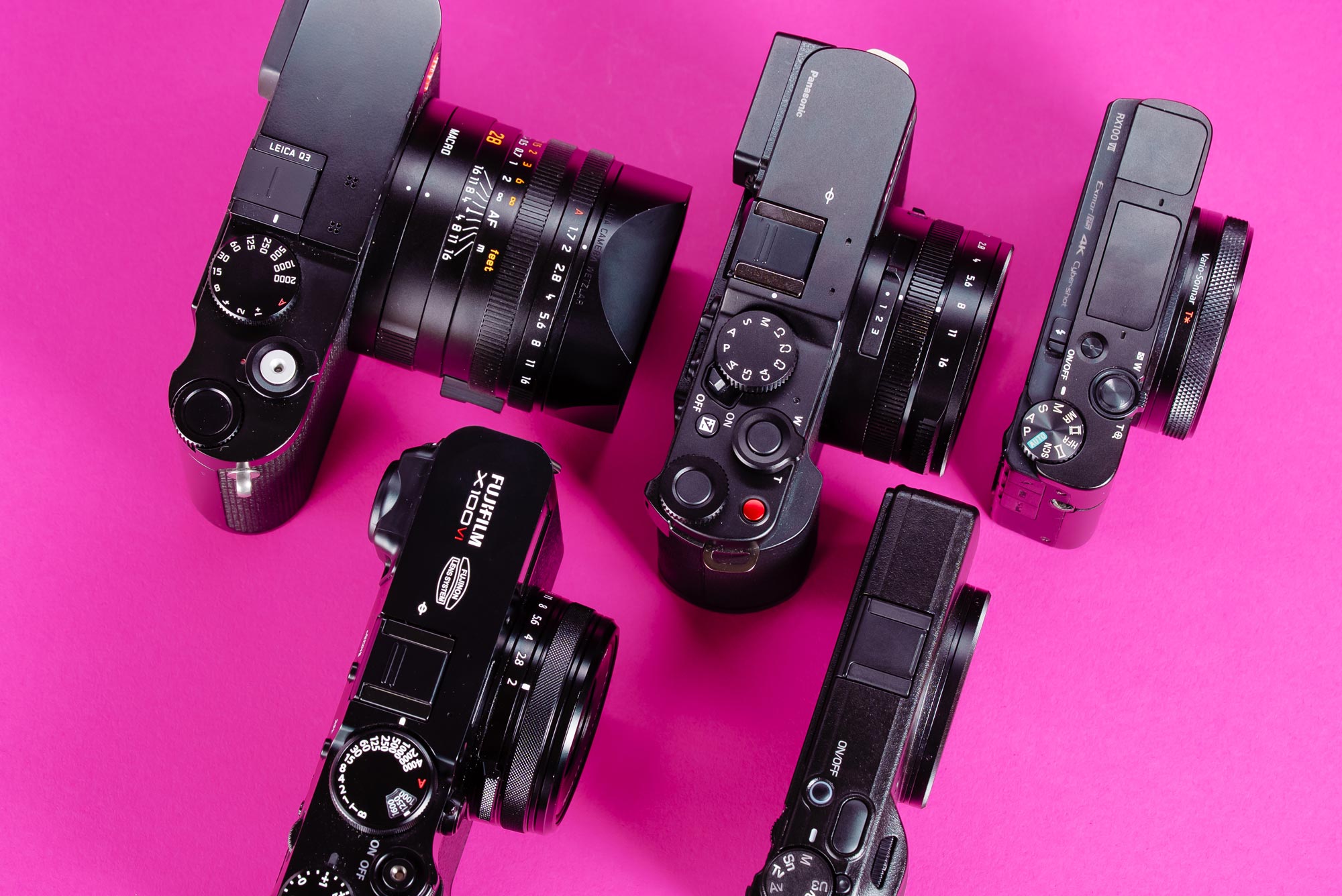
From L-R: A used Leica Q3, Fujifilm X100VI, Panasonic Lumix L10, Sony RX100 VII and Ricoh GR IV.
FAQs
What is the best compact camera for everyday photography?
The Fujifilm X100VI is our best everyday compact overall. It takes great photos, can handle everyday life, and, most importantly, it’s a lot of fun to shoot with.
What is the best pocketable compact camera?
The Ricoh GR IV is our best pocketable compact at just 262g. It’s tiny, but still packs in an APS-C sensor and fixed 28mm-equivalent lens.
Which compact camera has the best image quality?
The Leica Q3 gave us the best image quality of the five cameras we tested. Its 60megapixel full-frame sensor and 28mm f/1.7 lens are good, but you’ll pay for them.
What is the best compact camera with a zoom lens?
The Sony RX100 VII is our pick if you want a zoom. Its 24–200mm-equivalent lens gives you loads of flexibility from a camera that somehow still fits in your pocket.
What makes a good everyday camera?
A good everyday camera is one you look forward to carrying. It should take photos you’re proud of, survive daily life and crucially, be fun to shoot with.
You can sell or trade your camera gear to MPB. Get a free instant quote, free insured shipping to MPB, and get paid within days.
Read more camera gear guides on the MPB Content Hub.