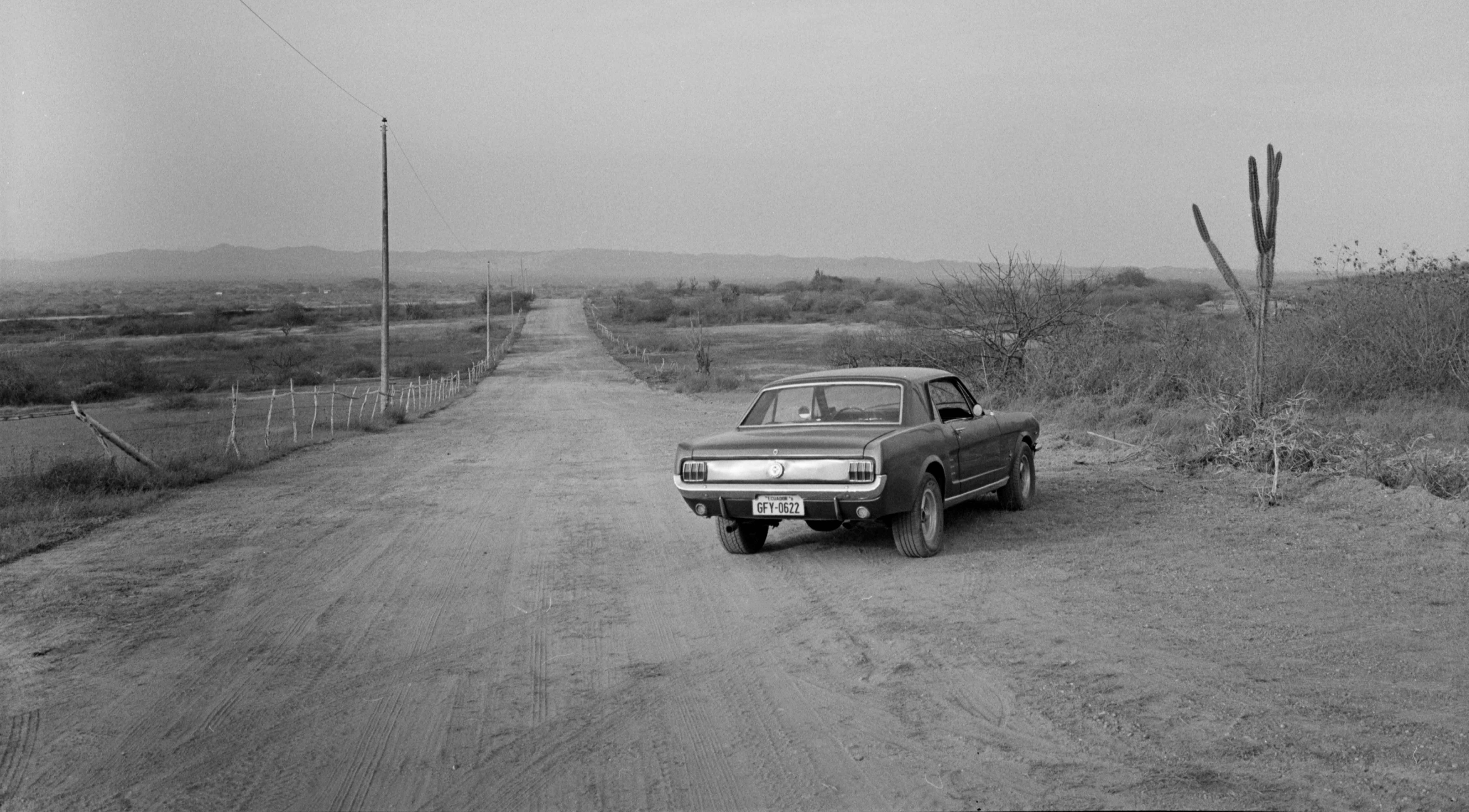
Interview: Photographer Vicente Massur
Published March 25, 2020 by MPB
Hailing from Ecuador, Vicente Massur is a photographer who defies classification. He seamlessly moves from film to digital, from black-and-white to color, and from portraiture to street and fine art. Many photographers tend to stick to a genre, but for Vicente photography is about experimentation and discovery. We talk to him about his work, his process and the challenges of shooting film in South America.
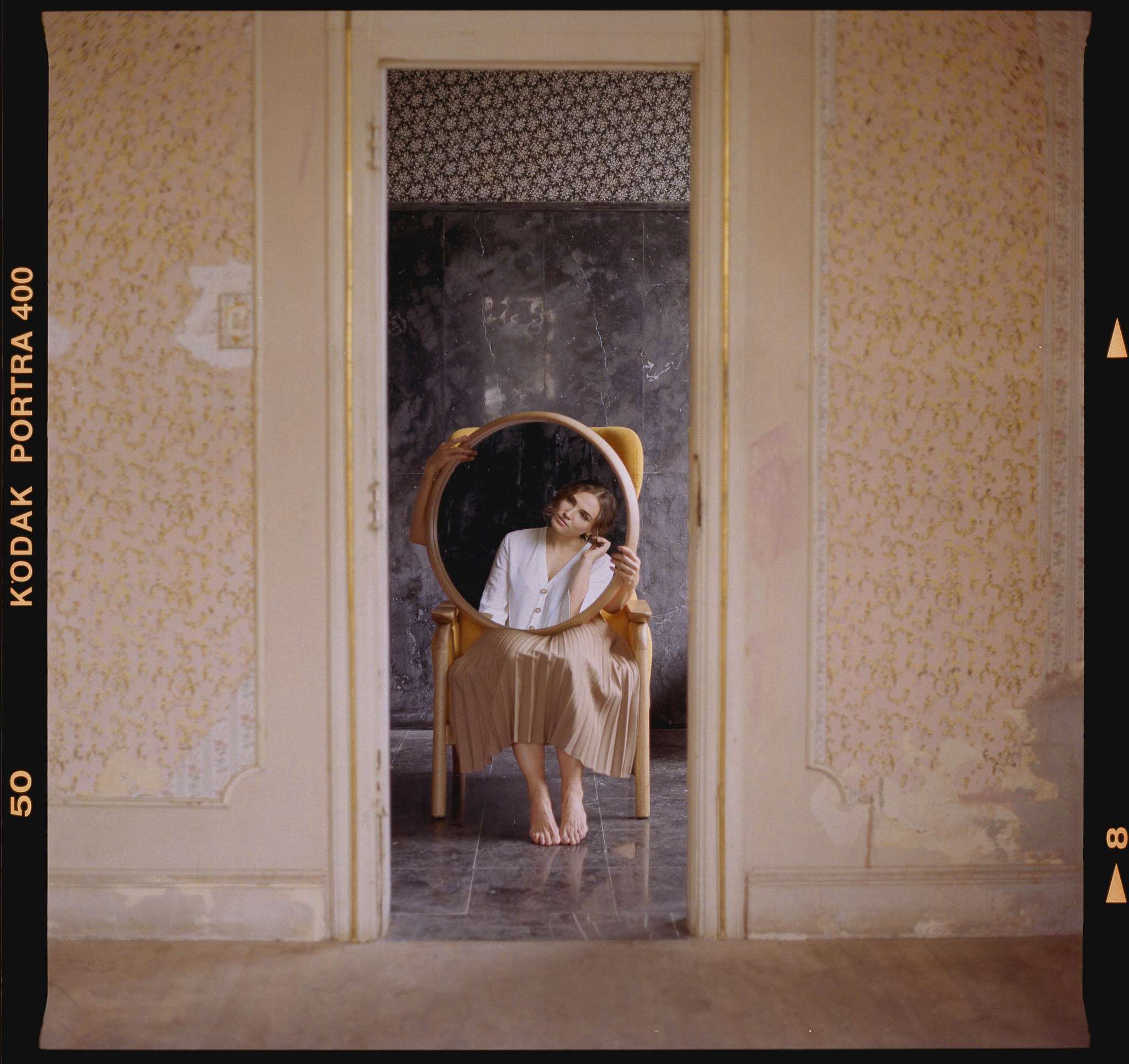
MPB: Hi Vicente, thank you for agreeing to be interviewed. Could you tell us a bit about yourself?
VM: Hi, and thank you for asking me. My name is Vicente Manssur, I'm 32 and I live in Guayaquil in Ecuador. I’ve always lived in Guayaquil, but I’m currently living in Spain for a few months while studying marketing and branding. I spent most of my career working with brands in design and PR. Photography was actually just a hobby at first but has become my primary source of income in the last three or four years. Generally, I tend to take jobs which are primarily photography-based - but I still take some work related to branding.
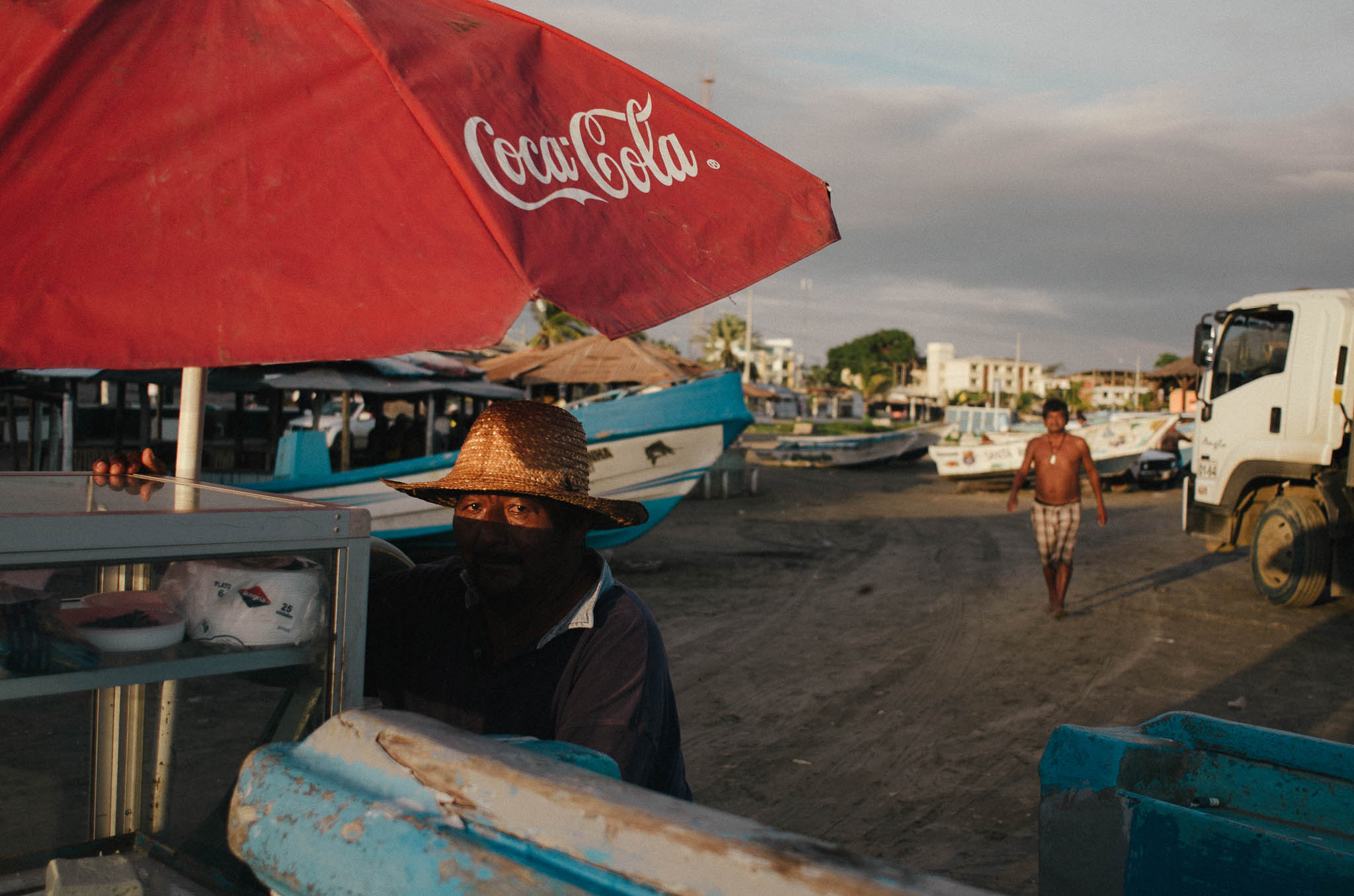
MPB: What was your journey to photography?
VM: I began taking photos about five or six years ago. I took a trip to Chile, and then a few trips closer to Ecuador. At around this time, I was interested in low-light photography and landscapes. Without really knowing much about cameras and after watching some YouTube tutorials, I bought a used Nikon D3200 and began to experiment.
Taking photos and traveling was reason enough to leave my hometown, and even though I wasn’t really sure what I was doing, it was still something I really enjoyed. The whole experience was very different to anything I had tried before. Photography had always been something that interested me, but something I had always admired from afar. After a few trips and 100,000 bad photos, I was hooked. I began taking photos of absolutely everything - it was more about learning and understanding my surroundings more. Shooting landscapes began to bore me a little, as I began finding inspiration elsewhere. This is when I found the street and documentary photography from Alex Webb, Harry Gruyaert, Bruce Gilden and William Eggleston, to name just a few. This changed my idea of photography, and also began to have an effect on how I looked at the world around me. I now prefer photography that focuses more on specific situations and people that can somehow tell a story or transmit a feeling or emotion.
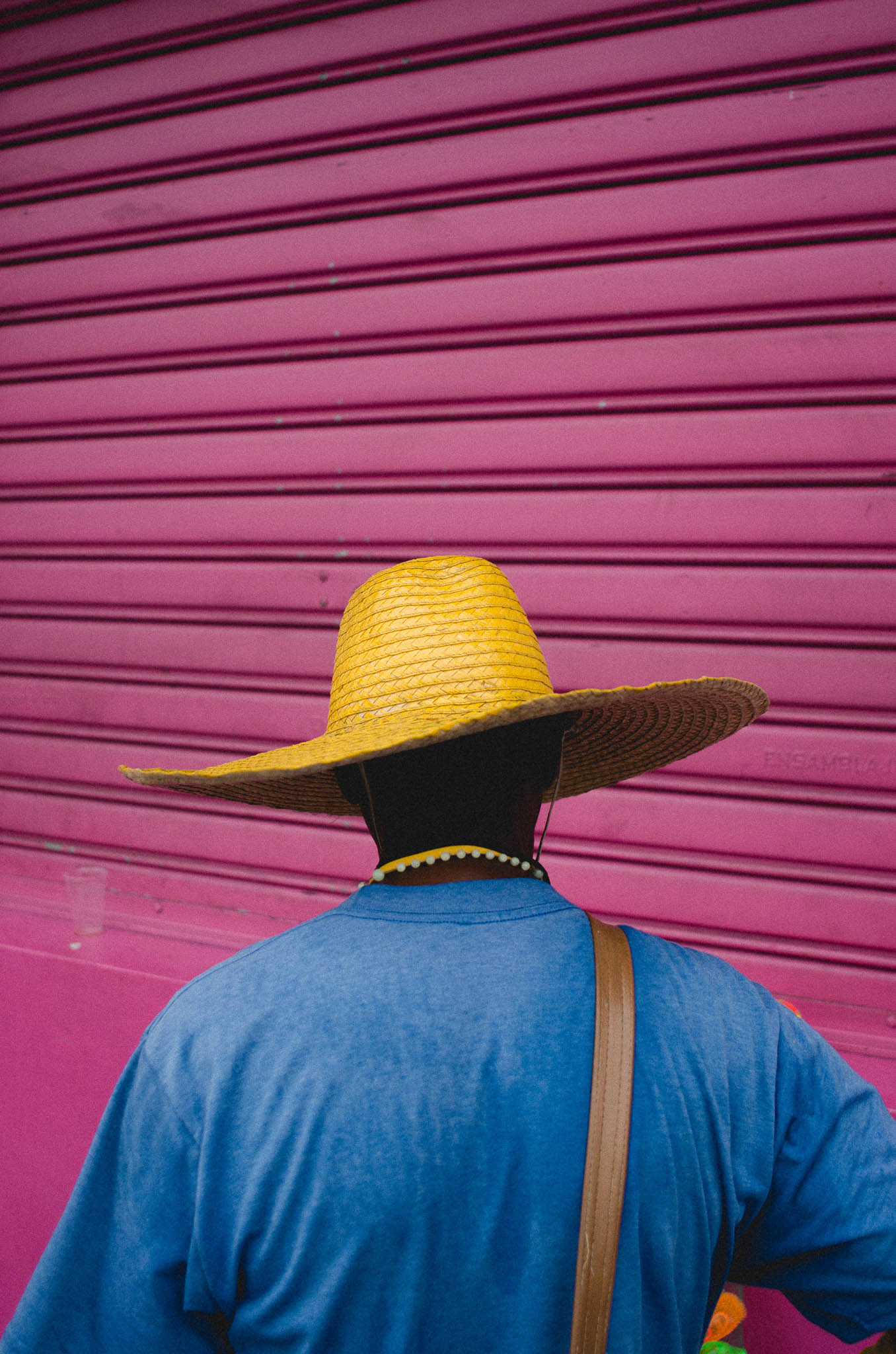
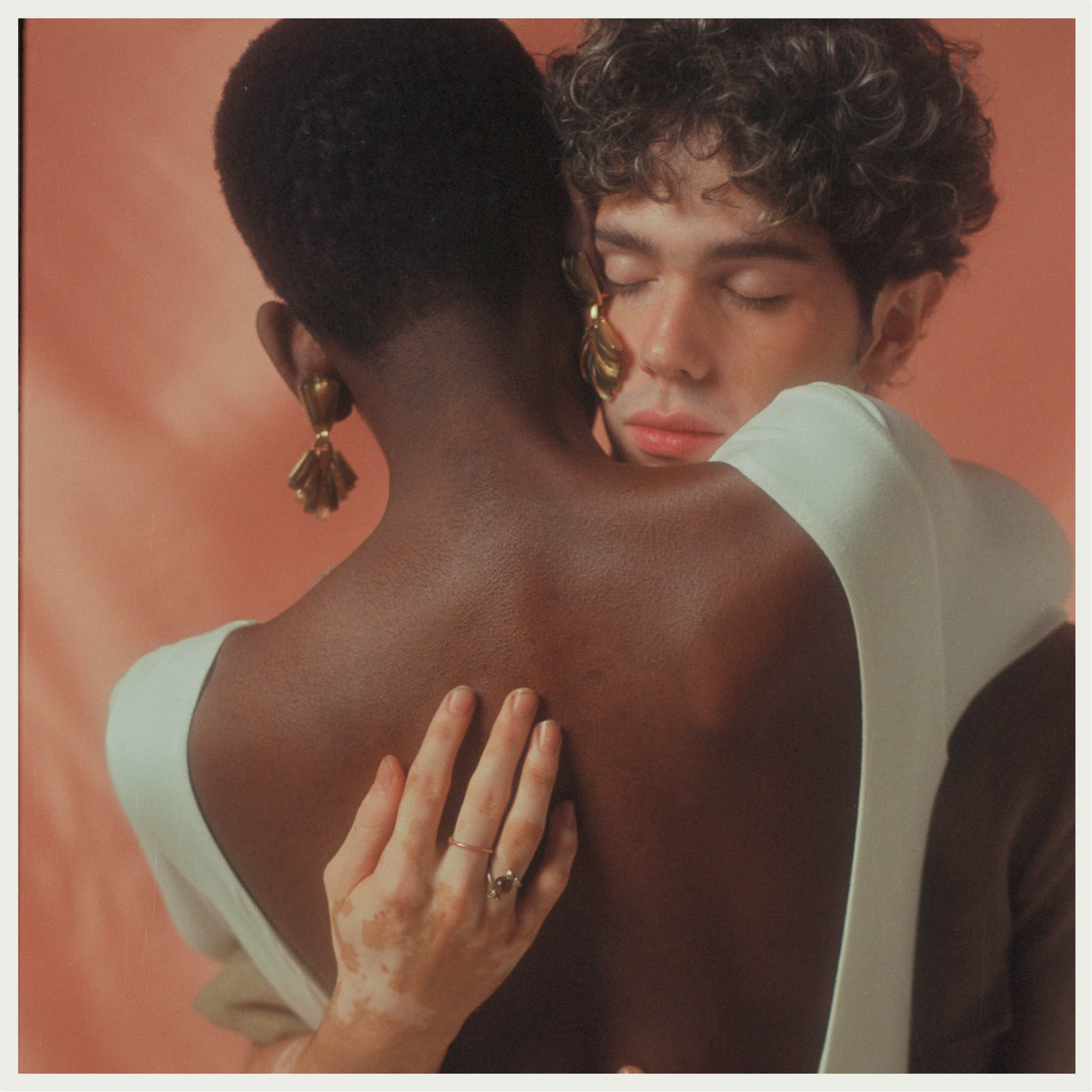
MPB: Your style is difficult to define - you shoot a bit of everything and you do it all so well - do you like to experiment or do you simply have varied tastes?
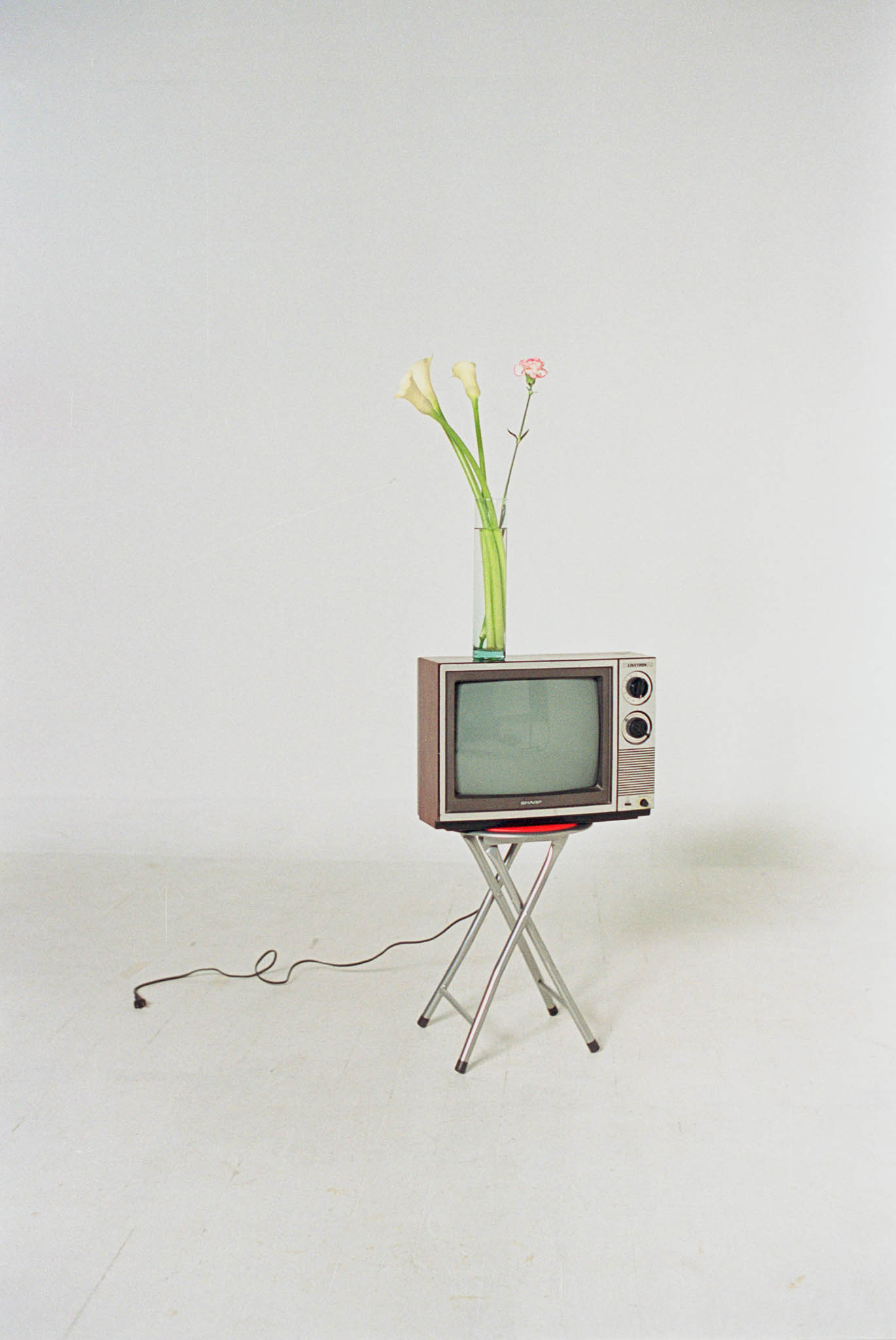
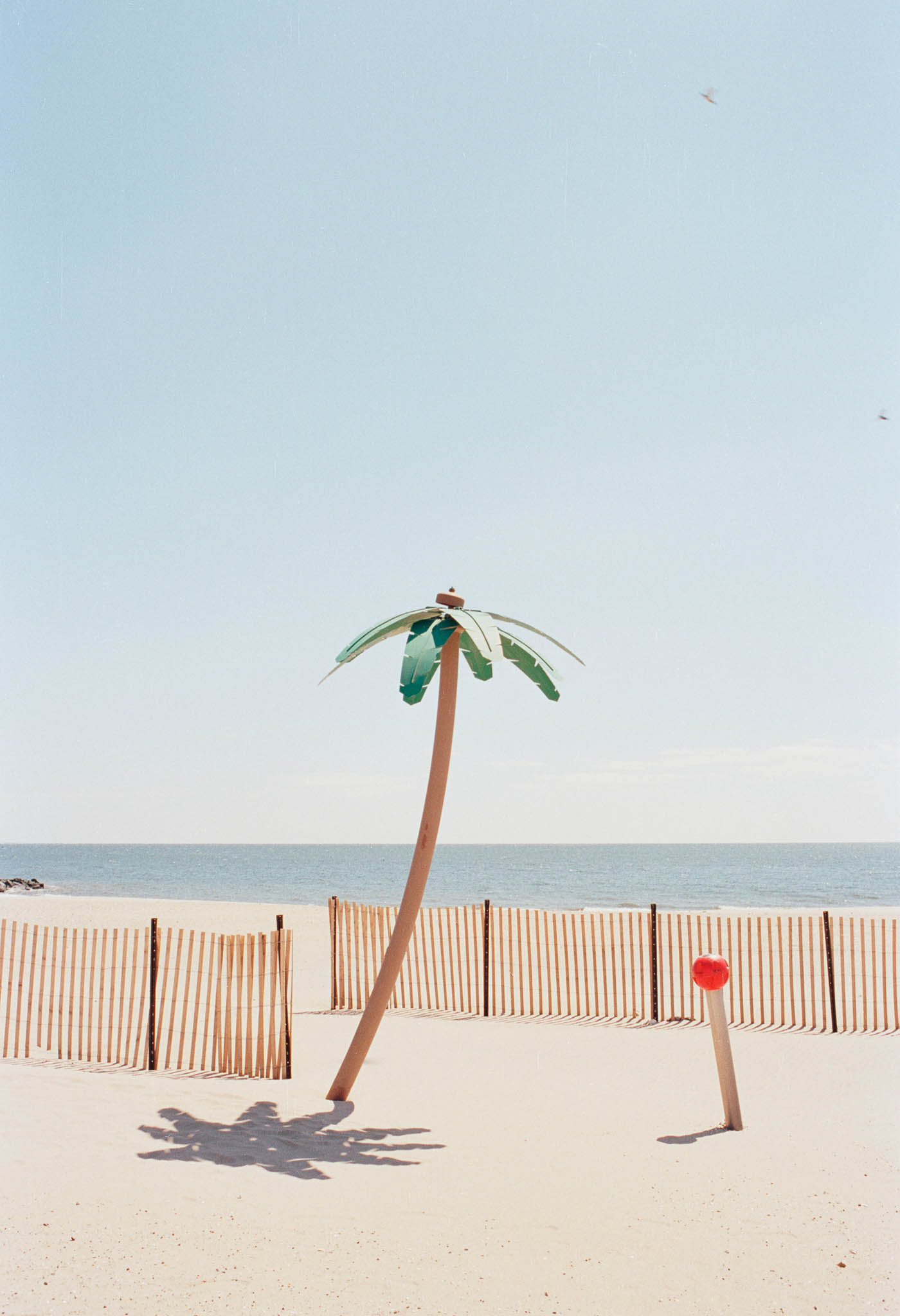
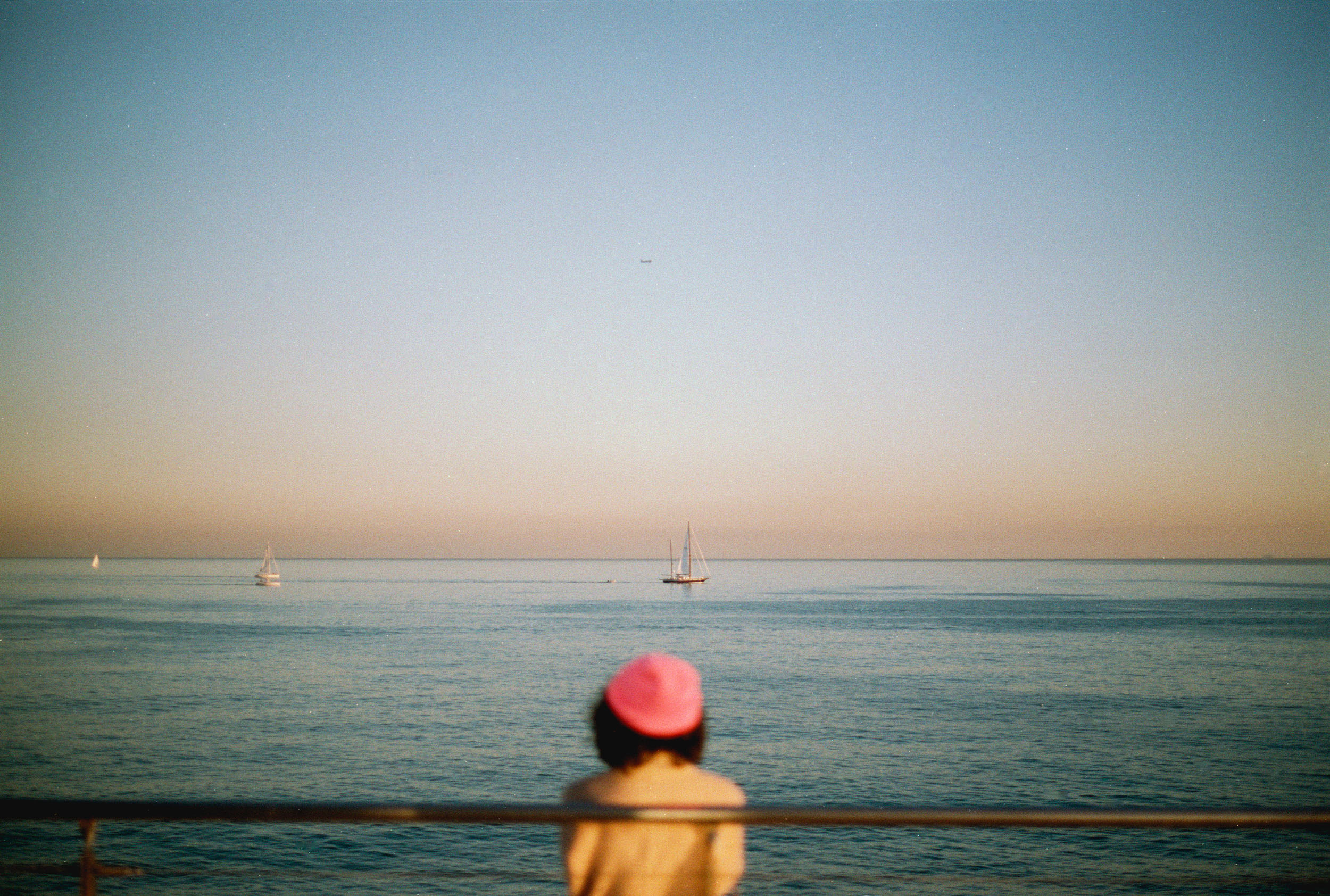
VM: Thank you. I feel like there are so many things within photography that interest me and have still yet to try. I’m interested in things that inspire me, and I like to add my own twist to things I recreate. Photography has such a huge scope, and I like the idea of trying things and not always doing the same thing. Recently, I’ve been doing more and more portraiture as I feel it’s something that mixes seamlessly with documentary photography as well as fine art. However, what I enjoy doing most is street photography as this offers the most diversity - from still life and the ‘new topographics’ style.
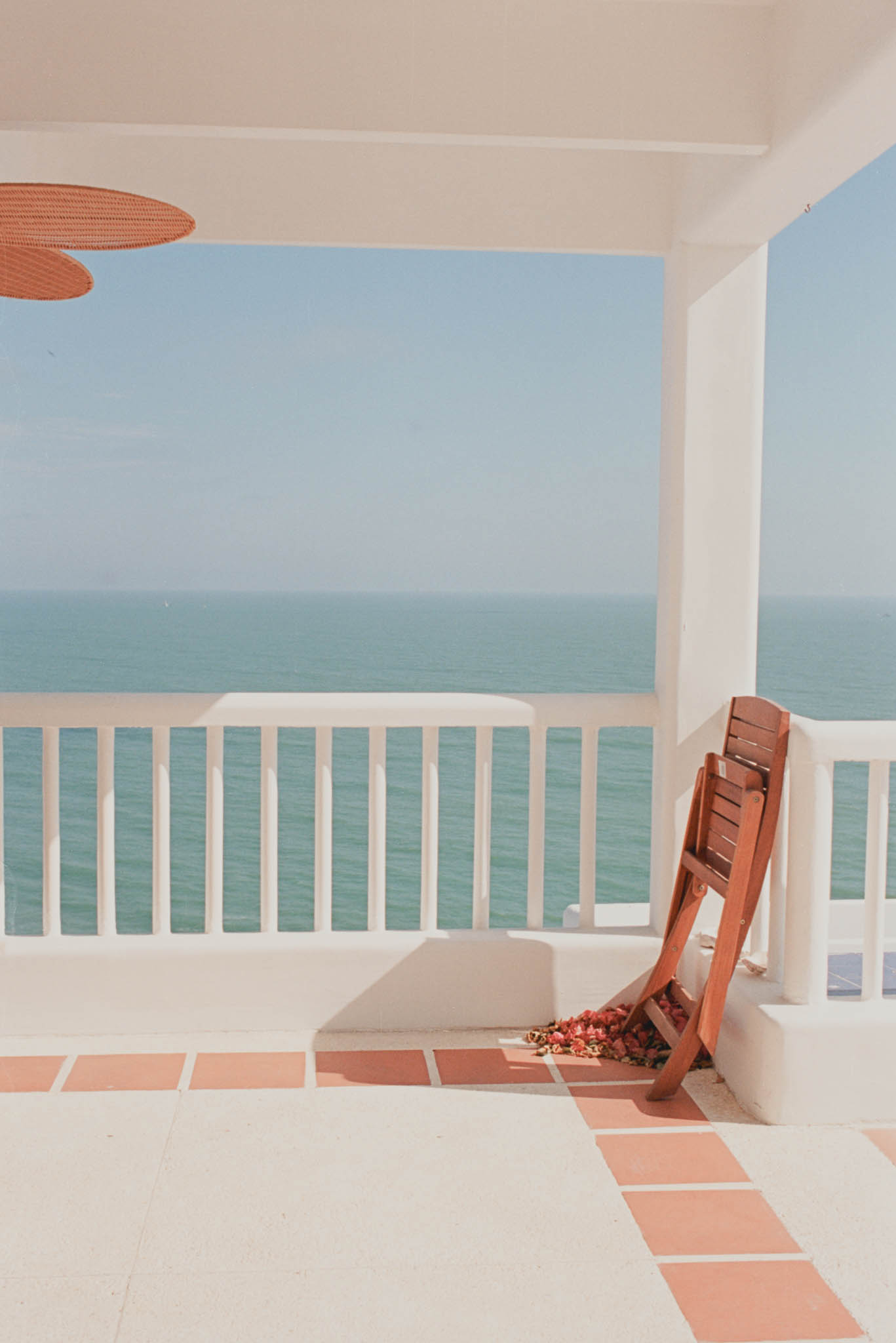
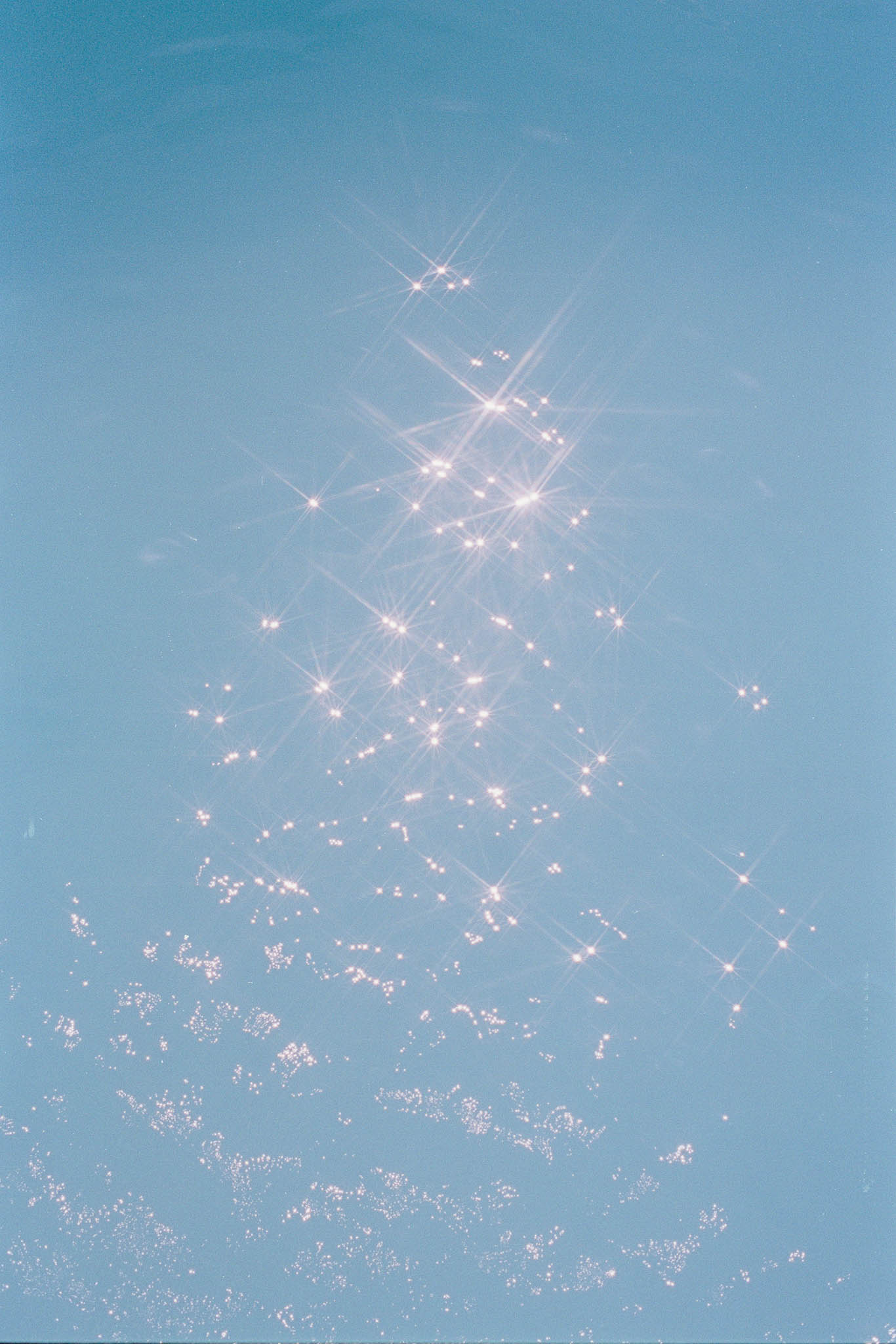
MPB: Much of your work is shot on film, do you think that the resurgence of film has been as popular in South America as it has been elsewhere in the world?
The resurgence of film photography in South America has definitely been felt, even if by comparison we have fewer resources to do so. In the US and in Europe, the resurgence has been stronger due to the availability of all the components required to shoot and develop film. I tend to get much of my equipment from the US, from rolls of film to the chemicals needed to develop. Here in Ecuador, we don’t have any labs supporting analogue processes - just digital. And even those aren’t doing work of a high standard. This lack of resources has meant people here with analog workflow have had to do everything themselves and not rely on labs. That’s great, as you learn the whole process, but there are long lead times to allow for the materials to arrive. It’s also expensive, but ultimately it’s very rewarding. However, there are times when you do wish there was a lab locally that can take some of the strain away.
MPB: Do you use any digital cameras for your work?
VM: I use my digital camera for most of my commercial work. This is work that usually requires a lot of images with a small margin of error. For smaller jobs, I’m able to shoot film or have a mixed analog and digital workflow. I generally use a Nikon D810, a camera I've owned for three years and really enjoy using. I’ve always used Nikon cameras, ever since I began taking photos. Although, on occasion, I also use a Fujifilm X100F for street photography or when I’m documenting my travels.
MPB: Your use of color is really beautiful, but you also shoot a lot of black and white. Would you say you're comfortable knowing which to use when, or is it more a question of using what’s available to you at the time?
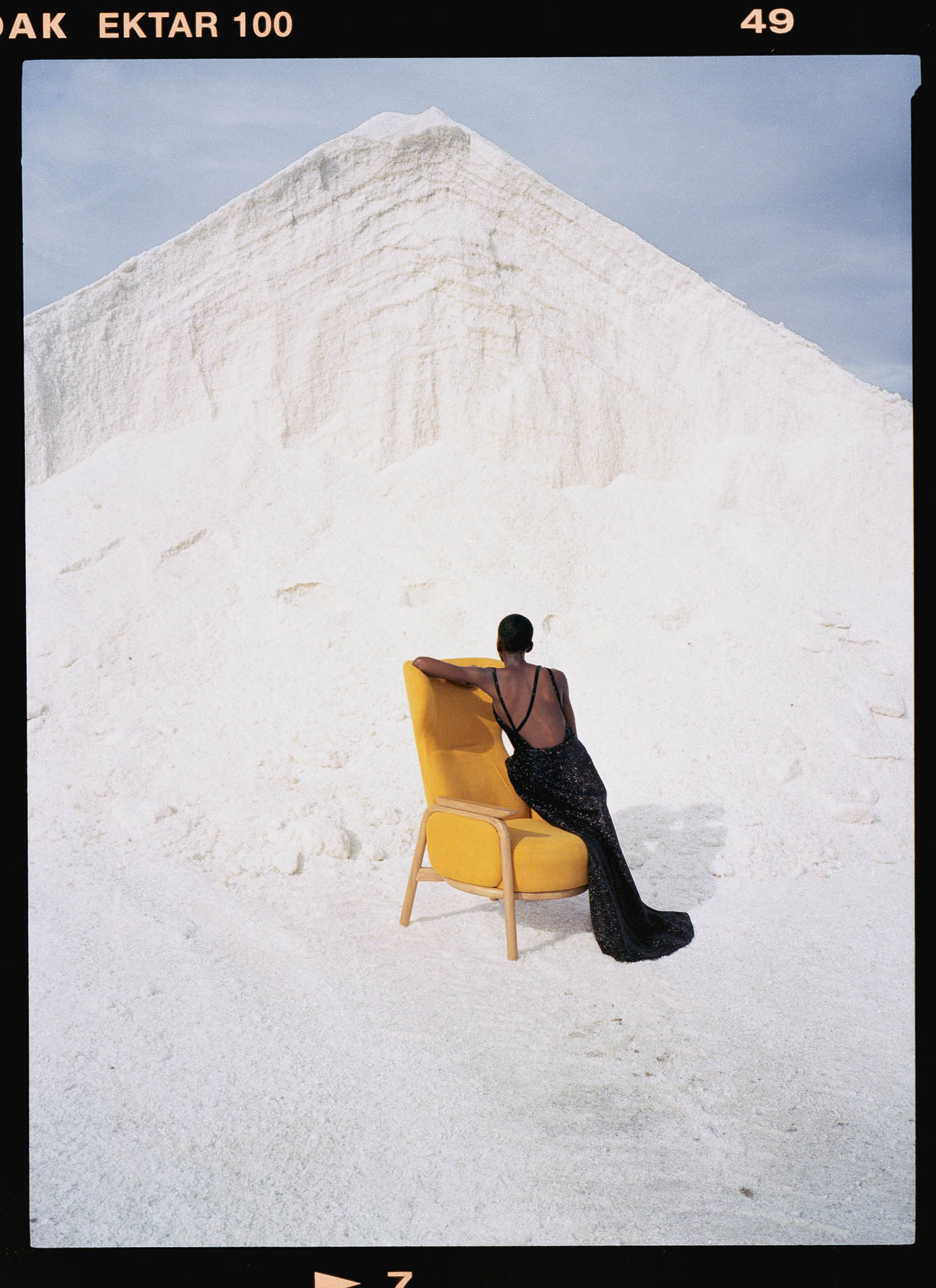
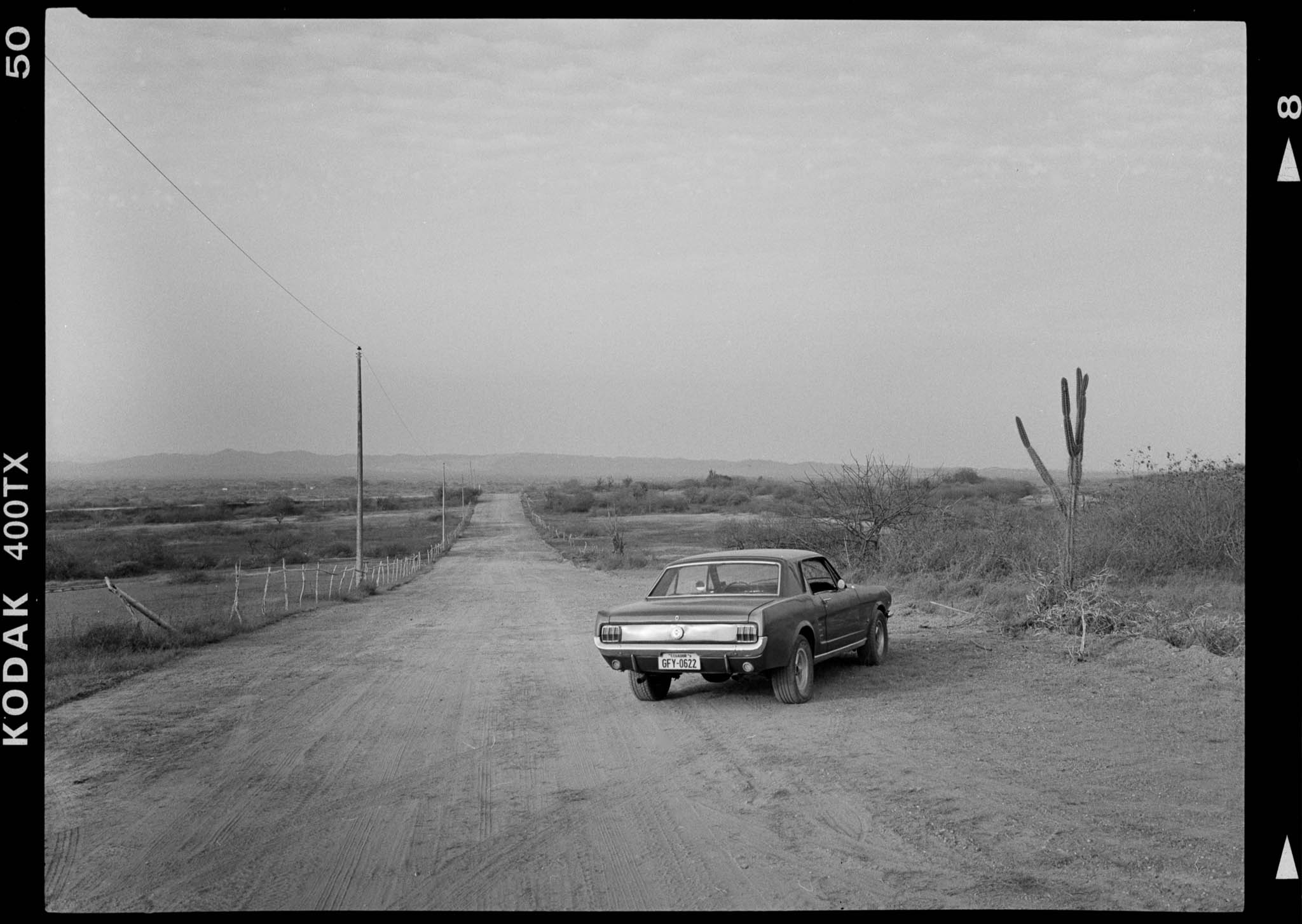
VM: I love using color, but I love black and white because I admire many of the photographers who have used it. There’s something very unique about it - depending, of course, on the type of film you use. Many times, I’ll go out with the idea that I’m going to shoot in black and white, so I go out looking for an image that will work in that format. Be it street photography or portraiture. Sometimes, I’ll go out with both colors and black and white, and I can alternate depending on what I find. With digital, the flexibility is there to decide in the edit and see what works best. I like the flexibility of black and white in that it can work well in a variety of situations, whereas color, for me, needs certain conditions to really shine.
MPB: What would you like to achieve in the future?
VM: I’d like to improve as a photographer and experience more through photography. I’d like to create a body of work I can exhibit in the future. Travel is another thing I'd like to do more of, and I’d like to do it through photography. I like the idea of working with brands and magazines outside of Ecuador and maybe collaborating with other photographers I admire. Publishing a book would also be a dream. Even if I could just publish one in my lifetime, that would suffice. I started a zine a year ago, it’s something I’d like to expand on. Maybe bring in other photographers to contribute to it, allow them to simply feature their work, or encourage them to share a series.
You can sell or trade your camera gear to MPB. Get a free instant quote, free insured shipping to MPB, and get paid within days.