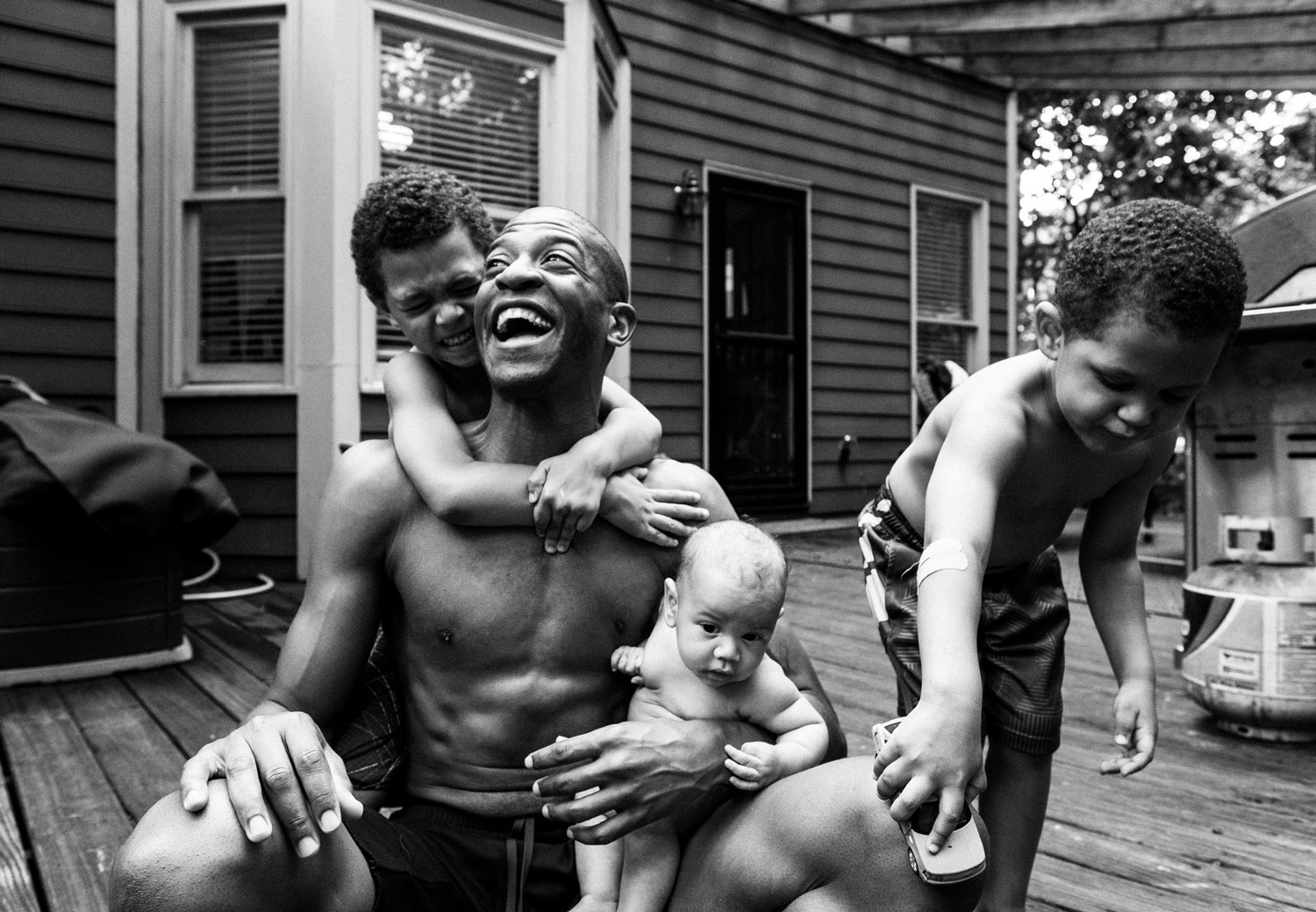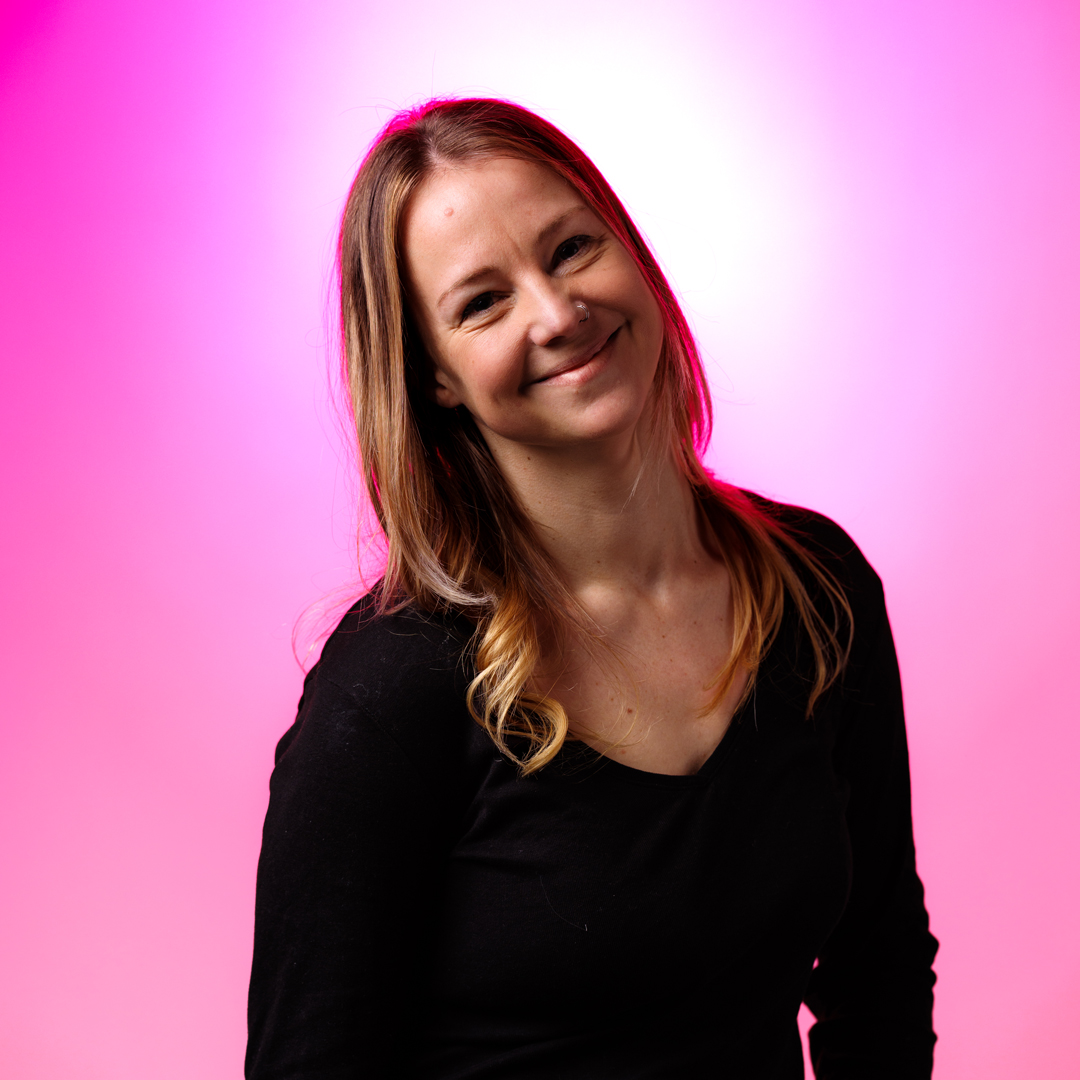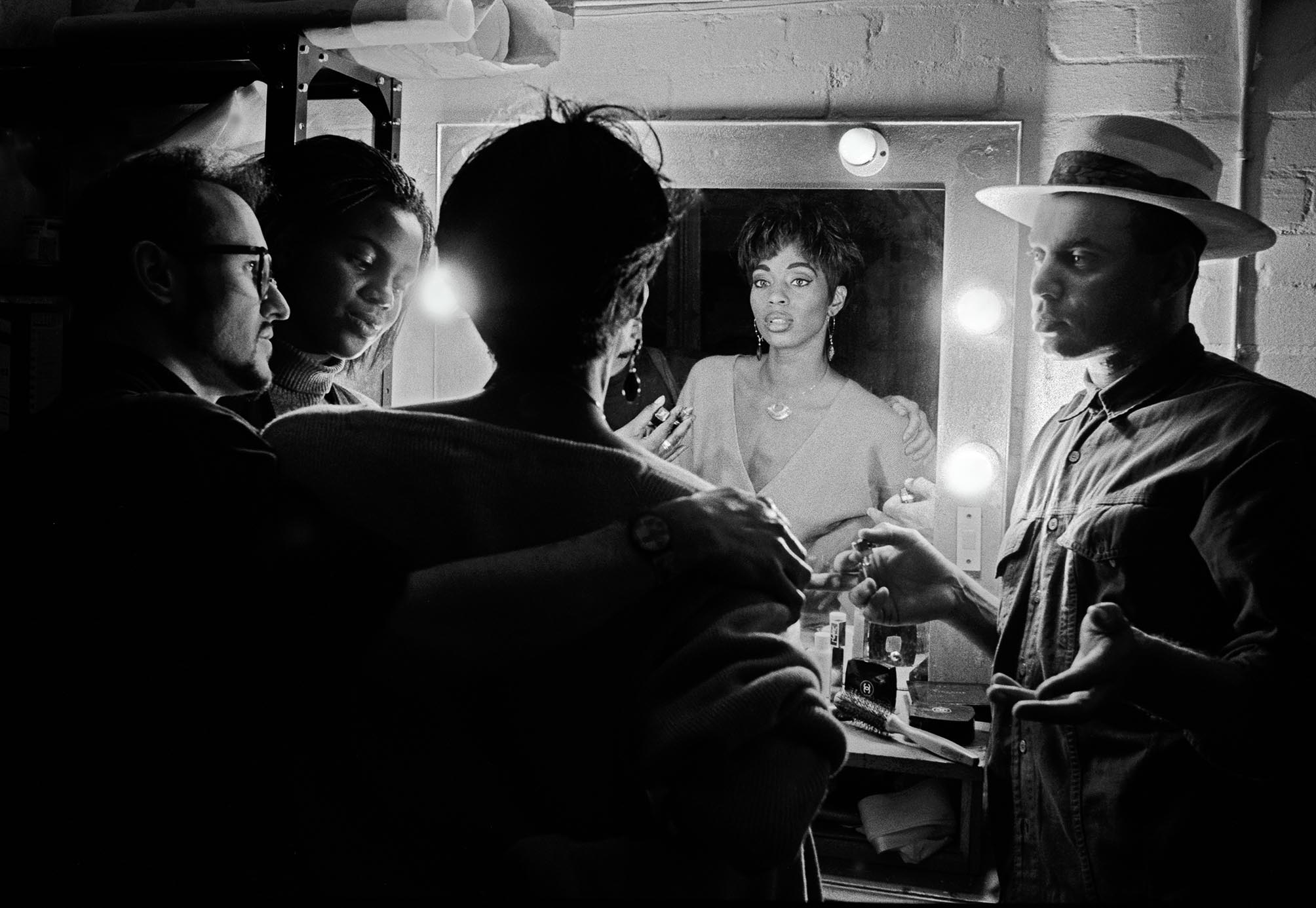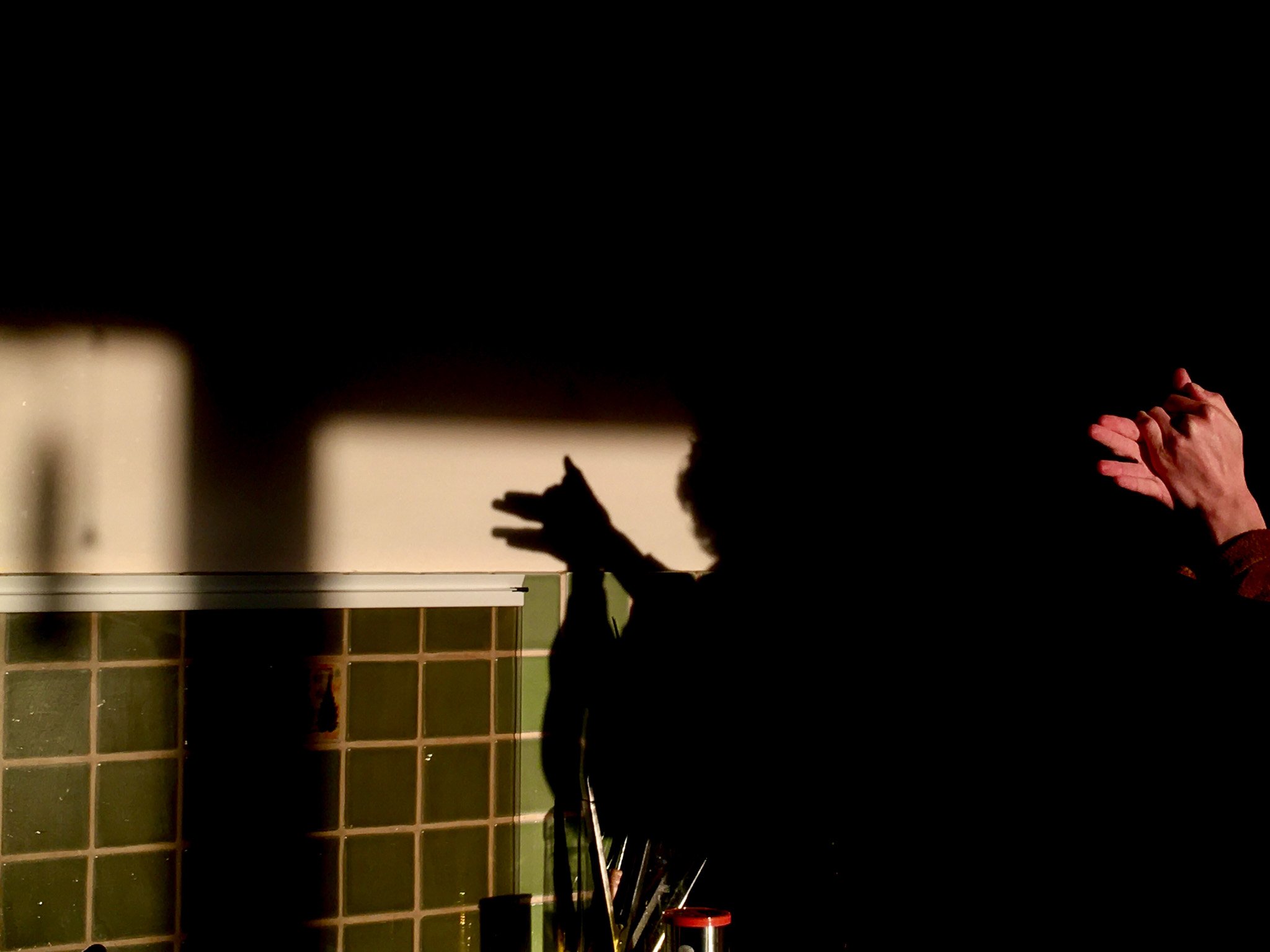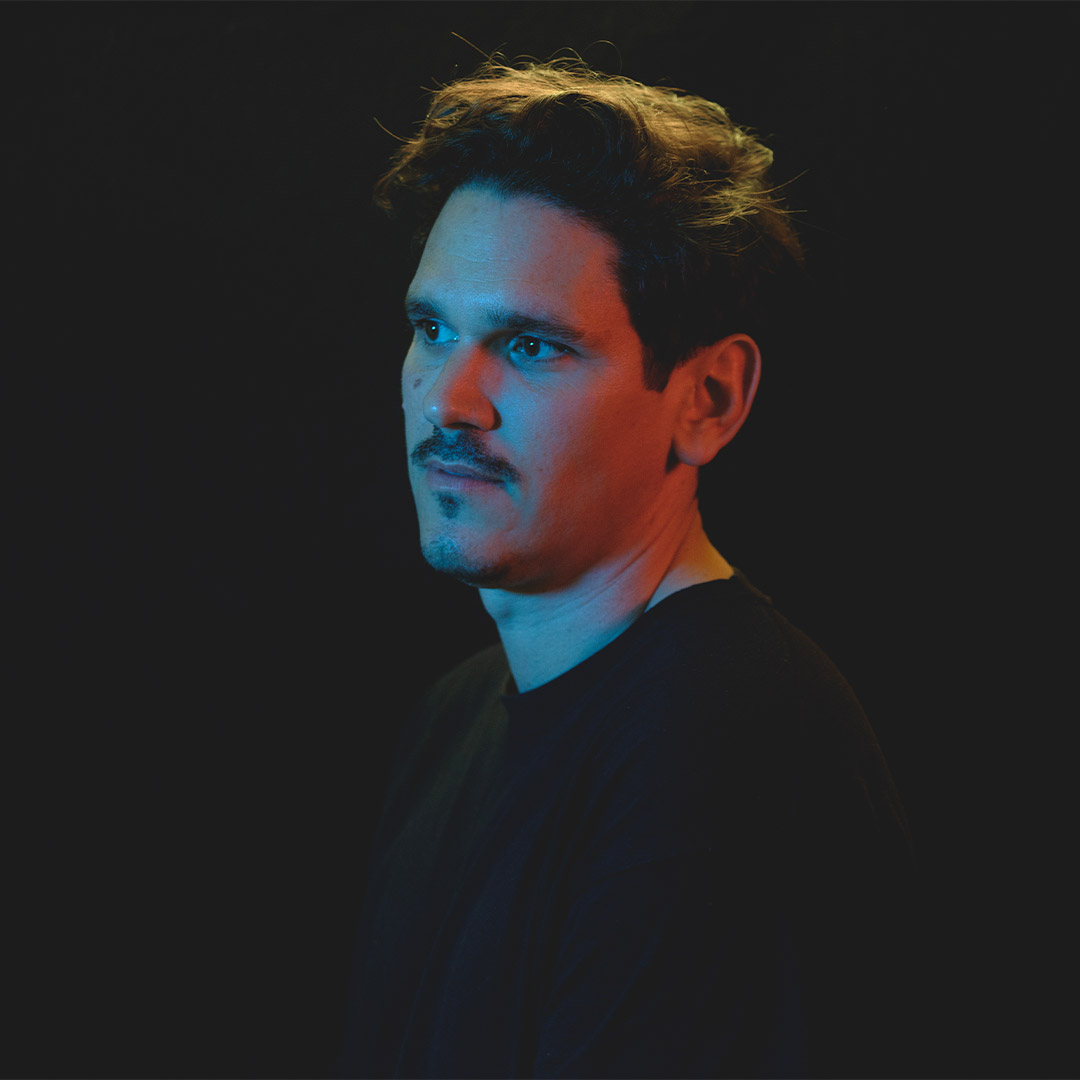
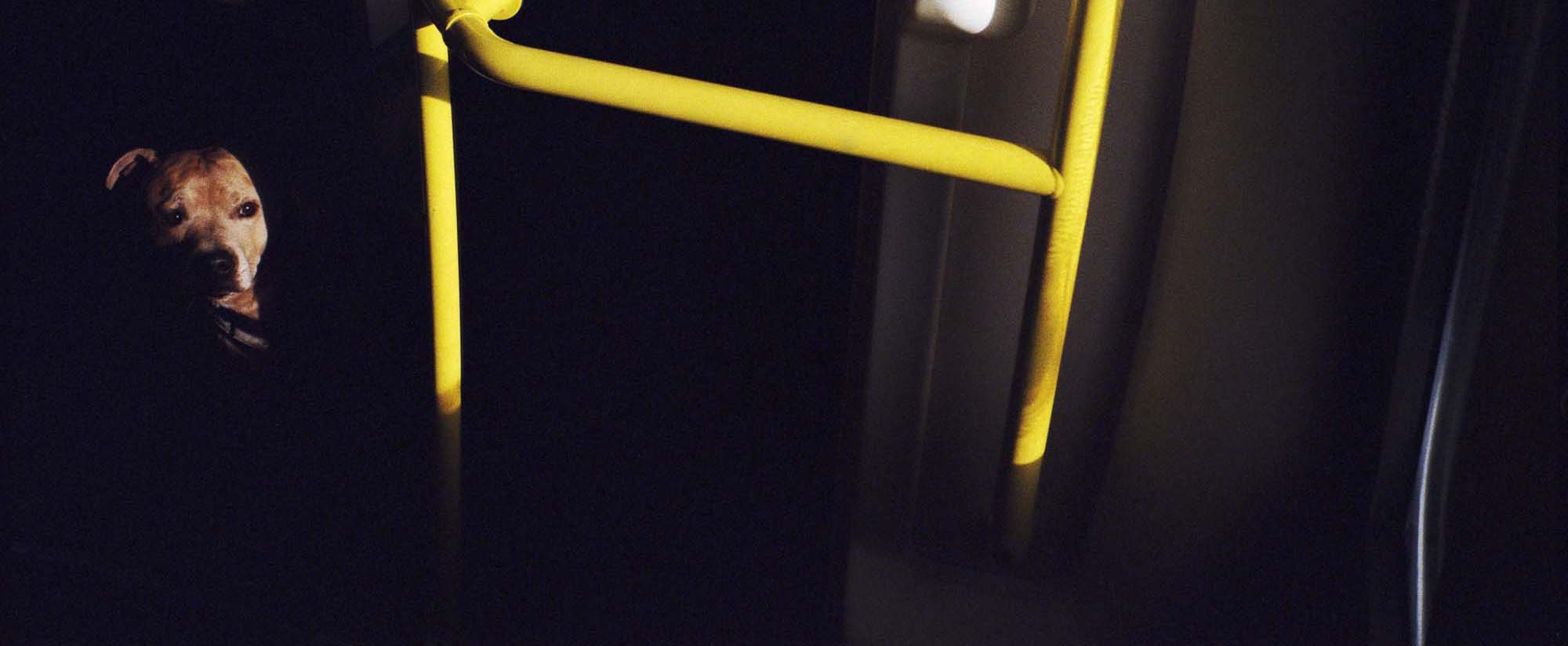
When shooting 'the everyday', or 'the mundane, moments with subtle beauty can often present themselves—rendering these terms somewhat oxymoronic. You just have to know where to look. The work of Brighton-based photographer Ben Carias is a brilliant illustration of this idea, demonstrating his ability to capture stunning photos wherever he goes. Equally comfortable with black-and-white as with colour, his work has a quietness and softness that shows off his eye for composition and light. We speak to Ben about his creative journey, equipment and photography.
MPB: Tell us about your start in photography, how did it all begin?
BC: I originally started in photography with an A-level course at Varndean College in Brighton, which seems a very long time ago now. I was 19, it was before the turn of the millennium, and we experimented with photograms and developed bulk-issue Ilford film in the darkroom. Back then, digital was still light-years away. My mum’s friend, Alex, lent me his old Pentax Asahi when I started. It was something of an unexpectedly long loan on his part, as I still have it! Although the only still-working parts now are the lens and leather strap. I use that strap to this day, on my Leica M6. He'd used it when he was young so that Pentax must be at least 50 years old now, and something about that continuity pleases me. As it went, photography was the only A-level I actually saw through at the time, and the next ten years were spent skating, mixing records and partying. It wasn’t until years later, in 2011—when I bought a little Canon Ixus point-and-shoot for a solo trip around Sicily—that photography came along again.
MPB: You shoot on film, is this something you arrived at and stuck with—or was it a specific decision?
BC: Within a year or so of that Sicily trip, I’d bought myself a Canon EOS 450D, then moved on to a Canon EOS 60D. I’d signed up to Flickr and found a kind of disparate global community of people who were into similar stuff. I’d also rediscovered street photography—a term I suppose I hadn’t ever really thought about, despite having written a few thousand-page essays on Cartier-Bresson and ‘the decisive moment’ back in my college days. I don’t think the term had really been coined back then, or at least it certainly wasn’t ubiquitous as it is now.
But I think it was finding the work of contemporary photographers like Junku Nishimura—and his soft-grained, out-of-time, deeply-evocative and heartfelt images of rural Japan—that I think really led me to film. Something about that rough, organic look and his way of capturing feeling really touched me. I know it’s a tired cliché, but there is something about the look of film that’s very difficult to recreate in digital. By that point, around 2013, I’d already found myself processing everything to look like film, and I’d really fallen for that old Cartier-Bresson Leica mystique. So, I suppose the question became why am I trying to recreate it? Why not just shoot it?
MPB: You’re adept at both black-and-white and colour—how do you know when to shoot which?
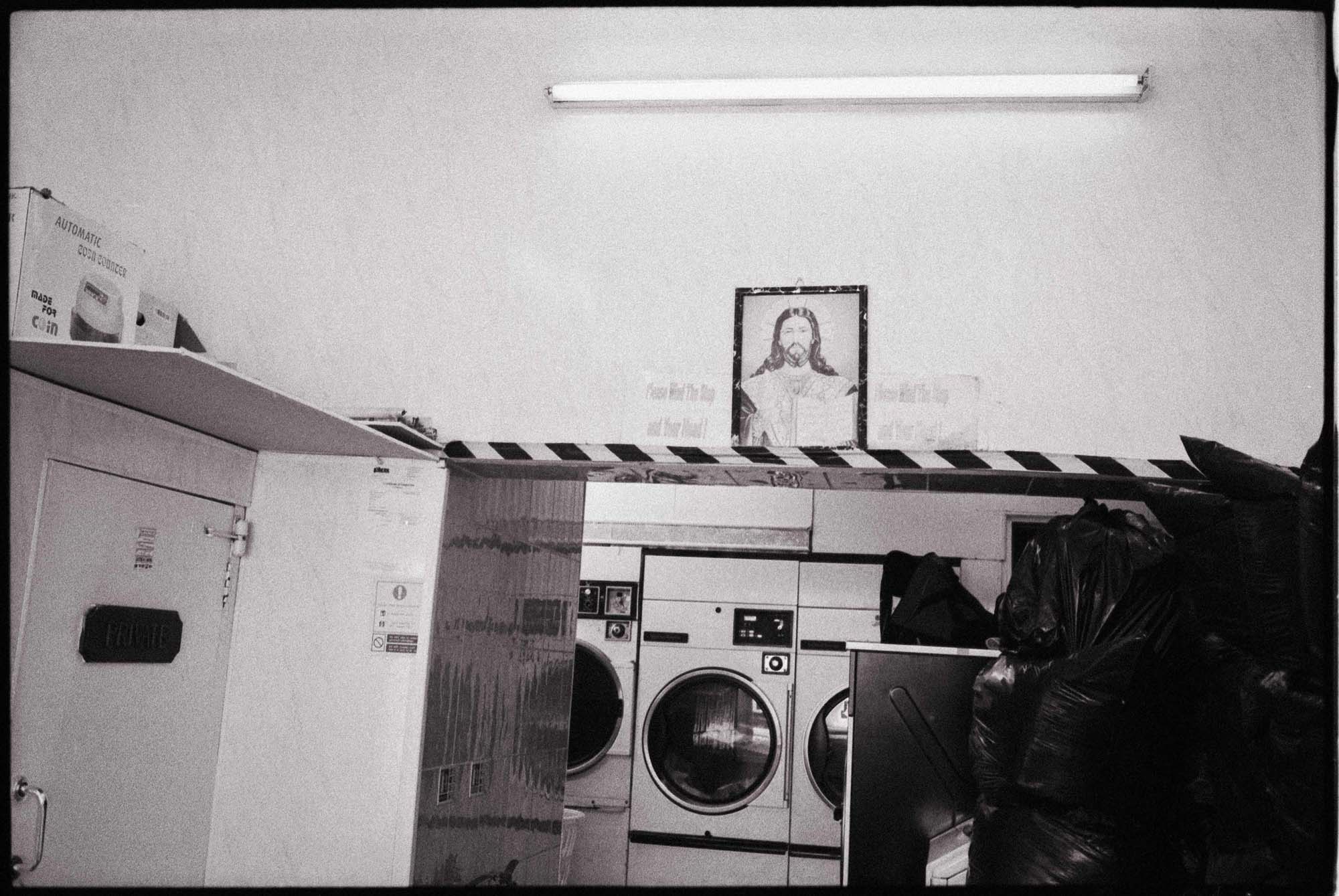
BC: It’s usually based on a phase I’m in. It’s usually sparked by seeing other people’s work I admire, which inspires me to shoot. I shot almost exclusively black-and-white when I started, and still do predominantly, but I’ve been shooting a lot more colour in the last couple of years—prompted by seeing the work of others. There are some crazily-talented photographers on Instagram, people that I genuinely think might have special powers bestowed upon them by some ancient-yet-dormant-for-most-of-time photography god! I’m thinking of people like Shin Noguchi, who I’ll never quite comprehend.
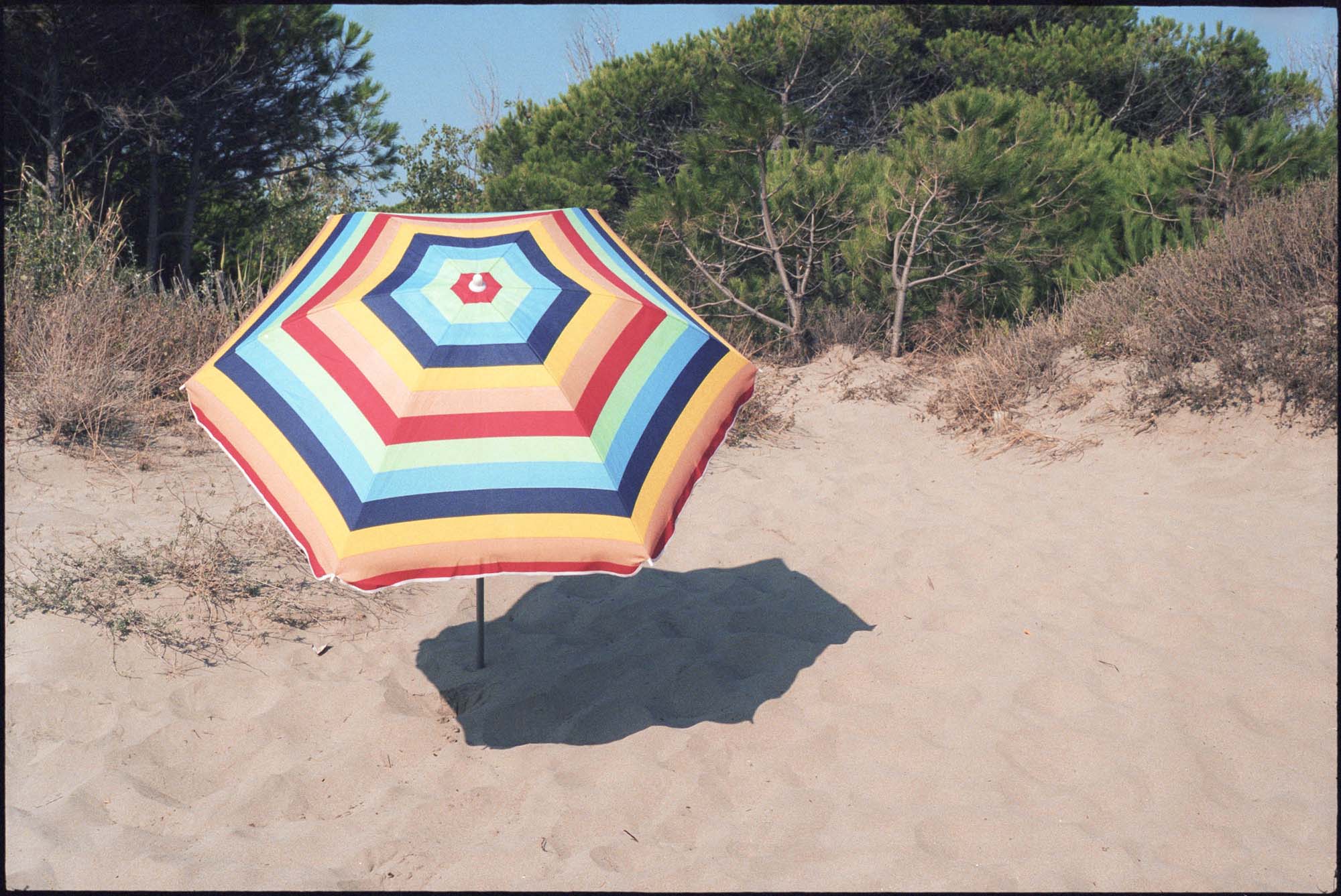
But aside from simply being inspired by others’ work, it’s kind of logistical too. If I’m going to London on a sunny day, I’ll probably be in the mood for some more direct street shooting with a few rolls of Portra 400 and the 35mm. Probably interspersed with a beer or two and a conversation with a stranger. On the other hand, if I go for a walk around Brighton it will be a little quieter and more contemplative with some Tri-X and the 50mm perhaps. The problem—or benefit—of having one film camera is that you basically get what you’re given. You’re kind of stuck with whatever film happens to be inside when you pick it up. There is, of course, a strong argument for sticking to one medium, but that boat sailed a long time ago it seems.
MPB: How do you know when a shot works with black-and-white and colour—is there a way you could describe this?
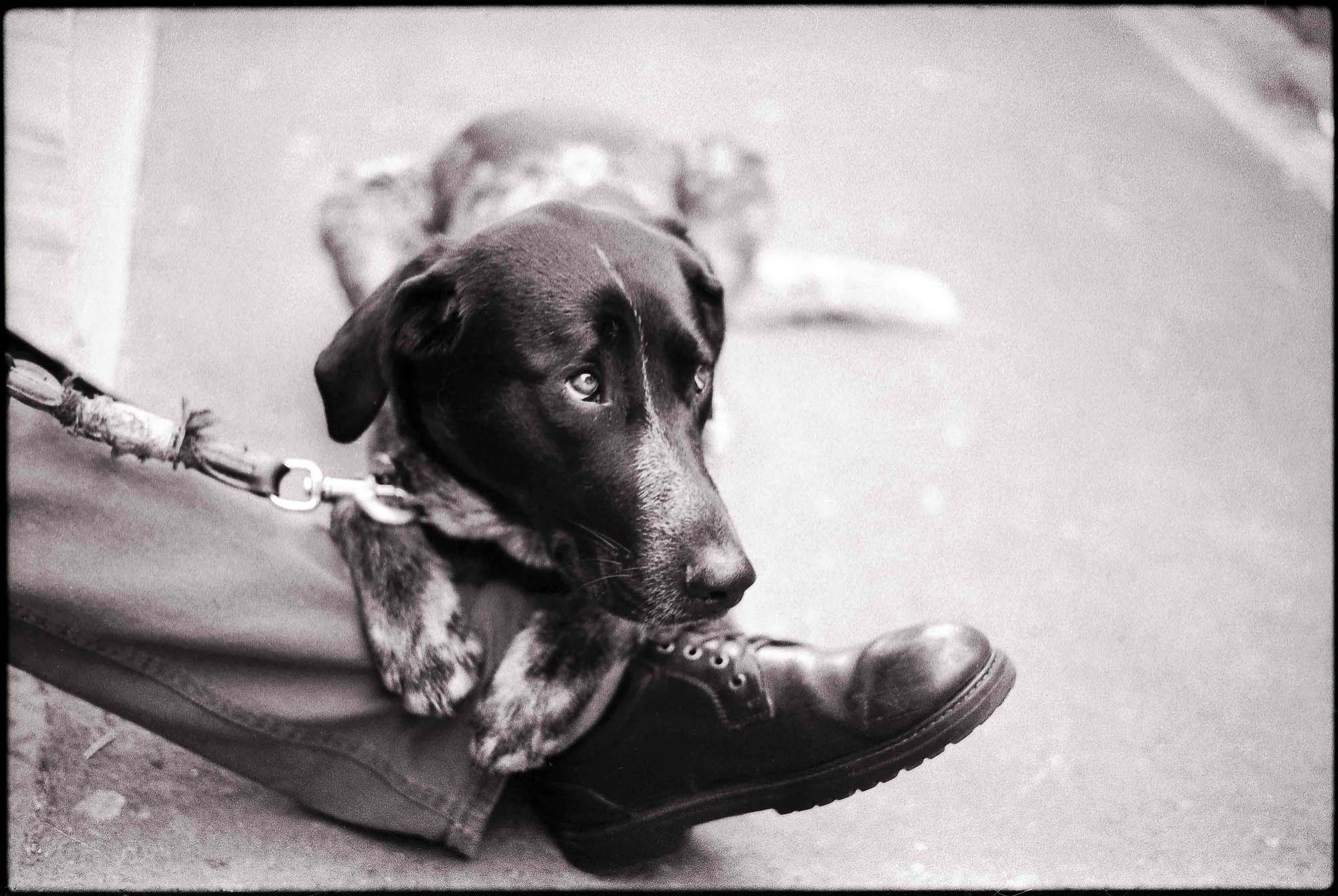
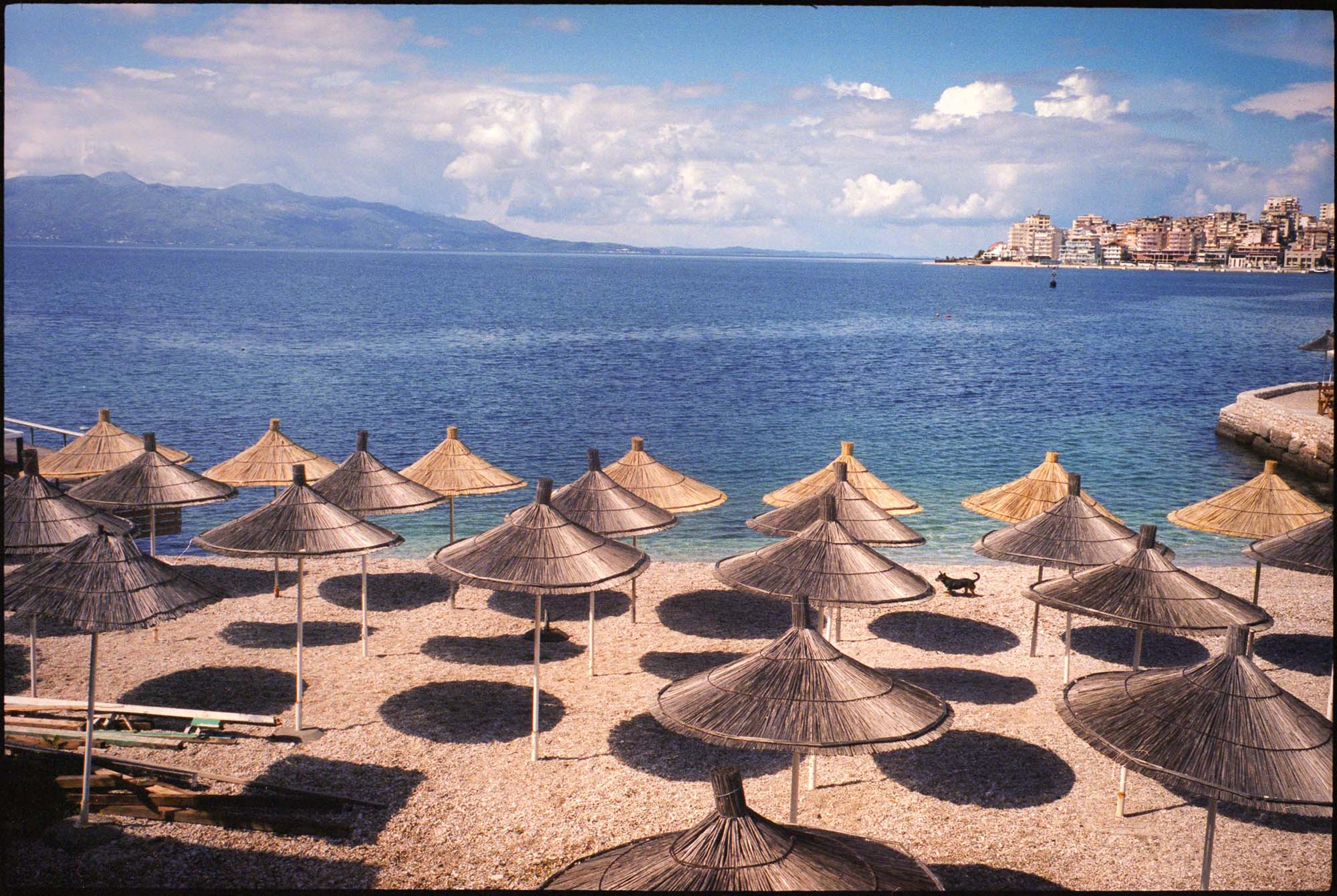
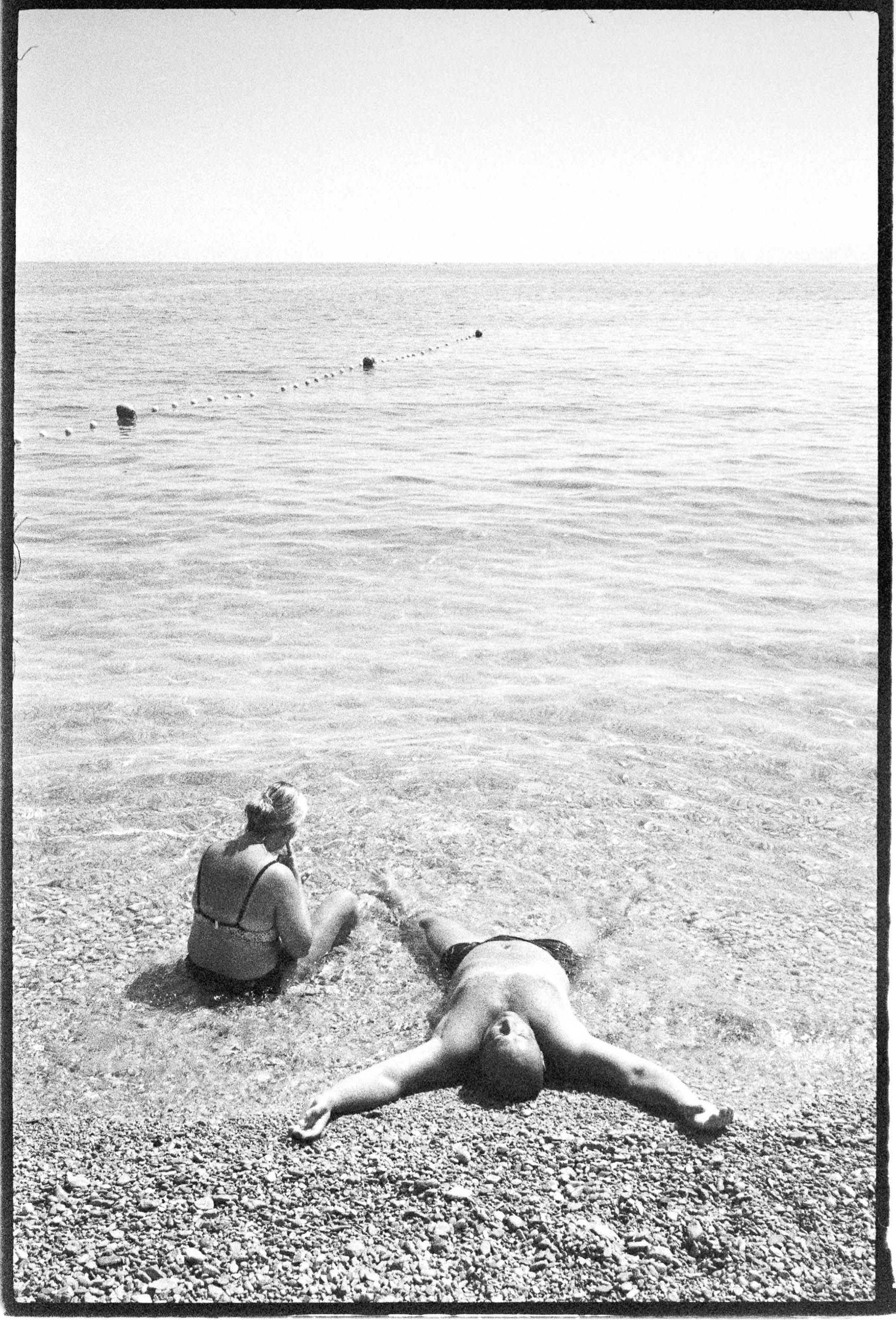
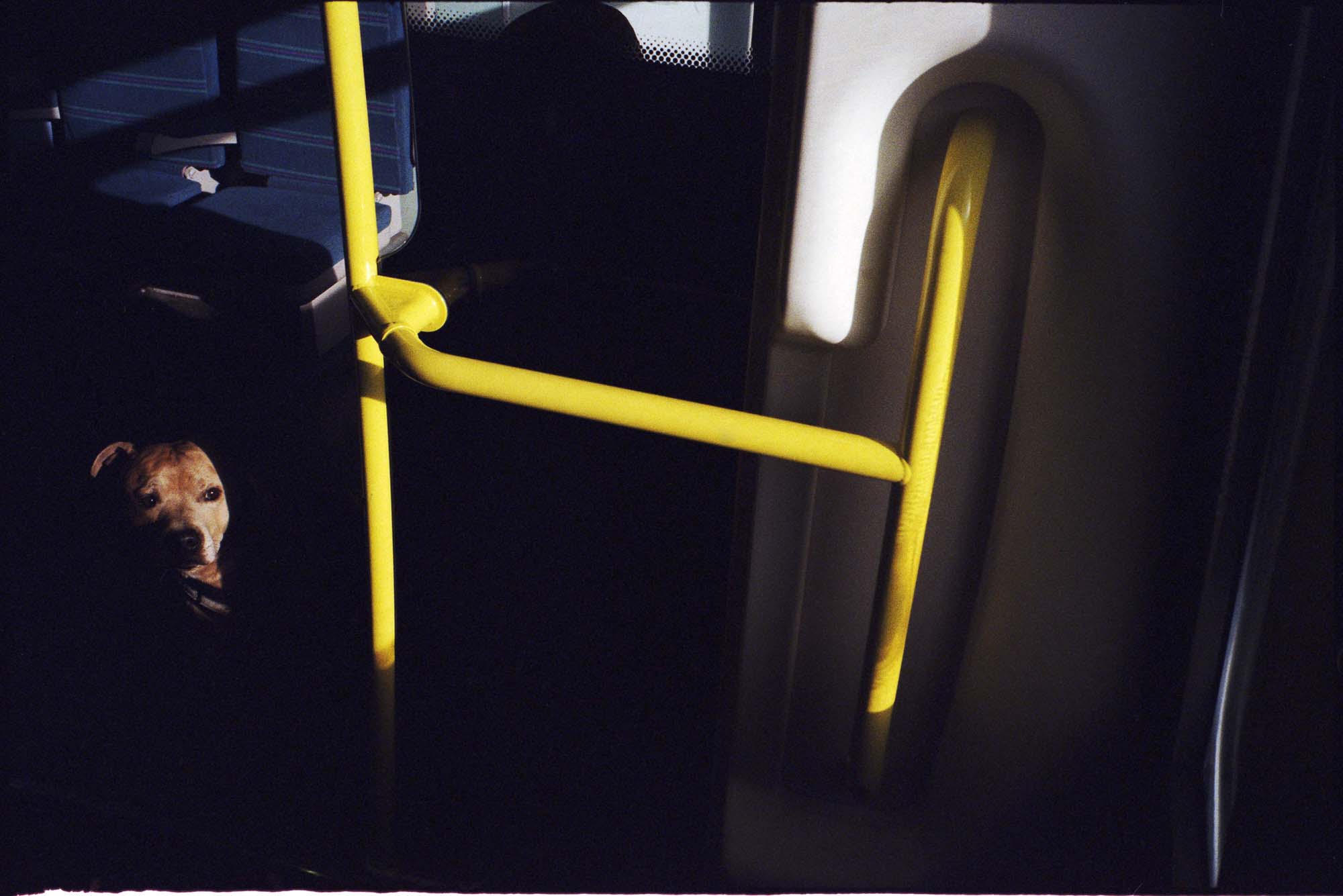
BC: I’m still not sure if I even know exactly. In either medium, there’s the obvious stuff you look out for. With black-and-white, it’s the strong forms, shadows and textures whilst in colour, it’s more about the light, which I’m yet to capture half as seemingly effortlessly as many out there! Photographers like Lena Jeanne, for example. Although I must have already known it, more and more I’m realising that the time of day—and the interplay between light and subject—is so crucial to getting the best out of colour film. When you manage it, nothing can quite compare. ‘Painting with light’, as someone once said. [Miroslav Tichý]
MPB: You live in Brighton and shoot a lot there. How do you get around re-imagining the town you live in to make it appealing to shoot?
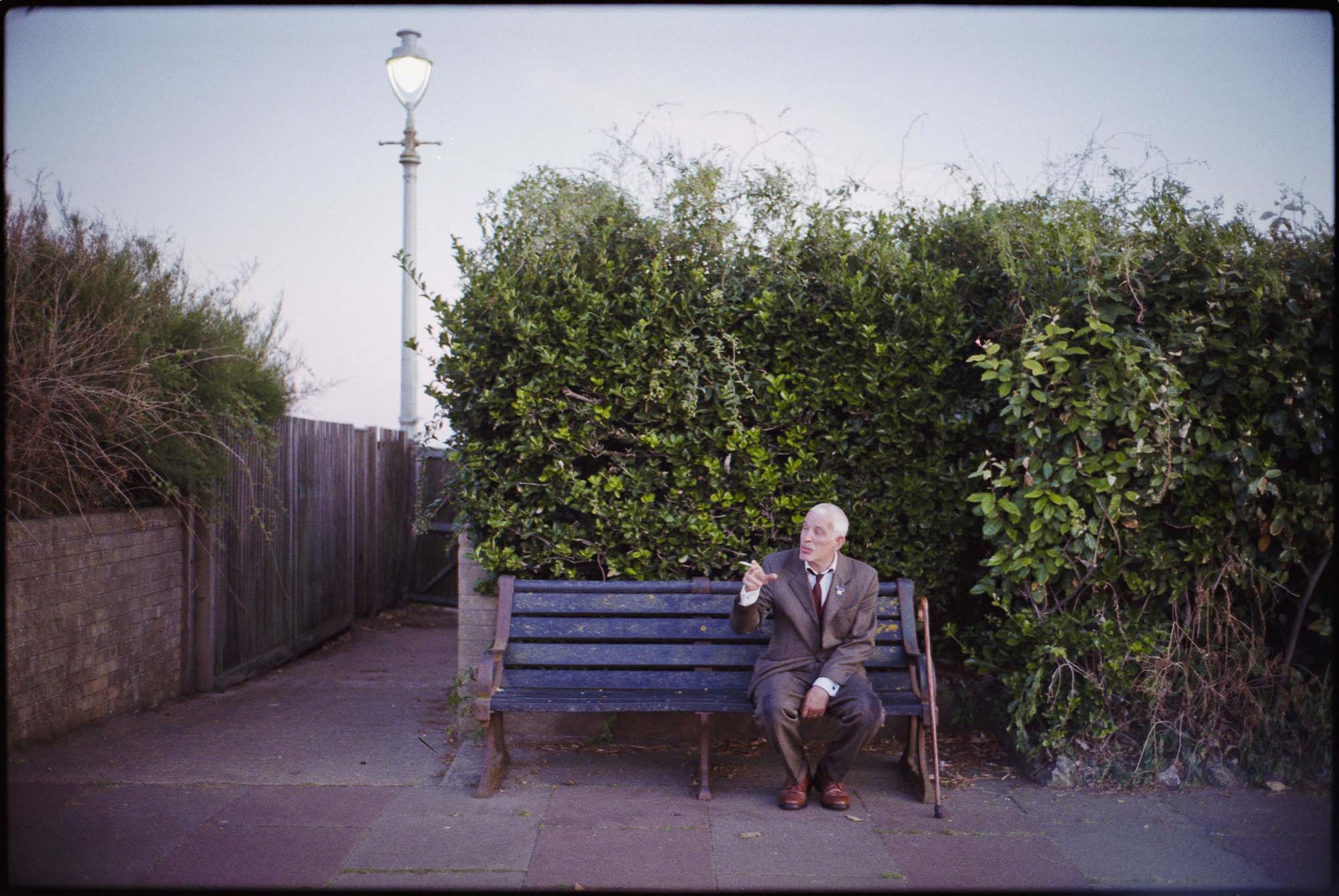
BC: Even before I got back to photography, I’d explored Brighton and Hove, looking for unseen architectural flourishes, faded signs, and old forgotten corners. It’s hard to put myself into the shoes of someone for whom it’s new. Something I’ve tried to remind myself recently is what seems usual, even mundane to me, might be interesting to others. The Regency architecture of Brighton, I take for granted. But for someone from across the world, as a city backdrop, it might be quite spectacular because it is so steeped in history. So, I guess, reaching a happy medium by finding some quirk or something surreal in and amongst those more obvious ‘Brighton’ themes is something I’d like to try more of.
MPB: How important is your equipment to you? Can you tell us a bit about your go-to kit?
BC: I don’t think I’m the most materialistic of people, but I’d have to say my Leica M6 is by far my favourite of any object I own. I’ve had it for seven years now, and it’s seen a lot of action and has been to many places. The light meter lasted for more than four years, and I never replaced it. So, other than taking the odd initial light reading with the Lux app, I shoot my eye like a true hipster. That’s one of the things that surprised me when I first started shooting film again, just how forgiving it is. Particularly Tri-X pushed to 1600. So, it soon became second nature. Anyway, that Leica M6 has now been serviced at least four times, due to mishaps involving various unpleasantly hard surfaces and inappropriate substances—pavements, wine, beer and ice cream. It’s been left in pub toilets, on tube trains, and coaches on the way back from weddings, but it’s always somehow managed to find its way back to me. And it still works pretty damn well.
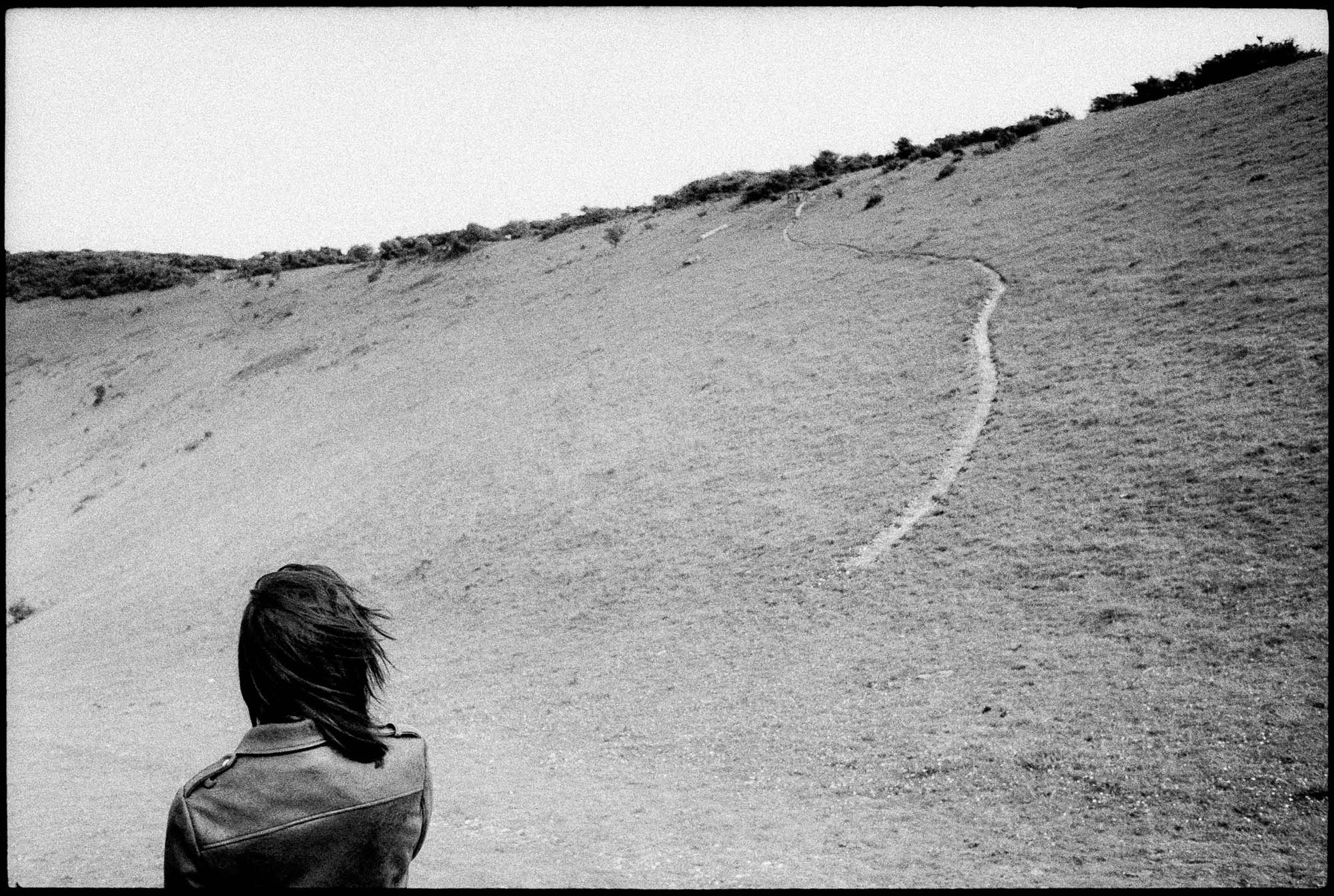
My first lens was an early 50mm Summicron v4, a really stunning lens. But curiosity eventually got the better of me, and I ended up selling that 50mm and buying a 35mm. For the last two years, I’ve owned both focal lengths—sadly not that same 50mm— and still can’t decide which one to stick with. The 50mm is so much easier for composition and suits a cleaner, more thoughtful look. It also precludes having to get in people’s faces. The 35mm lends itself to that almost punky look of slightly-off angles and frame-filling closeness, à la Klein or Winogrand. And I still can’t decide which side I prefer, perhaps because I like both in equal measure. Maybe I’m getting to a middle place, where I manage to use each to its advantage.
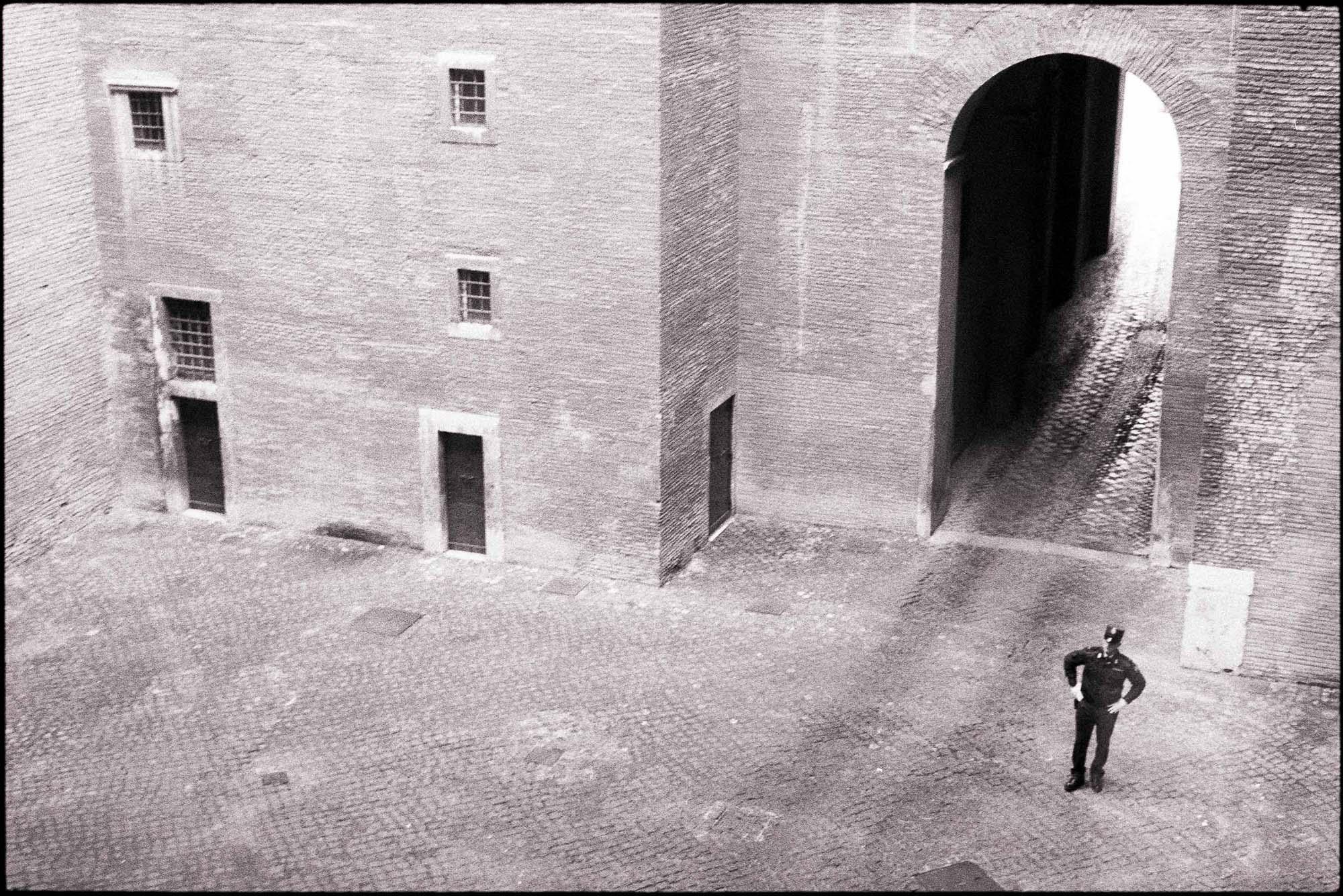
MPB: How did you cope with the challenges presented in 2020? How did this affect your shooting?
BC: Funnily enough, I did manage to get to Palermo in September last year between lockdowns. Photography-wise, it was one of the least rewarding trips I’ve ever been on. Whilst I think my mood contributed to it—somehow my mojo just wasn’t there and I was feeling too self-conscious—it felt odd and a bit empty from how I remembered it. This, in turn, made me a bit more wary and less willing to put myself in potential jeopardy by photographing people. On the flip side, I’ve been to London a couple of times recently and you can really feel the buzz of freedom and things happening again. And that’s very refreshing, after the truly lifeless streets of Brighton and Hove for the past year.
Thanks, Ben. You can see more of Ben Carias’ work on Instagram @baxcarias. Thinking of upgrading? Don't wait to sell or trade. For more interviews, tips and techniques and camera gear guides, visit the MPB content hub.