
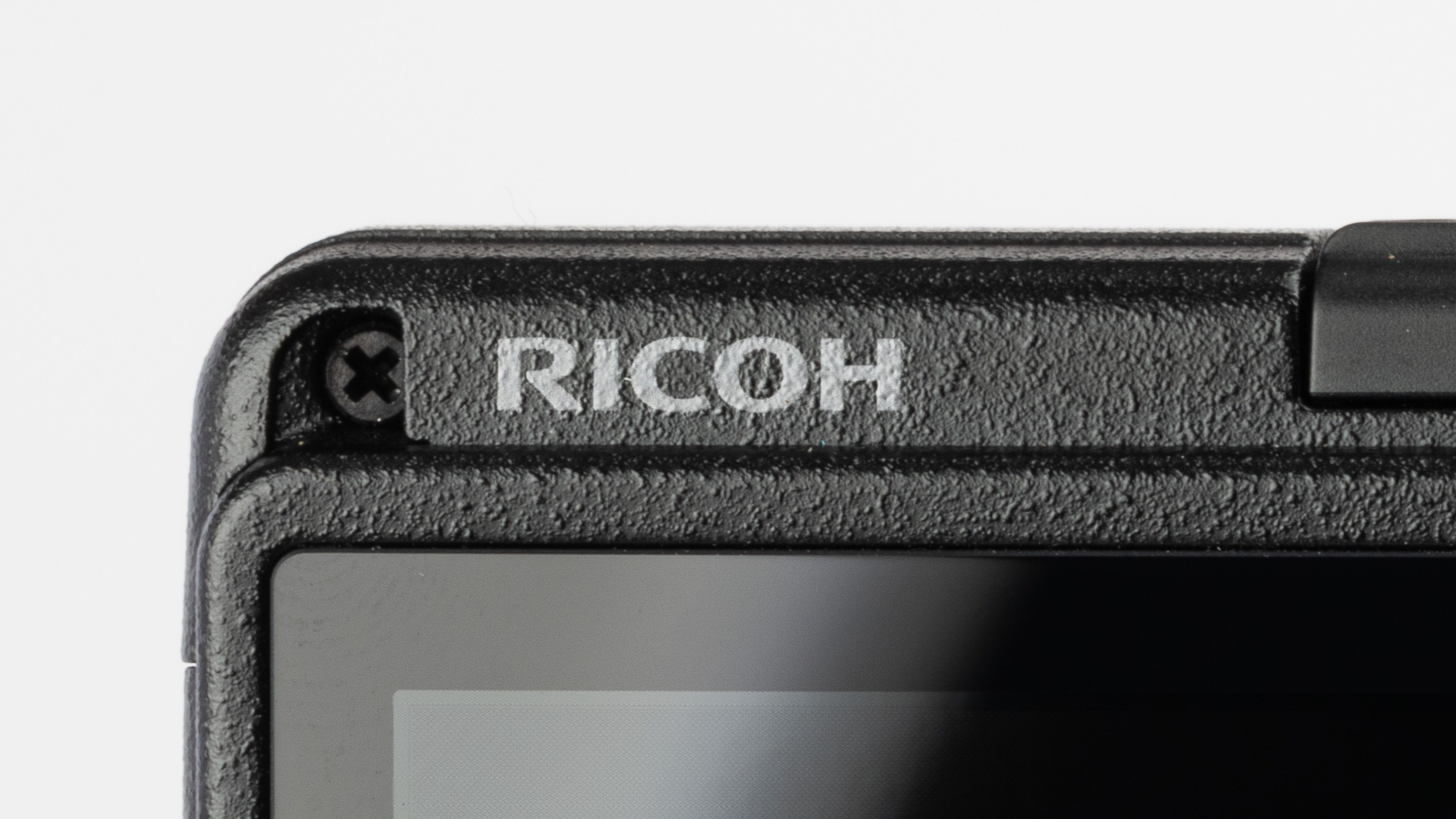
Ricoh has confirmed what many GR lovers have been expecting: the development of a new ‘x’ variant of the Ricoh GR IV. The Ricoh GR IVx will feature a 40mm-equivalent lens and upgraded 4K 30p video. Not many surprises here.
MPB photographer Connor Redmond wrote our Ricoh GR IIIx review, and has years of experience with compact cameras. In this article, Connor will see what has changed with the Ricoh GR IVx, what’s been added and how its specs compare to those of the GR IV and GR IIIx. If you’re looking for other compact camera options to the Ricoh GR IVx ahead of its release, Connor will also introduce the five best alternatives.
This article covers everything we know about the Ricoh GR IVx so far, and will be updated with a full review when we learn more and when we get our hands on the camera.
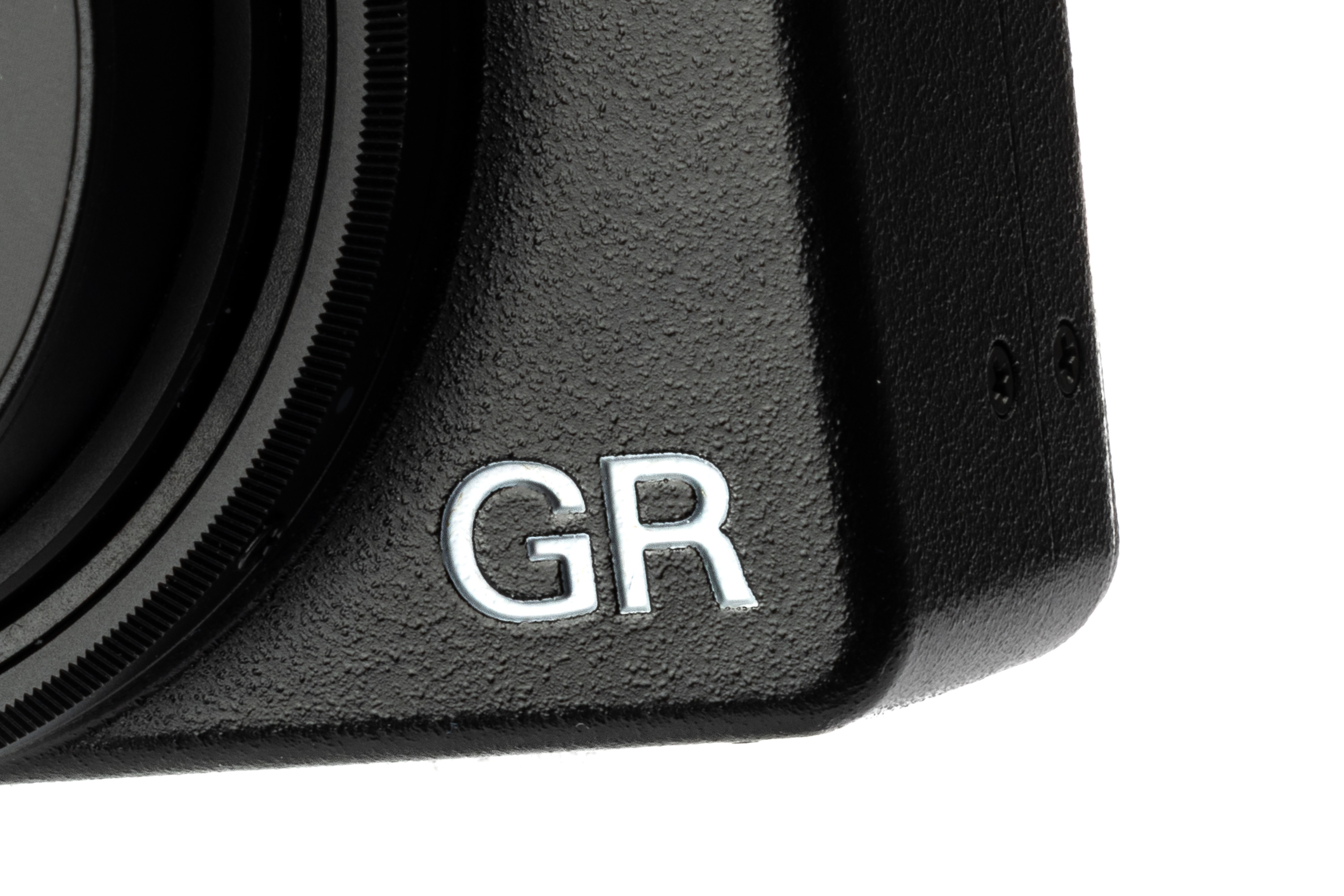
Used Ricoh GR IV
Confirmed Ricoh GR IVx Specifications
When Ricoh announced GR IVx development, they shared what the camera is likely to feature. Here’s how it stacks up against the Ricoh GR IV and Ricoh GR IIIx.
GR IVx | GR IV | GR IIIx | ||
Sensor | APS-C | APS-C | APS-C | |
BSI | Unconfirmed | Yes | No | |
Processor | Unconfirmed | GR Engine 7 | GR Engine 6 | |
Lens | 26.1mm f/2.8 | 18.3mm f/2.8 | 26.1mm f/2.8 | |
Eqiv. | 40mm | 28mm | 40mm | |
ND filter | 2EV | 2EV | 2EV | |
Megapixels | 25.7 | 25.7 | 24.2 | |
Resolution | 6192x4128 | 6192x4128 | 6000x4000 | |
Crop modes | 50mm, 71mm | 35mm, 50mm | 50mm, 71mm | |
ISO min | 100 | 100 | 100 | |
ISO max | 204,800 | 204,800 | 102,400 | |
Shutter, mech | 1/4000 | 1/4000 | 1/4000 | |
At f/2.8 | 1/2500 | 1/2500 | 1/2500 | |
Shutter, elec | NA | 1/6000 | 1/6000 | |
Autofocus | Phase-contrast | Phase-contrast | Phase-contrast | |
IBIS | 5-axis | 5-axis | 3-axis | |
Flash | Hotshoe | Hotshoe | Hotshoe | |
Max video | 4K 30p | 1080 60p | 1080 60p | |
Internal memory | 53GB | 53GB | 2GB | |
Media | MicroSD | MicroSD | SD | |
Port | USB-C | USB-C | USB-C | |
Battery | DB-120 | DB-120 | DB-110 | |
Battery, shots | Approx 250 | Approx 250 | Approx 200 | |
Wi-Fi, GHz | 2.4, 5.2, 5.8 | 2.4, 5.2, 5.8 | 2.4 | |
Bluetooth | Unconfirmed | 5.3 | 4.2 | |
Width, mm | 109.4 | 109.4 | 109.4 | |
Height, mm | 61.1 | 61.1 | 61.9 | |
Depth, mm | 33.4 | 32.7 | 35.2 | |
Weight, g | 265 | 262 | 262 | |
Release year | Unconfirmed | 2025 | 2021 | |
Launch price | Unconfirmed | €1,349.99 | €999 |
Ricoh haven’t confirmed details about the GR IVx’s processor, backside-illuminated sensor (BSI), Bluetooth capabilities or any new features they might have in store for us. If there are, then it will be revealed in the official announcement. But my prediction is that the only real difference will be the lens.
If all goes to plan, Ricoh expects to release the camera in winter 2026. The price has not been confirmed yet, but my prediction is that the Ricoh GR IVx will launch with the same price as the GR IV, or perhaps just a little higher.
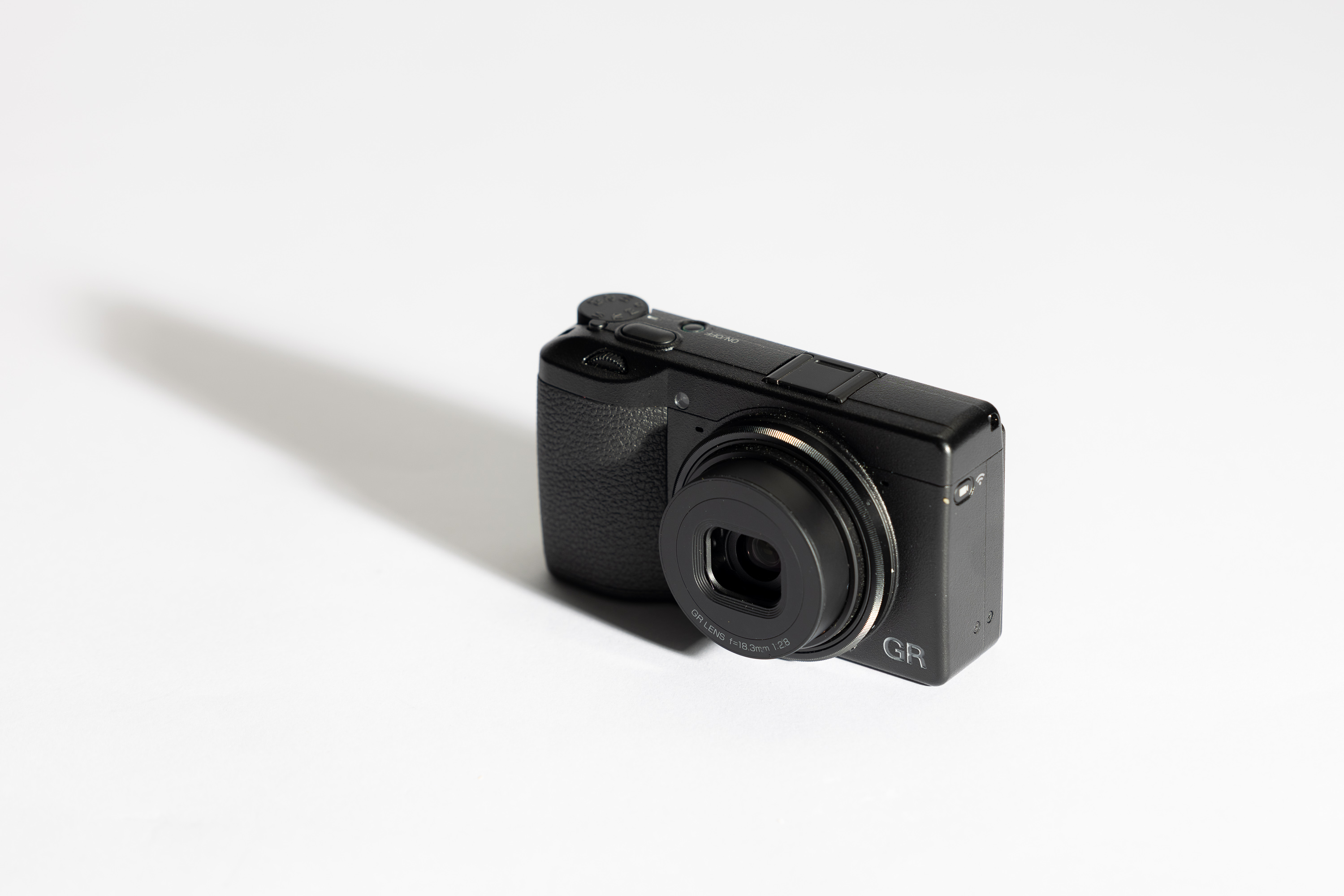
Used Ricoh GR IV
Compared: Ricoh GR IVx versus GR IV
The Ricoh GR IIIx was fairly similar to the Ricoh GR III. So, we can expect the GR IVx and IV to share many of the same specs. Here’s how the GR IVx will be different from the GR IV, based on what we know so far.
Tighter field of view
The biggest difference here is the lens. Like the GR IIIx, the GR IVx has a 26.1mm lens (40mm equivalent, compared to 28mm equivalent), which means you’ll get a tighter field of view. Ricoh claims this is “close to the effective field of human vision”, I tend to agree, but it will come down to personal preference when choosing which perspective you prefer.
Further reach from crop modes
Because we start with a 40mm-equivalent lens, the crop modes then go to 50mm and 71mm instead of 35mm and 50mm on the standard Ricoh GR IV.
Better video
Video on the Ricoh GR IV has been upgraded to 4K 30p, rather than just 1080 60p. This brings the Ricoh GR IVx into the 21st century, but I do wonder who is using the Ricoh GR series for video. 4K has been standard for quite some time now, so it’s nice to see the Ricoh GR IVx at least have the standard baseline of 4K video.
More colour tools
The GR IVx will give you palette image control and adjustments to base colour, white point, black point and RGB tone in camera. This is a minor improvement, but a welcome one.
Worse close-focus performance
For extreme close-ups, you’ll have to be twice as far away to focus with the GR IVx: 0.2m normal mode and 0.12 to 0.24m in macro mode, versus 0.1m and 0.06 to 0.15m with the GR IV. This is due to the physical limitations of the 40mm lens.
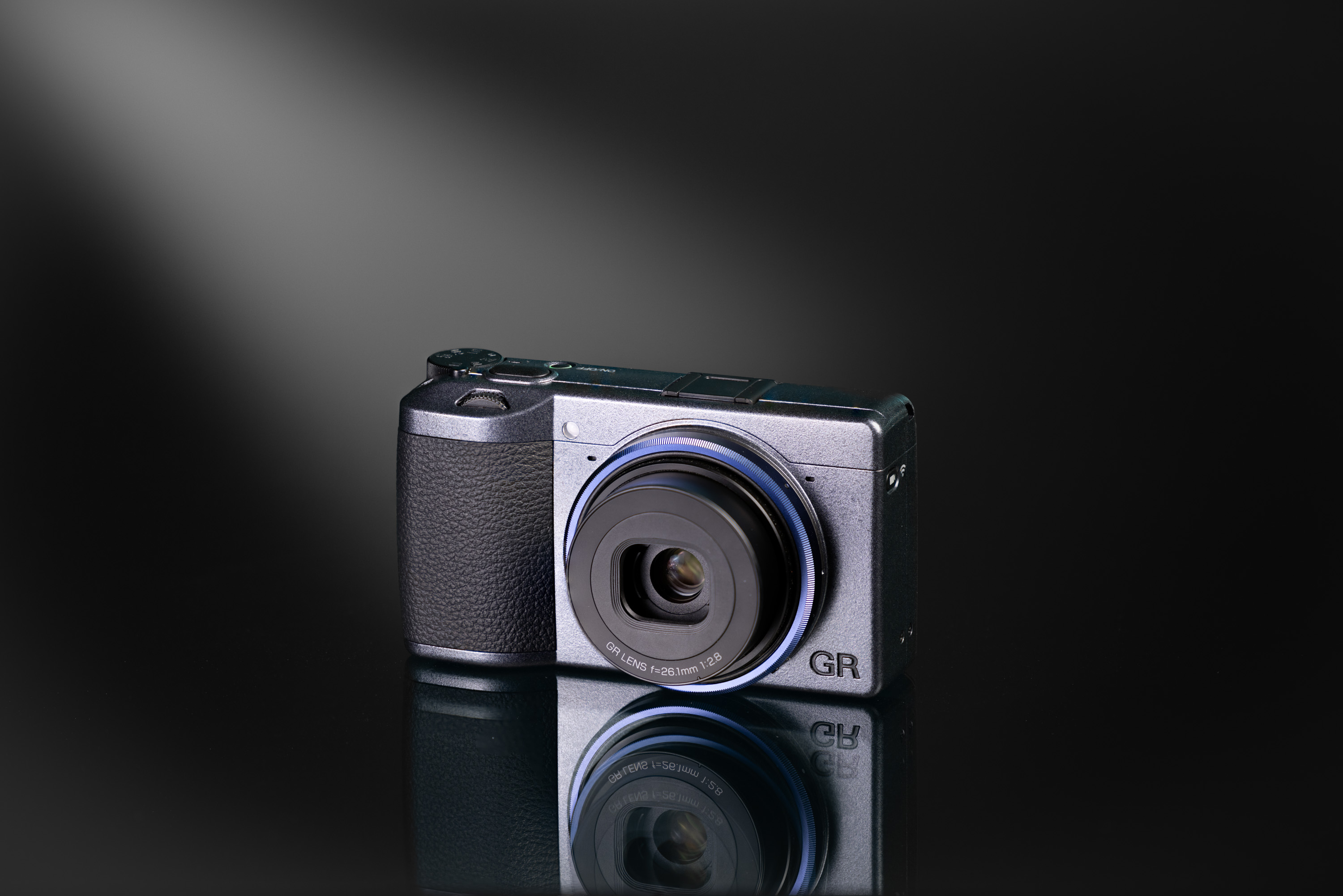
Used Ricoh GR IIIx
Compared: Ricoh GR IVx versus GR IIIx
The Ricoh GR IVx will offer quite a few substantial upgrades from the 2021 GR IIIx. These are mostly carried over from the GR IV, but we may see a few surprises when we watch Ricoh’s official announcement.
New sensor and BSI
The GR IVx increases in megapixels from 24.2 to 25.7, which (in practice) is not much at all. But more importantly, the sensor is now backside-illuminated. This should result in cleaner images with less noise, particularly at very high ISO settings.
Better stabilisation
Stabilisation on the Ricoh GR IVx has been improved to 5-axis, from 3 on the GR IIIx. This should result in sharper pictures when using lower shutter speeds. IBIS is also less of a big deal on wider lenses, like on the GR IV. But with a tighter lens, like on the GR IVx, the more stabilisation, the better.
More internal memory
Like on the GR IV, internal memory has been upgraded to 53 GB from a measly 2 GB on the Ricoh GR IIIx. This is a massively welcome change, and I hope that the whole photography industry goes down the internal memory route like this.
There’s still a MicroSD card slot on the Ricoh GR IVx for external storage. I wish it were a standard SD card, but size tradeoffs have to be made somewhere.
Higher ISO
You’ll be able to crank that ISO to 204,800 on the Ricoh GR IVx, thanks to the new BSI sensor, up from 102,400 on the Ricoh GR IIIx. I’m yet to test the performance of the low-light on the GR IVx, but if it is like the standard GR IV, then it should be decent.
Better video
If you’re one of the few who use the video on your Ricoh as much as the stills, then you’ll be happy. The GR IVx has upgraded the video capability to 4K 30p, up from a now ‘vintage’ 1080p.
Ricoh GR IVx Alternatives
Can’t wait for the GR IVx? Here are five compact cameras that are similar in some ways and better in others. Personally, I think you can’t beat the GR series' compactness.
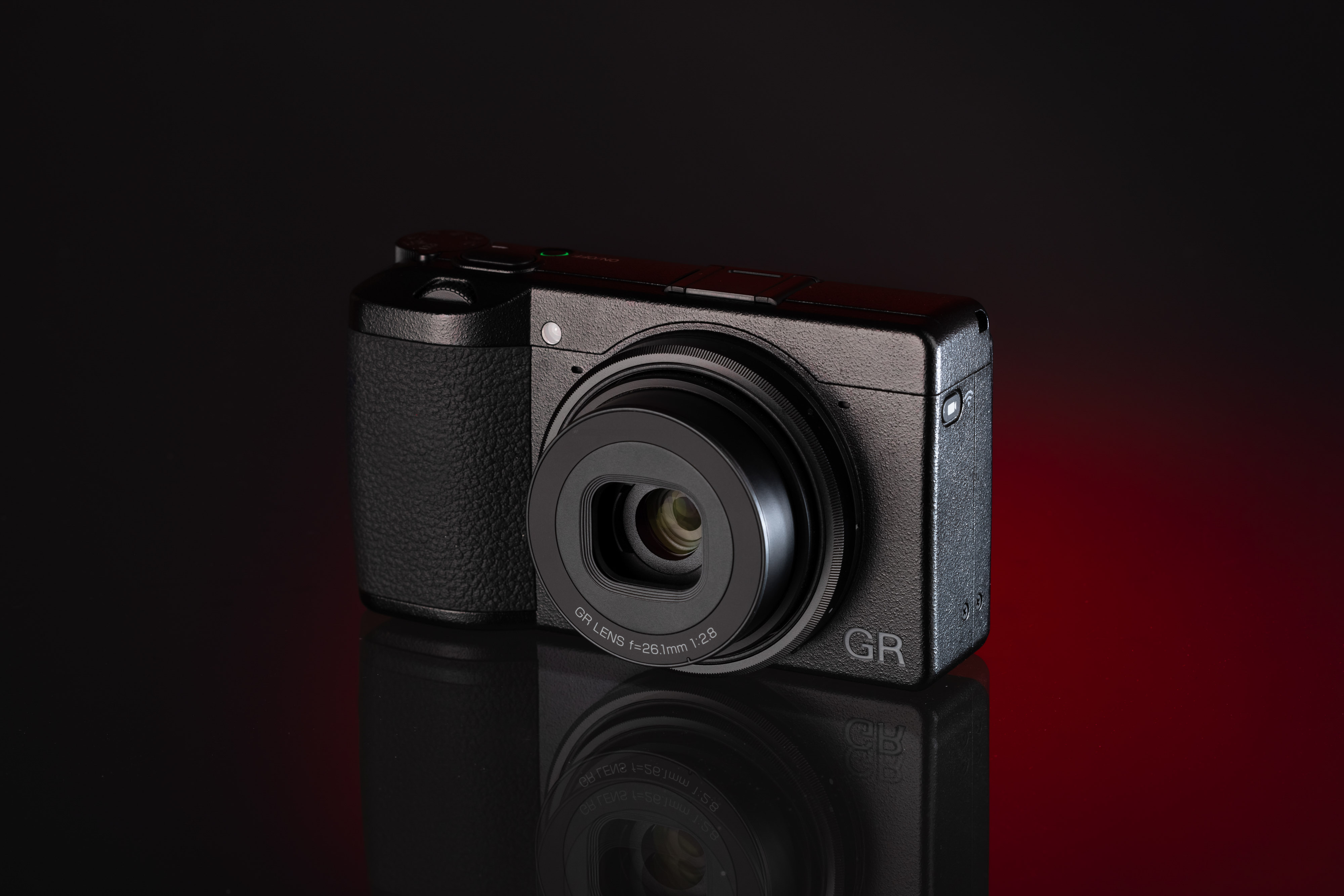
Used Ricoh GR IIIx
Ricoh GR IIIx
Typical secondhand price range: €650 to €1,100
The Ricoh GR IIIx, for most people, will be the more shrewd buy. It’s mostly the same experience as the GR IVx. The GR IVx is a snappier camera and turns on much quicker, which alone might be worth the extra cost. Particularly for street photographers, who need every millisecond of speed.

Connor Redmond | Ricoh GR IIIx | f/4.0 | 1/4250 sec | ISO 100
The extra internal memory on the GR IVx is a great bonus as well. But for those on a tighter budget, get the GR IIIx. Ultimately, the photos you get from both will be very similar if not indistinguishable. Read our Ricoh GR IIIx review.
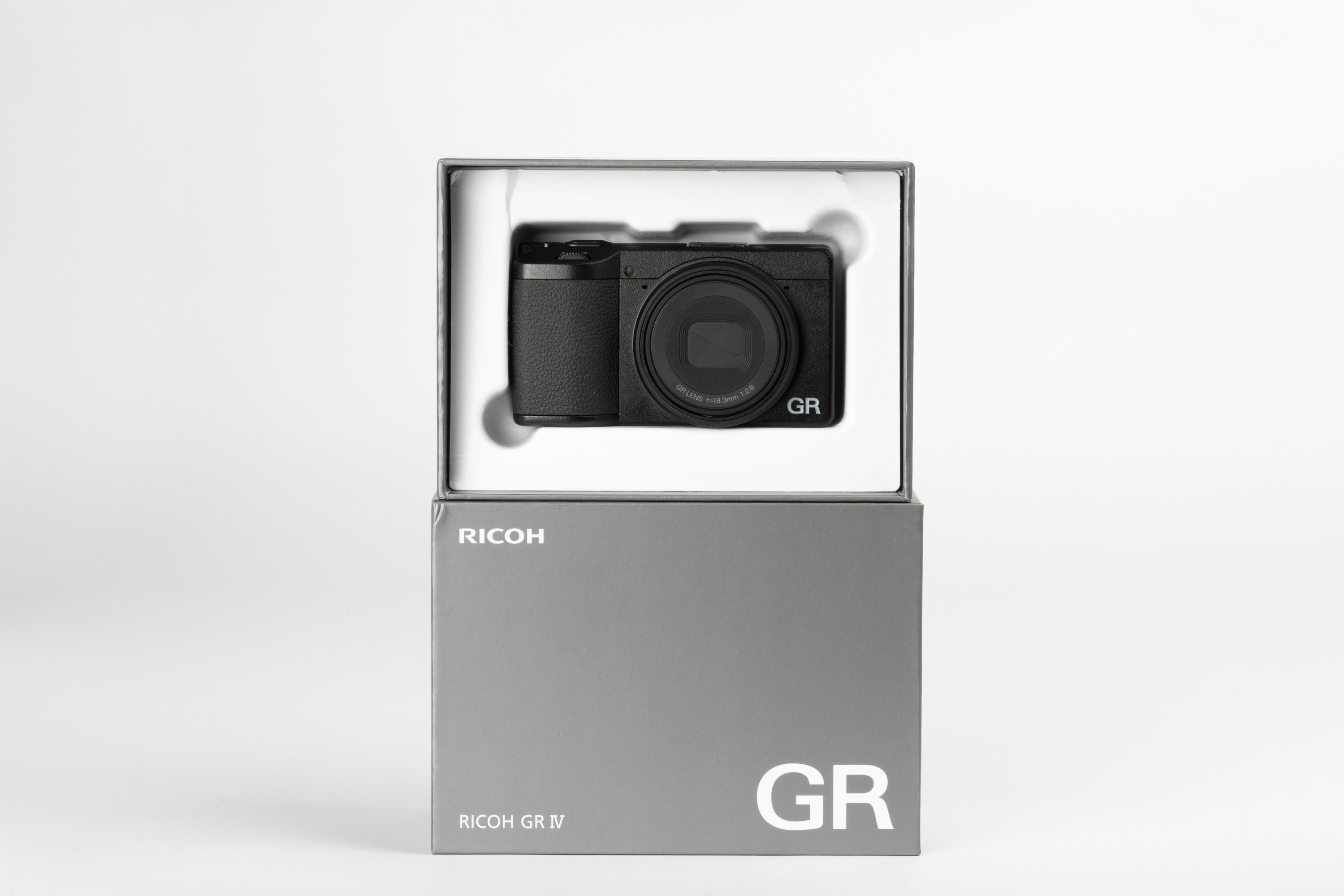
Used Ricoh GR IV in its box
Ricoh GR IV
Typical secondhand price range: €810 to €1,300
If you want the wider lens, and you don’t mind lower-res video, the GR IV is likely to be almost exactly the same. Like the GR III and IIIx before them, there is virtually no difference between them apart from the lens.
Not everyone can get along with the wide-angle view of 28mm, it is worth considering, because 28mm can be a difficult point of view to get to grips with, especially if you are used to shooting more ‘natural’ focal lengths like 35mm and 50mm.
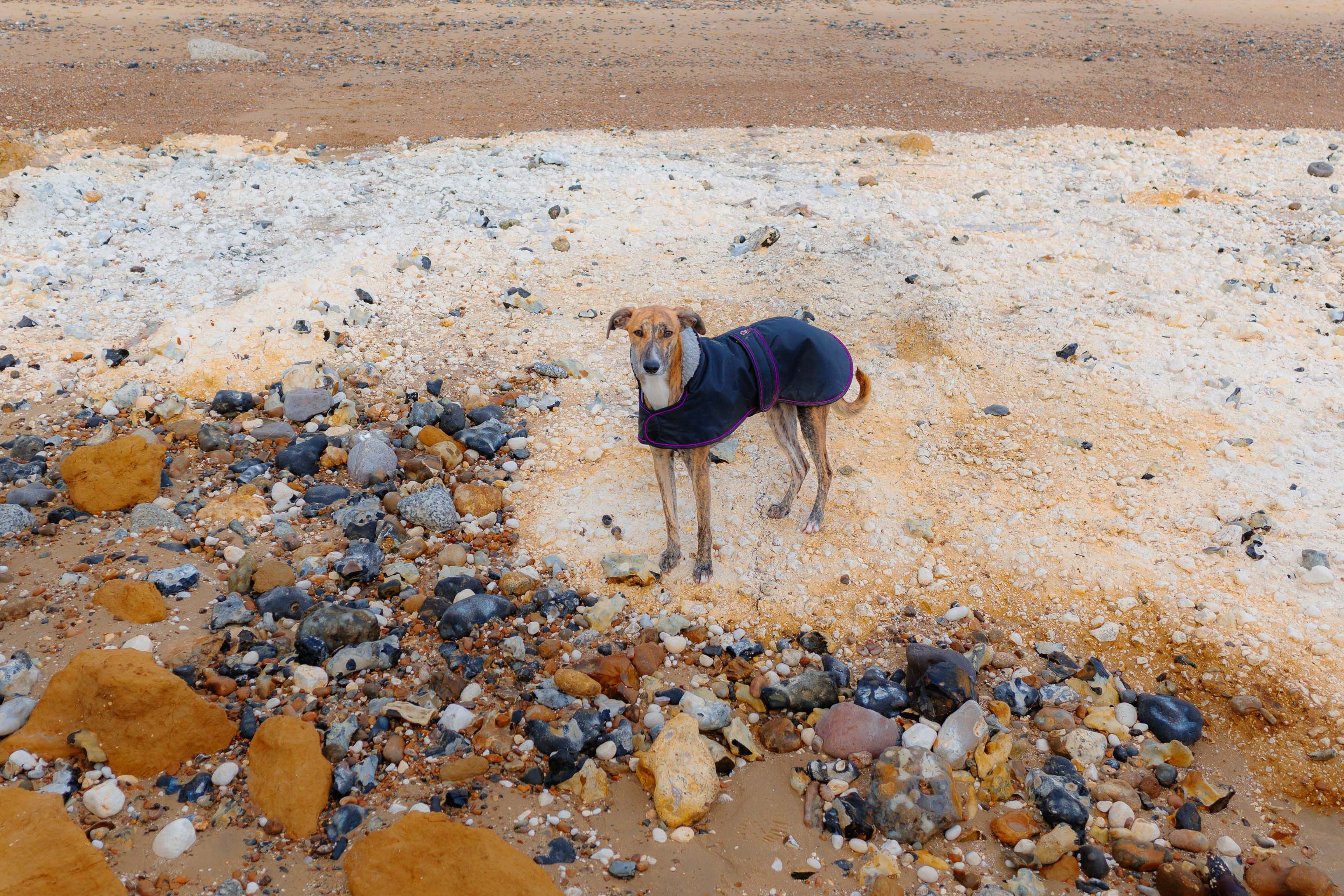
Connor Redmond | Ricoh GR IV | f/2.8 | 1/1000 sec | ISO 200
The GR IV and GR III are not the most ideal cameras for portraits, they are good for casual group shots, but if you take a lot of individual portraits, then the GR IVx or GR IIIx are better options with a close to natural look.
Read our Ricoh GR IV review. Or, for the cheaper version of that camera, you might find our Ricoh GR III review interesting too.
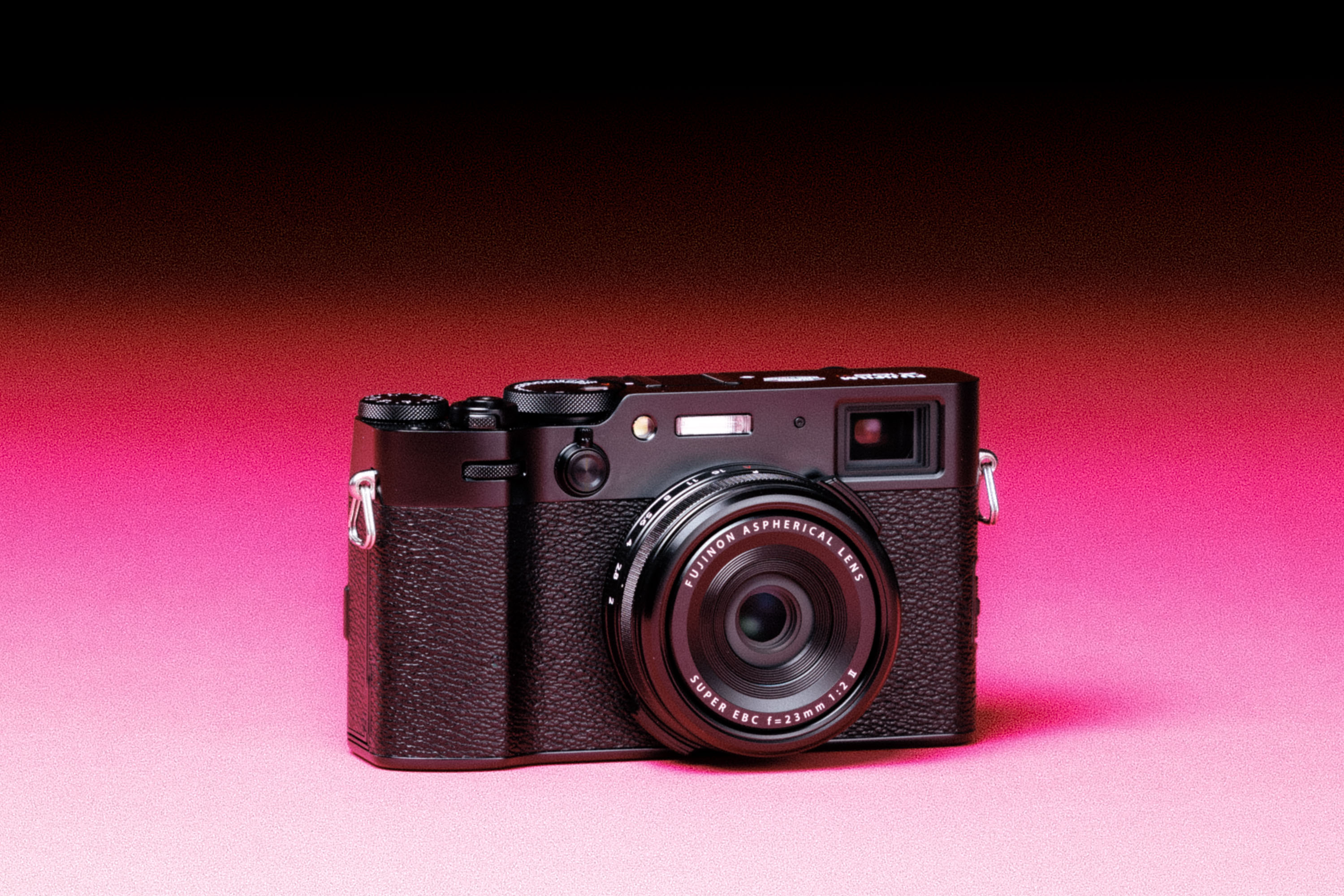
Used Fujifilm X100VI
Fujifilm X100VI
Typical secondhand price range: €1,100 to €1,800
If you really value a viewfinder and more tactility, then I’d recommend getting the Fujifilm X100VI or a cheaper X100-series model. What you trade in size, you gain in a fantastic hybrid viewfinder. You can use both an electronic or an optical viewfinder, whatever suits your style. You can get attachable viewfinders for the Ricoh GR series, but they’re small and mostly for reference.
https://youtu.be/ex1F7SgqLsY?rel=0In terms of image quality, it’s a close call. Both the Ricoh GR IVx and the Fujifilm X100VI rock an APS-C sensor, but the X100VI offers a higher resolution of 40 megapixels. So, if you intend to print images large, then the X100VI is probably the better option for you. The X100VI also performs better in low light, with its faster f/2.0 lens, and has better autofocus than the GR IVx. Both cameras have excellent colour rendition, and you’ll probably struggle to put one over the other.

Amy Moore | Fujifilm X100VI | f/7.1 | 1/320 sec | ISO 125
Deciding between the two, the Ricoh makes the most sense when pocketability is the defining factor and use case. Ricoh GR-series cameras are incredible for their size and weight (they’re like little magic boxes), but it comes at the cost of a viewfinder, weak battery life and small buttons that bigger hands will struggle with. If you value always-with-you then go with the Ricoh, but if you value a better overall shooting experience and don’t mind using a camera strap, then go with the X100VI.
Read our Fujifilm X100VI review. Or, if the X100VI’s a bit too much, our X100-series compact camera guide should help you find the right one.
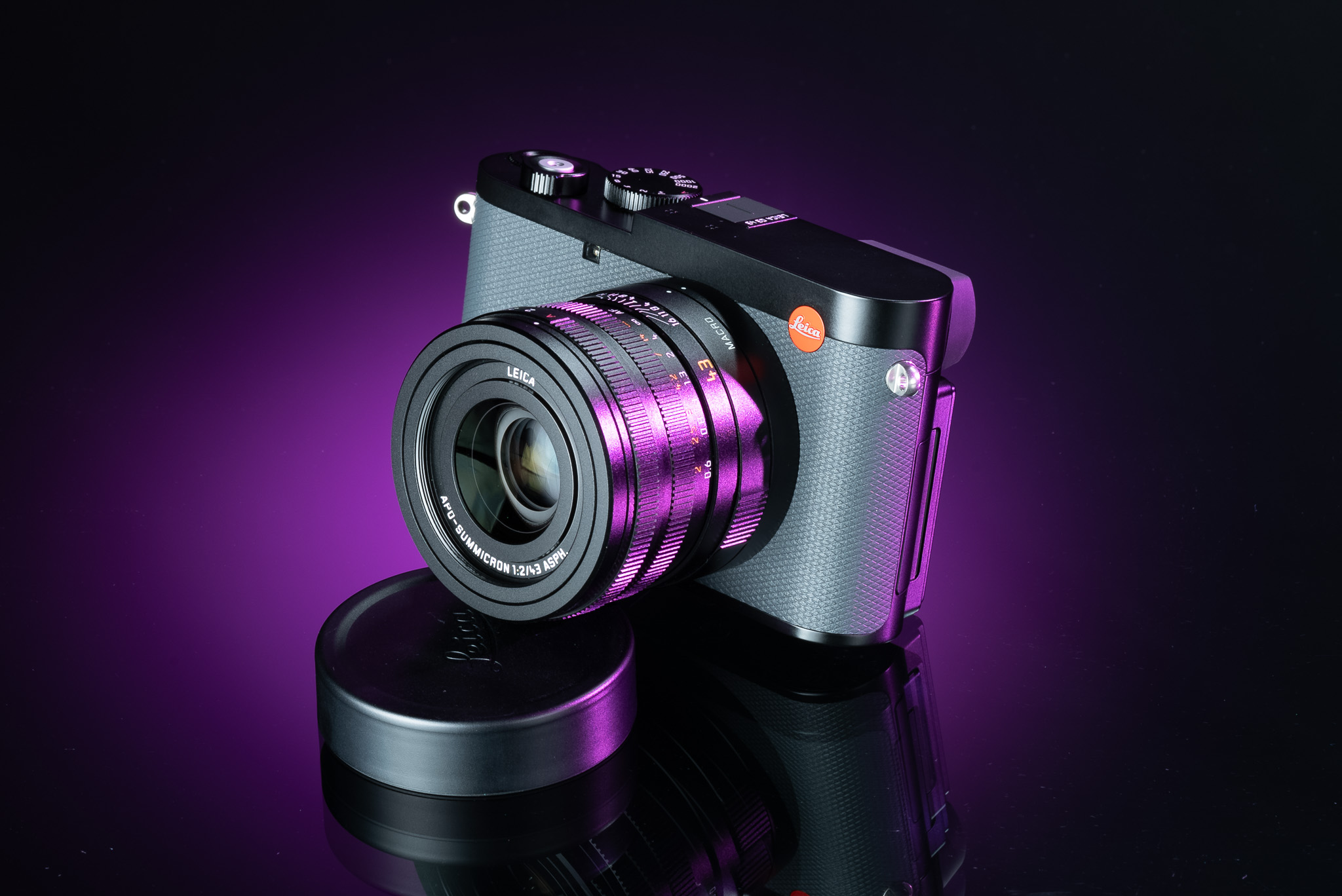
Used Leica Q3 43
Leica Q3 43
Typical secondhand price range: €3,900 to €6,400
Another unique camera with roughly the same focal length at 43mm is the Leica Q3 43. Put into a category all on its own by its luxury price tag, the Leica Q3 43 is the full-frame premium answer to the Ricoh GR IVx.
The Q3 43 offers exceptional image quality with a fast f/2.0 lens. The Ricoh GR IVx won’t compete with it at all, but it’s an interesting alternative because they share the same focal length yet approach shooting experience differently.
The Leica is much bulkier and heavier than the X100-series cameras, and it’ll make the Ricoh GR IVx look tiny. But what you trade in size, you get back in image quality. The feel in hand is substantial and, again, it’ll make the GR IVx feel almost like a toy by comparison.
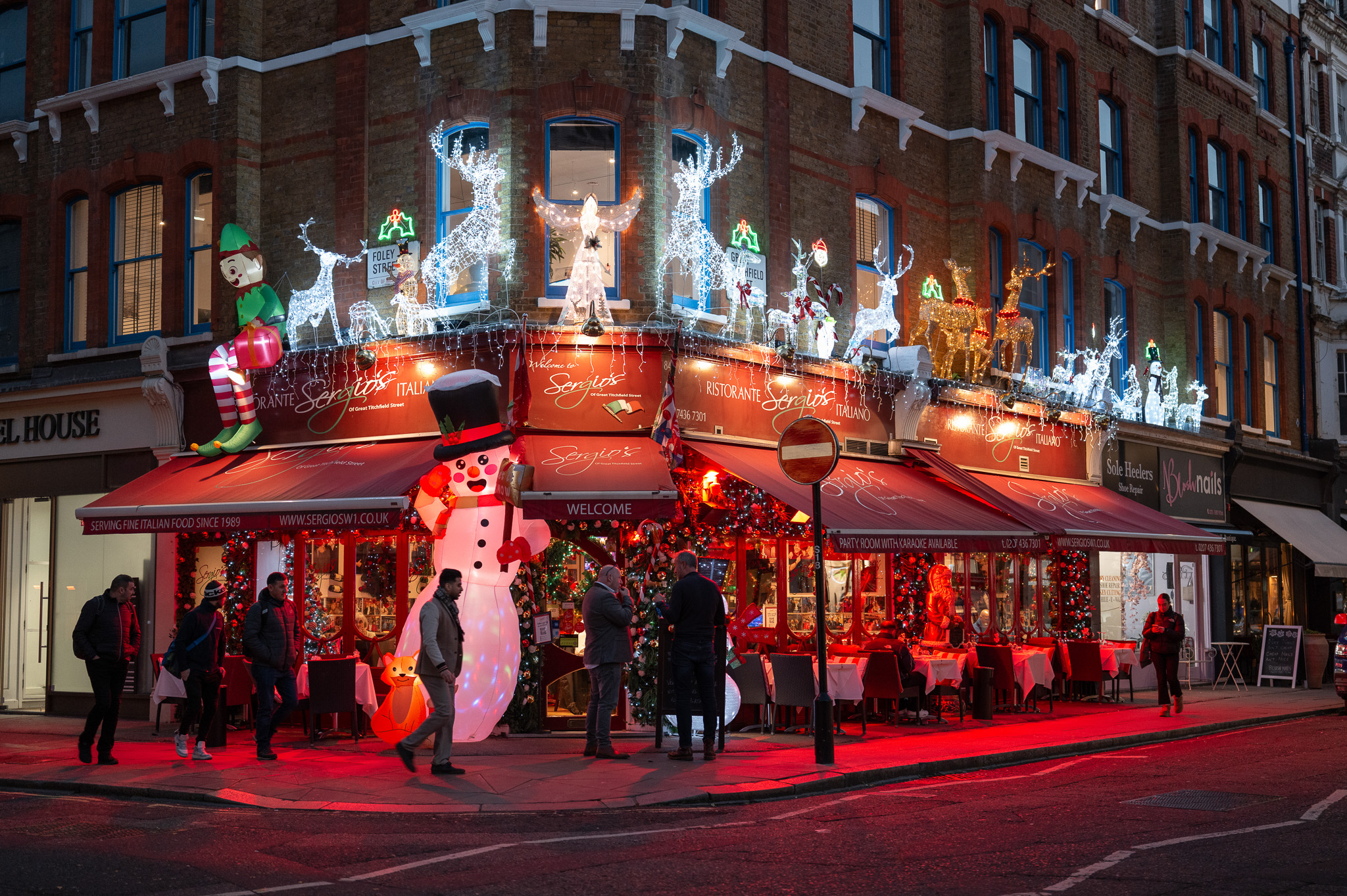
Amy Moore | Leica Q3 43 | Leica APO-Summicron 43mm f/2 ASPH | f/2.0 | 1/125 sec | ISO 1600
Amy took the Leica Q3 43 to test in wintry London and had many things to say about the camera, take a look.
https://youtu.be/WNU_W5sDRKU?si=0SHBDHGQMo6kdhKU?rel=0If you have the budget, the Q3 43 is the deluxe alternative to the Ricoh GR IVx in this niche 40mm fixed lens category. If you don’t care about the size and weight of the Leica and the shooting experience is paramount above all, then the Leica is the way to go.
Read our Leica Q3 43 review. Or, if you prefer a wider focal length, our Leica Q3 review.
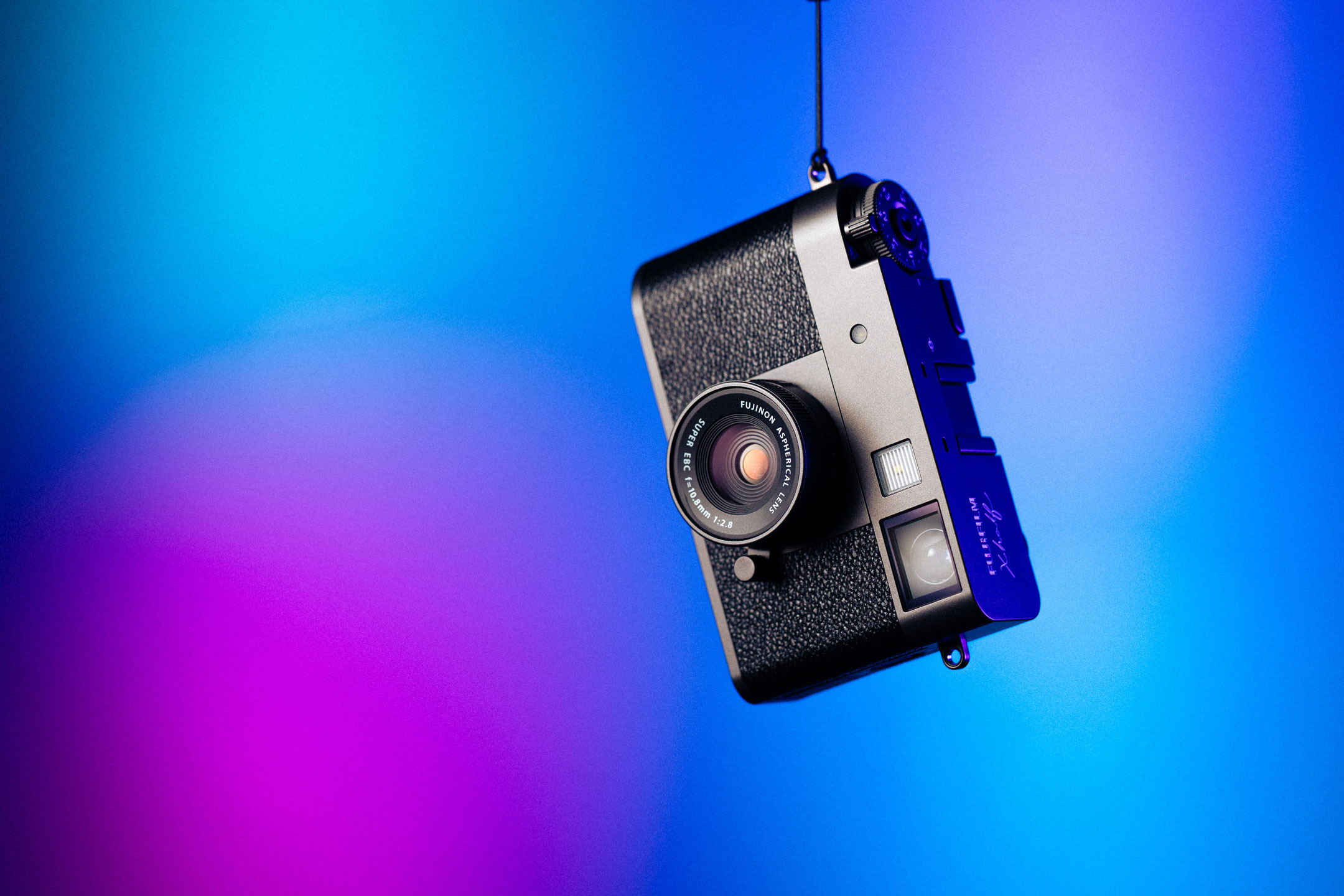
Used Fujifilm X half
Fujifilm X half
Typical secondhand price range: €310 to €510
The Fujifilm X half is a gimmicky but fun camera, a much cheaper option with plenty of downsides. It has an equivalent focal length of 32mm, somewhere between the GR IVx and the GR IV.
MPB’s Amy Moore took the X half on a trip around East Sussex. See how she got on with it in our review.
https://youtu.be/CgNRt4pBiKo?rel=0The X half’s pitch is to capture the fun, spontaneity and aesthetic quirks of a disposable camera, without the cost or hassle of developing film. It cuts a lot of corners in terms of what we have come to expect from modern cameras, but it has an undeniable charm to it nonetheless.

Amy Moore | Fujifilm X half | 10.8mm | f/6.3 | 1/800 | ISO 200
The X half is great for beginners, younger users, casual creators or anyone who wants to take photos without overthinking every setting. Read more about what it can do in our Fujifilm X half review.
Looking for more alternatives? Check out our best travel cameras and best street cameras articles.
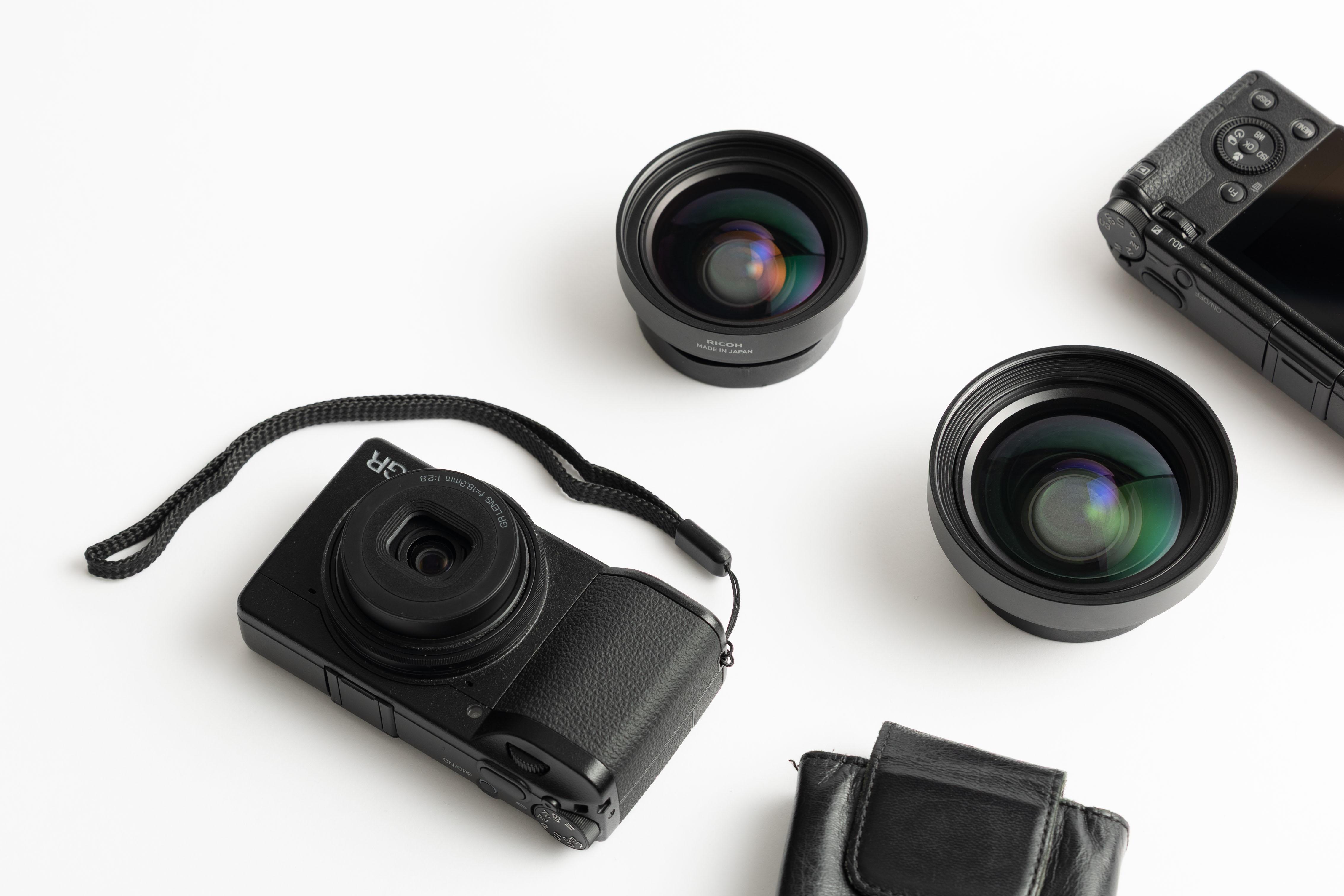
Flatlay of two Ricoh GR IV’s and extra conversion lenses and accessories
FAQs
When will the Ricoh GR IVx be released?
The Ricoh GR IVx is expected in winter 2026, but may be later depending on supply chain constraints.
How much will the Ricoh GR IVx cost?
When the GR IIIx launched, it was £100 more expensive than the GR III. I’d guess that Ricoh will keep to this trend, which means the Ricoh GR IVx launch price could be around £1,300.
What lens does the Ricoh GR IVx have?
The Ricoh GR IVx has a 26.1mm f/2.8 lens, which is a 40mm full-frame equivalent.
Read more camera gear guides on the MPB content hub.
You can sell or trade your camera kit to MPB. Get a free instant quote, free insured shipping to MPB, and get paid within days.